


Latest News — Page 103

Alzheimer's Disease
ICER Report on Lecanemab: Efficacy, Cost, and Equity Concerns for Alzheimer’s Treatment
The Institute for Clinical and Economic Review has released a report on lecanemab, an anti-amyloid monoclonal antibody approved by the FDA for the treatment of Alzheimer’s disease. The report found that while lecanemab showed a statistically significant 27% slowing of cognitive decline compared to placebo, there are concerns about the potential harm from amyloid-related imaging abnormalities. The report also found that lecanemab’s annual price of $26,500 exceeds commonly used cost-effectiveness thresholds, and recommended efforts to achieve affordability and access. The […]

Europe
Update on the HTA Coordination Group subgroup meetings held on April 25 and 26
Update on the HTA Coordination Group subgroup meetings held on April 25 and 26. Their collective efforts will surely shape the HTA landscape in the long run.
Middle East And North Africa
New Preferred Characteristics for Monoclonal Antibodies in Malaria Prevention
Passive immunization through monoclonal antibodies (mAbs) could potentially provide immediate protection against malaria. To guide the development of urgently needed health products, WHO has published preferred product characteristics (PPCs) for mAbs in malaria prevention. These PPCs aim to reduce morbidity and mortality in infants and children due to Plasmodium falciparum, and highlight the preferred characteristics and clinical development considerations for mAbs in this area. This is an exciting development alongside the development of new malaria vaccines and chemoprevention drugs.

Diseases
Tezepelumab as an Add-on Maintenance Treatment for Severe Asthma: Recommendations and Clinical/Economic Impact.
Tezepelumab as an add-on maintenance treatment is recommended as an option for severe asthma in people 12 years and over, when treatment with high-dose inhaled corticosteroids plus another maintenance treatment has failed. It is recommended only if people: Have had 3 or more exacerbations in the previous year, or Are having maintenance oral corticosteroids. Tezepelumab should be discontinued if the rate of severe asthma exacerbations, or the maintenance oral corticosteroid dose, have not been reduced by at least 50% at […]

Diseases
Clinical evidence shows that AposHealth (an FDA-cleared medical device) improves pain, stiffness, and function in people with knee osteoarthritis.
However, it’s uncertain if these improvements are clinically meaningful. The analyses suggest that AposHealth is cost saving by £1,958 per person when compared with standard care if knee surgery is delayed for 5 years. Because the evidence for the potential cost savings is limited, further data collection is recommended to understand if cost savings are made once AposHealth is used in the NHS.

Europe
Quantitative Benefit-Risk Assessment in Medical Product Decision Making: A Good Practices Report of an ISPOR Task Force
Benefit-risk assessment is a crucial step in evaluating the safety and efficacy of medical products. Quantitative benefit-risk assessment (qBRA) is a set of techniques that can help drug and medical device developers and regulators to evaluate the benefit-risk balance of medical products. This report outlines five main steps for developing qBRAs. The first step is to identify the research question and specify the role of external experts. The second step involves developing a formal analysis model by selecting benefit and […]

Health Insurance And Reimbursement Policies
Zambia’s National Health Insurance Making Progress Towards Strategic Purchasing of Quality Care
Chronic Heart Failure
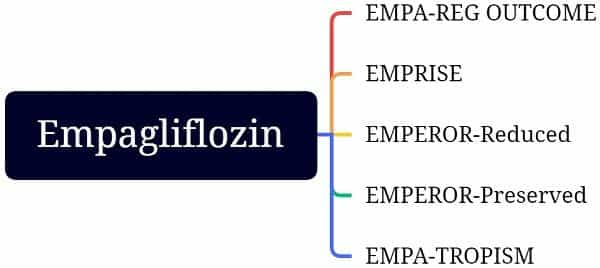
Chronic Heart Failure: PBAC Recommends Empagliflozin
Introduction: The Pharmaceutical Benefits Scheme (PBS) included Empagliflozin, a sodium glucose co transporter 2 (SGLT2) inhibitor, for chronic heart failure (CHF) treatment with reduced ejection fraction (LVEF ≤40%) starting April 1, 2022. Yet, the Pharmaceutical Benefits Advisory Committee (PBAC) decided in November 2022 not to endorse Empagliflozin for treating CHF in patients with a left ventricular ejection fraction over 40%. They based their decision on the high unmet clinical need and the economic model’s failure to capture the disease’s progressive […]

Europe
Iberian Healthcare Collaboration: Spain & Portugal Unite for Health Technology Assessments!
Iberian Healthcare Collaboration: Spain & Portugal Unite for Health Technology Assessments!
Europe
Global Pull Incentive Needed to Future-Proof Antibiotic Innovation, Says OHE Report
A new report highlights the pervasive market failure in the antibiotics space and proposes a globally aligned, value-based, fully-delinked pull incentive to future-proof antibiotic innovation. The mechanism would involve payers paying manufacturers a pre-specified subscription fee, based on the value of the antibiotic, over a pre-specified period, regardless of the volume of antibiotics used. The report suggests that the size of a global pull incentive should be calculated by aggregating revenue from all countries where the product is sold, with […]

Healthcare Access
Medscheme released updated MEDICINE EXCLUSION LIST APRIL 2023
Some items listed as REQUIRING PRE-AUTHORISATION: Forxiga (Dapagliflozin) Byetta (Exenatide) Janumet (Metformin/Sitagliptin) Onglyza (Saxagliptin) Januvia (Sitagliptin) Galvus (Vildagliptin) + including Metformin combinations Liptruzet (Atorvastatin/Ezetimibe) Ezetrol (Ezetimibe) Inegy(Ezetimibe/Simvastatin) Details regarding the EXCLUDED ITEMS: Trulicity (Dulaglutide) Jardiance (Empagliflozin) Xultophy (Insulin Degludec and Liraglutide) Soliqua (Insulin Glargine and Lixisenatide) Victoza (Liraglutide) Synjardy (Metformin and Empagliflozin) Ozempic (Semaglutide)
Diseases
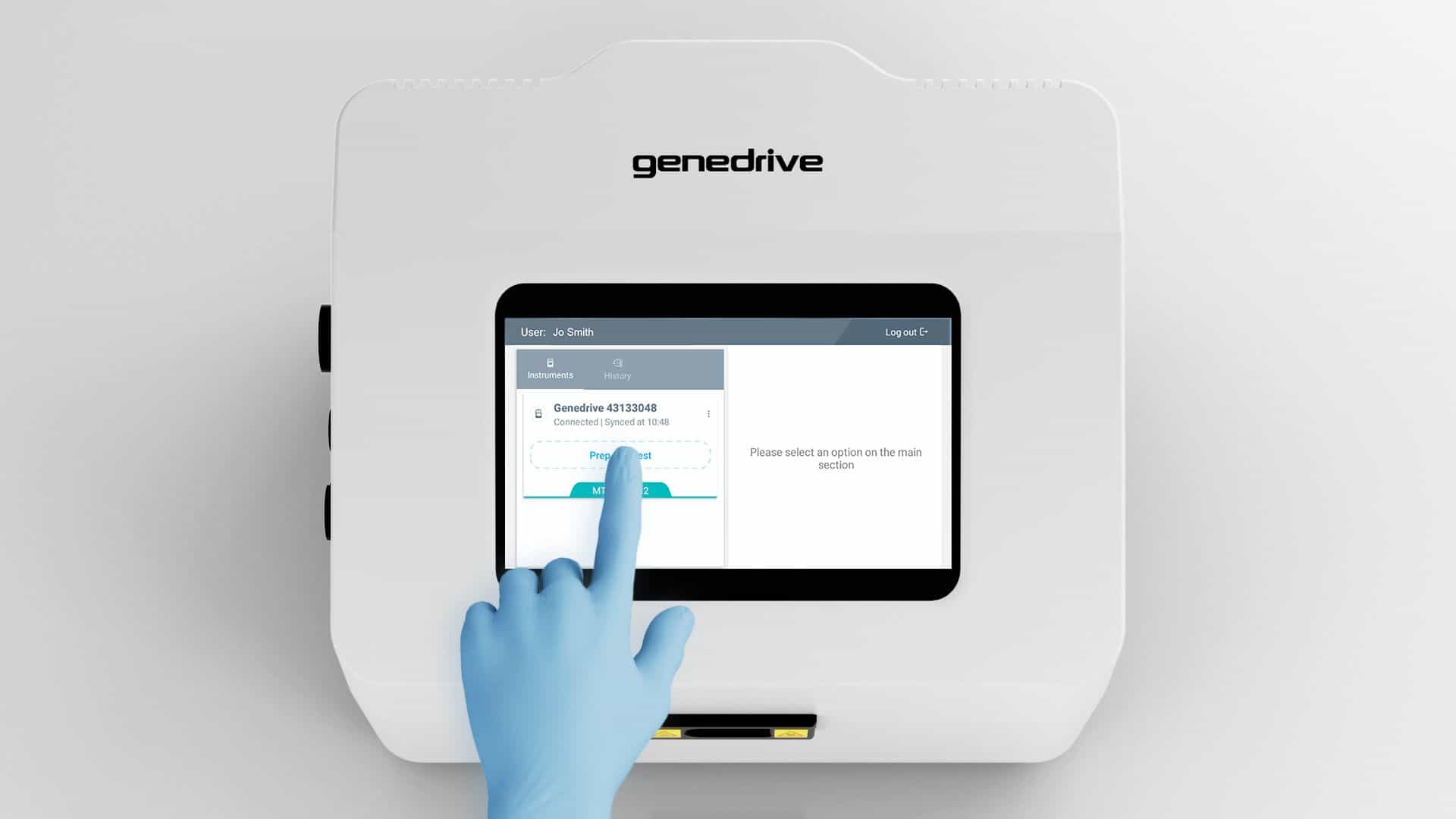
Genedrive MT-RNR1 ID Kit to detect genetic variation and protect hearing in babies: early value appraisal.
The Genedrive MT-RNR1 ID Kit has potential benefits in identifying babies at risk of hearing loss from aminoglycoside due to the MT-RNR1 m.1555A>G variant, allowing for alternative antibiotics to be used instead. However, managing the risk of early access is important, including ensuring timely antibiotics, avoiding unnecessary use of alternative antibiotics, and confirming positive results. The economic evidence suggests cost-effectiveness, but upfront costs may be high. Data should be generated in centers with babies from different ethnicities to promote equality.

Blood Diseases
Abu Dhabi Recognises Abu Dhabi Stem Cells Center (ADSCC) as a Centre of Excellence in Hematopoietic Stem Cell Transplantation
Abu Dhabi Stem Cells Center (ADSCC), a subsidiary of PureHealth, has been named a centre of excellence in Hematopoietic Stem Cell Transplantation by the Department of Health – Abu Dhabi. The centre provides specialised and distinguished programmes with a high level of expertise and multidisciplinary resources, allowing it to conduct advanced medical procedures in specific clinical areas and conducting complex researches to provide the highest levels of care. The centre will provide an integrated and specialised range of surgical and […]

Big Data Analysis
DARWIN EU® is calling for new data partners
DARWIN EU®, a network for data analysis and real-world interrogation, has successfully completed its first year of operation. The network has onboarded ten data partners and initiated four studies using real-world data from across Europe to better understand diseases, populations, and the uses and effects of medicines. DARWIN EU® generates real-world evidence to support the decision-making of EMA scientific committees and national competent authorities in EU Member States throughout regulatory processes. The network plans to onboard ten additional data partners […]
Cardiovascular And Metabolic Diseases
Did CVDs recover post COVID-19 ?
The World Health Organization expressed concern about the disruption of essential health services for chronic disease management due to the COVID-19 pandemic. A study done in Indonesia’s Malang district, showed concerns regarding restrictions on movement and access to health services for patients with chronic conditions, such as those at high risk for cardiovascular disease. However, fears about disruptions to the supply of essential medicines were largely unfounded, as primary health centers and private suppliers had supplies of all cardiovascular medicines […]

Sub Saharan Africa
Boosting local medicine production in Uganda: How import fees are affecting the industry
The study examines the impact of import verification fees on local pharmaceutical production in Uganda. The findings suggest that the policy has been effective in promoting local production, with an 8.2% increase in production capacity observed. The study also highlights the challenges faced by the local industry, including limited access to raw materials, high operating costs, and inadequate quality control equipment. The authors recommend that the government provide necessary support to the local industry, including policies to protect local manufacturers […]