
Dual antiplatelet therapy, a combination of aspirin and clopidogrel, prasugrel or ticagrelor, is recommended for up to 12 months for secondary prevention of ischemic events among people undergoing coronary interventions. However, real-world bleeding among populations exposed to different dual antiplatelet therapy (DAPT) and triple therapy (TT) regimens has not been previously quantified. The economic impact of bleeding events is poorly characterised, particularly for minor bleeding, as is their impact on health-related quality of life.
A retrospective population-based cohort study sheds light on the bleeding risks associated with dual antiplatelet therapy and triple therapy (including an anticoagulant) in patients following coronary interventions.
Findings indicate that the incidence of bleeding was 5% in coronary artery bypass graft patients, 10% in conservatively managed acute coronary syndrome patients, and 9% in emergency percutaneous coronary intervention patients, compared to a significantly higher 18% in those on triple therapy.
Interestingly, dual antiplatelet therapy, compared to aspirin alone, increased the hazards of bleeding and major adverse cardiovascular events in coronary artery bypass grafting and conservatively managed acute coronary syndrome patients.
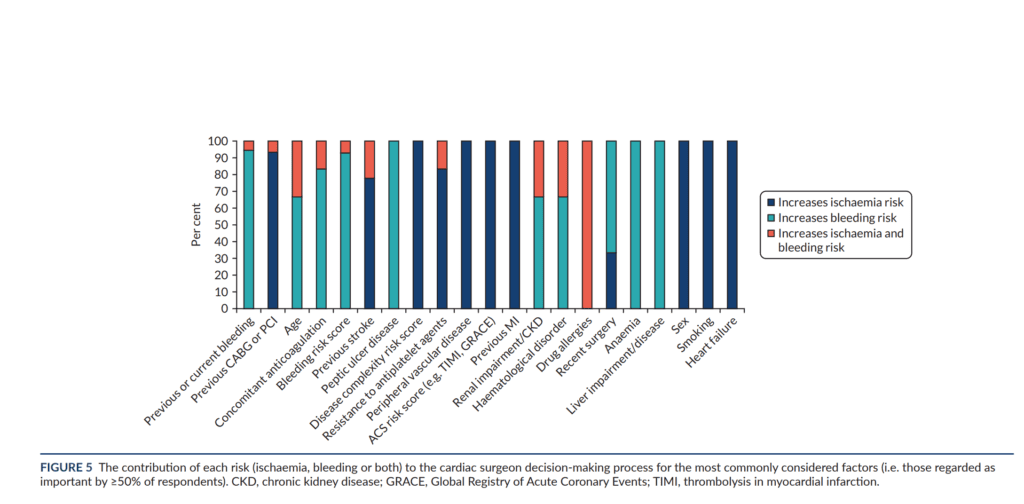
Moreover, among emergency percutaneous coronary intervention patients, dual antiplatelet therapy with ticagrelor (as opposed to clopidogrel) increased bleeding risks, but did not reduce major adverse cardiovascular events.
The study suggests that more potent dual antiplatelet therapy may increase bleeding risk without reducing major adverse cardiovascular events. These findings should be carefully considered by clinicians and decision-makers when recommending dual antiplatelet therapy.
There is still a need for prospective observational studies that provide high-quality data on outcomes and healthcare costs. A formal cost-effectiveness analysis could not be conducted due to the uncertainty surrounding the estimates for bleeding.
Reference url