


Phased Tariffs Reshoring Generic Drugs Boost Domestic Output
July 23, 2026
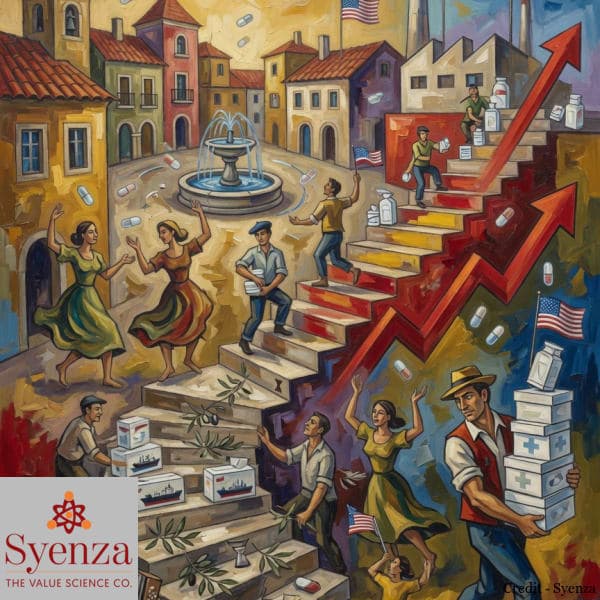
The policy on Phased Tariffs Reshoring of Generic Drugs establishes a time-limited exemption from import duties on unbranded medicines followed by sharp increases intended to compel manufacturers to establish domestic production facilities. This structure preserves existing arrangements for patented therapies while applying escalating financial pressure exclusively to off-patent products after the initial window closes. The approach frames the policy as an extension of prior national-security measures rather than an isolated action.
Tariff Exemption Timeline
The schedule relies on a sequenced application of duties under authorities such as Section 232 to create both an incentive period and subsequent penalties for continued overseas reliance. A two-year interval at zero duty is the period during which firms must commit capital to United States plants, after which rates rise first to 100 percent and then to 200 percent. This graduated mechanism is consistent with similar duty structures already applied to other industrial sectors.
Global Supply Chain Impacts
Approximately 90 percent of prescriptions involve unbranded medicines, with the majority of finished doses and active ingredients originating from India and China. European officials cite an earlier bilateral understanding that maintained zero duties on these products and question whether the new schedule respects that arrangement. Indian exporters face the most direct volume exposure, while analysts note potential effects on supply continuity and input costs should relocation timelines prove difficult to meet.
Domestic Production Challenges
Phased Tariffs Reshoring of Generic Drugs are expected to accelerate investment commitments already observed in response to earlier tariff signals, yet the feasibility of rapid facility construction remains constrained by regulatory, capital, and workforce factors. Any resulting shortfall in imported volume could translate into higher acquisition costs for payers and patients if domestic output does not expand at equivalent scale. Long-term outcomes will hinge on whether negotiated carve-outs for trading partners emerge and whether actual production shifts materialize before the punitive rates take effect. This approach also aligns with broader efforts to reduce reliance on overseas sources and tariff impact on generic drugs while supporting supply chain resilience in Europe’s off-patent medicines sector.
Let Google know we are your trusted source.
Add our editorial as a preferred source in your search results.


Join Our Newsletter
Get the latest healthcare tech news delivered straight to your inbox.