


Advancing Supply Chain Resilience in Europe’s Off-Patent Medicines Sector
April 28, 2026
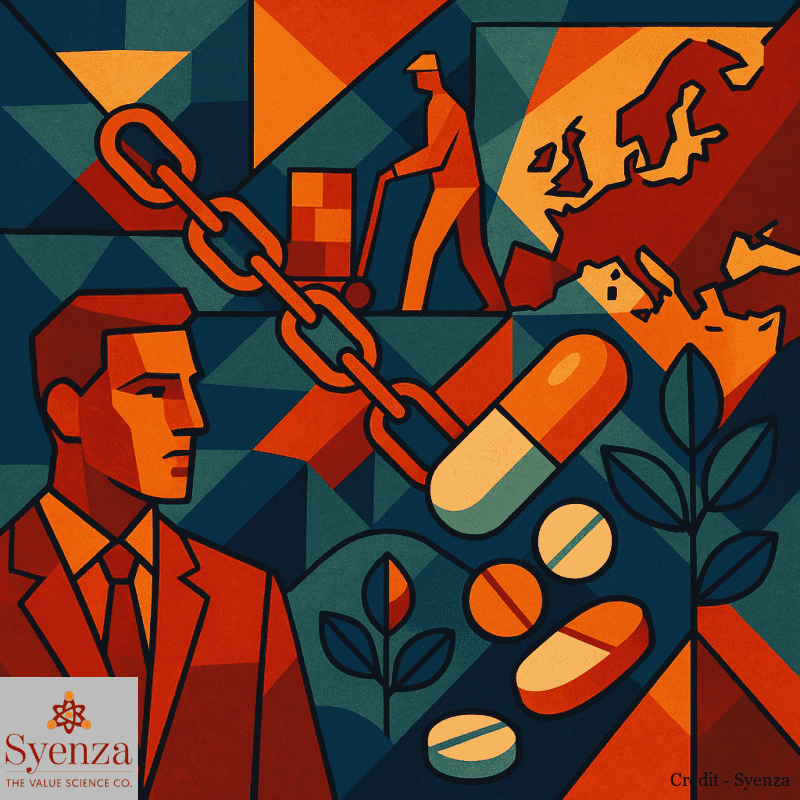
In an interview with Adrian van den Hoven, Director General of Medicines for Europe, meaningful progress made in 2025 is highlighted, including the political agreement on the new EU pharmaceutical package and the advancement of the proposed Critical Medicines Act. These initiatives aim to simplify regulation, accelerate patient access, and bolster supply chain resilience while balancing environmental, industrial, and economic objectives.
Environmental Rules vs Medicines Availability
A central tension exists between ambitious environmental legislation and the practical realities of producing low-margin essential medicines. The sector is already investing heavily in greener manufacturing, renewable energy, emissions reduction, and wastewater treatment. However, measures such as the Urban Wastewater Treatment Directive could impose disproportionate costs for removing micropollutants, potentially leading to product withdrawals, reduced supplier diversity, and increased shortage risks.
Why Current Pricing Models Threaten Supply Security
Europe’s reference pricing, reimbursement controls, and single-winner tenders have lowered costs but now jeopardise long-term supply of critical medicines such as antibiotics and oncology generics. Rising energy, logistics, and raw material costs are difficult to absorb under rigid pricing systems. Several countries have begun adjusting reimbursement to reflect real production complexity, while the proposed Critical Medicines Act seeks to move beyond pure lowest-cost logic by incorporating security of supply and supplier diversity into procurement decisions.
The Critical Medicines Act as a Resilience Tool
The Critical Medicines Act represents an important shift toward treating medicines security as a genuine European responsibility. It aims to reduce fragmentation caused by divergent national stockpiling rules and to support active pharmaceutical ingredient (API) production across all member states. By aligning with broader industrial policy and learning from incentives offered by China, India, and the United States, the Act can help prevent over-concentration of manufacturing capacity and strengthen supply chain resilience Union-wide.
Capitalising on Europe’s Biosimilars Leadership and Value-Added Medicines
With a major wave of biologic patent expiries approaching, Europe is well positioned to leverage its global leadership in biosimilar regulation. Recent moves by the EMA toward more tailored clinical pathways are welcomed, yet regulatory progress must be matched by faster uptake and removal of unnecessary prescribing barriers.
At the same time, repurposed and patient-centred medicines offer an efficient route to better adherence, tolerability, and real-world outcomes without the expense of entirely new drugs. New regulatory incentives for data protection and streamlined authorisation pathways, alongside collaborative platforms such as REMEDi4ALL, can accelerate development in paediatrics and women’s health where current dosing and reimbursement models fall short.
Geopolitical Risks, Open Trade and the Road to 2027
Tariffs, inflation, and disrupted shipping routes have made supply chain pressures structural rather than temporary. Europe’s role as a major supplier of hospital medicines and antibiotics to the United States underlines the mutual interest in keeping medicines outside trade disputes. Open trade agreements and investment in flexible, digitally enabled manufacturing are vital to maintaining supply chain resilience during future emergencies.
By 2027, success will depend on reconciling environmental goals with uninterrupted access to essential therapies. The modernisation of EU regulation, expansion of the Bolar exemption, and strategic direction provided by the Critical Medicines Act offer a strong foundation. When combined with evidence-based pricing flexibility, smarter procurement, and targeted incentives, Europe can convert its scientific and industrial strengths into lasting competitiveness, improved patient access, and robust supply chain resilience.
Reference
https://pharmaboardroom.com/interviews/adrian-van-den-hoven-director-general-medicines-for-europe/Let Google know we are your trusted source.
Add our editorial as a preferred source in your search results.


Value Science Weekly
The week in health technology assessment, market access and health economics — what moved, and what it means.