


100% Tariffs Impacting Pharmaceutical Manufacturing and National Security
April 3, 2026
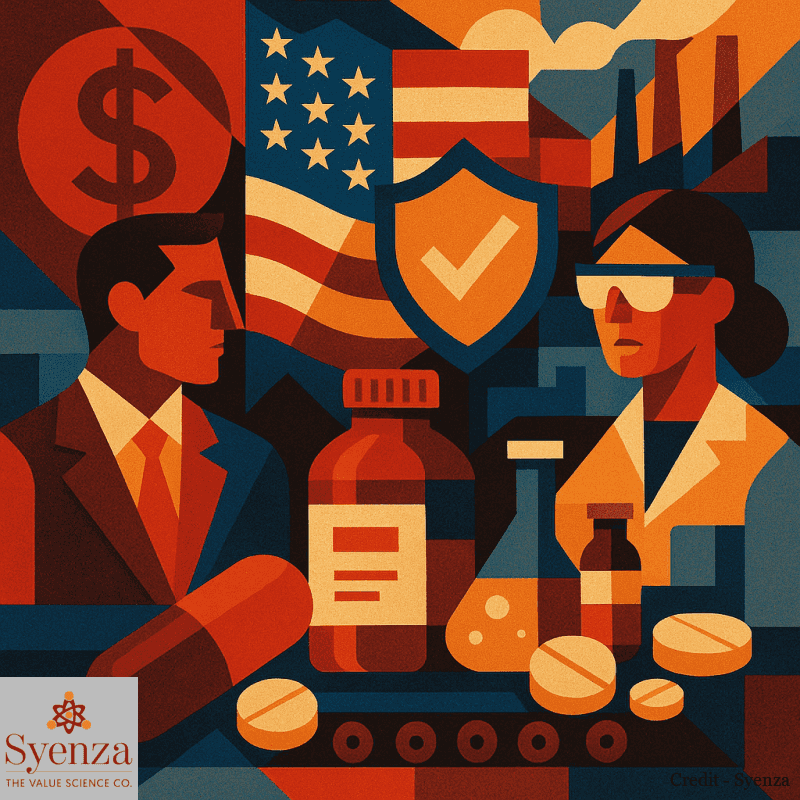
President Donald J. Trump has imposed tariffs on patented pharmaceutical products and their ingredients, using tariffs pharmaceutical manufacturing policy to protect national security and strengthen U.S. supply chains. The move applies a baseline 100% tariff on patented pharmaceuticals, with lower rates for select allies and full exemptions for generics, biosimilars, orphan drugs, and critical public-health products.
Strategic Tariff Relief Rewards Onshoring
Companies that commit to domestic production and sign onshoring agreements with the Department of Commerce can slash their tariff burden dramatically. Firms that also enter Most Favored Nation pricing agreements with HHS qualify for 0% tariffs through January 2029, while those with only onshoring deals pay 20%. This incentive structure has already triggered roughly $400 billion in announced investments in U.S. pharmaceutical facilities.
National Security Drives the Section 232 Investigation
The tariffs stem from a formal Section 232 investigation that concluded imported patented drugs and active pharmaceutical ingredients threaten national security. Despite America’s leadership in pharmaceutical innovation, heavy dependence on foreign manufacturing leaves the country vulnerable to supply disruptions during emergencies.

New Cost Dynamics Reshape HEOR and Market Access
From a Health Economics and Outcomes Research perspective, the policy creates fresh pricing, reimbursement, and market-access considerations. Linking tariff relief to MFN pricing directly ties trade policy to drug reimbursement, while onshoring commitments may raise short-term costs but improve long-term supply reliability and reduce geopolitical risk.
Global Supply Chains Face Major Realignment
The exemption of generics and biosimilars, combined with a one-year policy review, suggests price-sensitive segments will see limited immediate disruption. Patented products, however, face the strongest pressure to relocate production. Over time, these measures are expected to reshape global supply chains and influence how manufacturers demonstrate value.
Let Google know we are your trusted source.
Add our editorial as a preferred source in your search results.



Value Science Weekly
The week in health technology assessment, market access and health economics — what moved, and what it means.