


Global Growth and Challenges in Pharmacy Vaccination Training
May 13, 2026
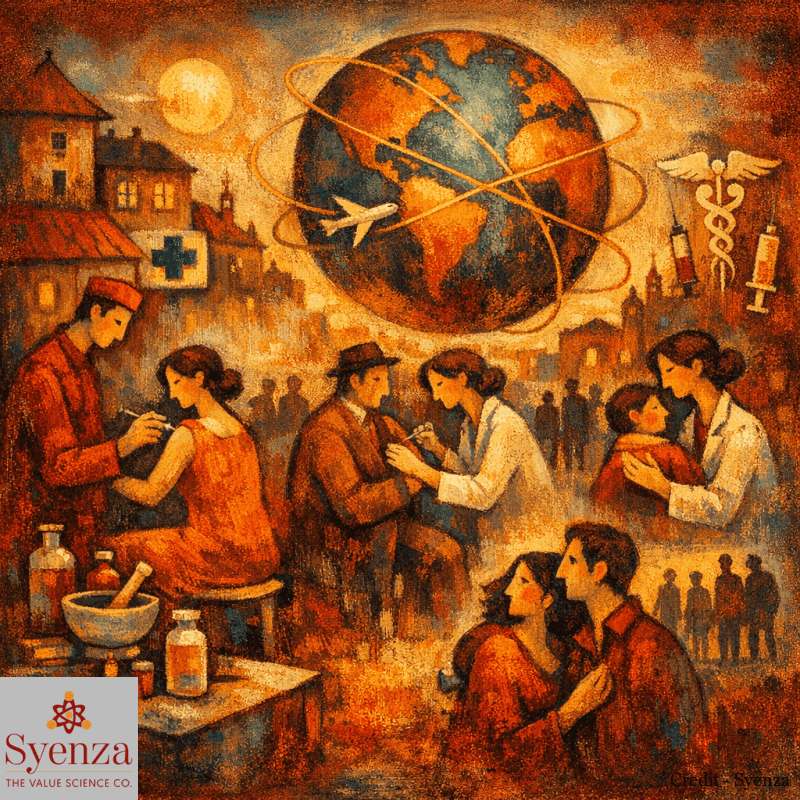
Pharmacy Vaccination Training has expanded rapidly worldwide, with the number of countries offering pharmacist vaccination programs rising from 12 in 2016 to 64 by 2024. This 433 percent growth means training is now available in every nation where pharmacists may administer vaccines, including pre-registration courses in 19 countries and post-registration programs in 41 countries. By 2025, pharmacy-based vaccination services operated across 56 countries and territories for vaccines such as influenza, COVID-19, tetanus-diphtheria-pertussis, and hepatitis B.
Worldwide Surge in Pharmacist Immunization Programs
These developments position pharmacists as accessible providers who can improve uptake, particularly among populations with historically low coverage. The Portuguese version of the international FIP report, prepared by AFPLP, highlights how community pharmacies leverage extended hours and existing infrastructure to boost national immunization rates.
Overcoming Persistent Training Barriers
Persistent gaps in pre-registration curricula leave many graduates without practical injection skills or competence in adverse-event management. Post-registration continuing professional development opportunities remain fragmented, brief, and costly, with more than 70 percent of Ethiopian pharmacists citing time and expense as primary obstacles. Regulatory restrictions, inconsistent certification pathways, and limited cold-chain infrastructure further constrain participation and limit the scalability of Pharmacy Vaccination Training.
Strategic Benefits for Healthcare Systems
Expanded pharmacist vaccination training supports broader health-system goals of improving coverage at lower marginal cost. Successful integration of training into pre- and post-registration curricula, combined with interprofessional education and digital immunization information systems, can reduce missed opportunities and duplicate vaccinations. Regulatory reforms that align certification with reimbursement mechanisms will be essential to sustain pharmacist participation and realize efficiency gains in vaccine delivery.
Let Google know we are your trusted source.
Add our editorial as a preferred source in your search results.




Value Science Weekly
The week in health technology assessment, market access and health economics — what moved, and what it means.