


Most favored nation drug pricing: why US patient groups push back
October 16, 2026
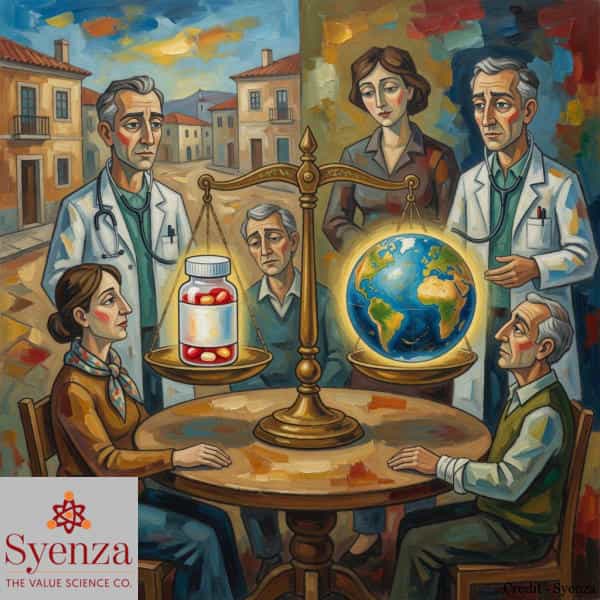
The National Health Council (NHC) has spoken out against most favored nation drug pricing, arguing that importing foreign price controls will not serve American patients.
Why most favored nation drug pricing falls short
NHC CEO Randall “Randy” Rutta says foreign health systems “function entirely differently” from the US. He points to quality-adjusted life years (QALYs), which he calls a discriminatory metric because it devalues patient lives. He also warns that tariffs disrupt the supply of medicines that patients rely on every day. The NHC, which has nearly 200 member organisations, works with patient groups on Medicare drug price negotiation so that patients can make input before decisions are made.
Rutta argues that policy should judge a medicine across a patient’s whole life, not by 12-month savings. Biopharmaceutical innovation has held at roughly 9 to 11 percent of total US healthcare expenditure for decades. He says the remaining 90 percent of spending deserves the same scrutiny.

Why it matters
For HTA and market access teams, Rutta’s objection to QALYs is a reminder that the metric is contested in US pricing policy, not only in Europe. Any reference pricing reform that borrows foreign methods will have to show how it accounts for patient outcomes over a lifetime. The wider MFN pricing debate is where that test will play out.
Source: PharmaBoardroom interview with Randall “Randy” Rutta, CEO, National Health Council
Let Google know we are your trusted source.
Add our editorial as a preferred source in your search results.




Value Science Weekly
The week in health technology assessment, market access and health economics — what moved, and what it means.