


Health Security in Europe: Why Resilience Starts Before a Crisis
October 13, 2026
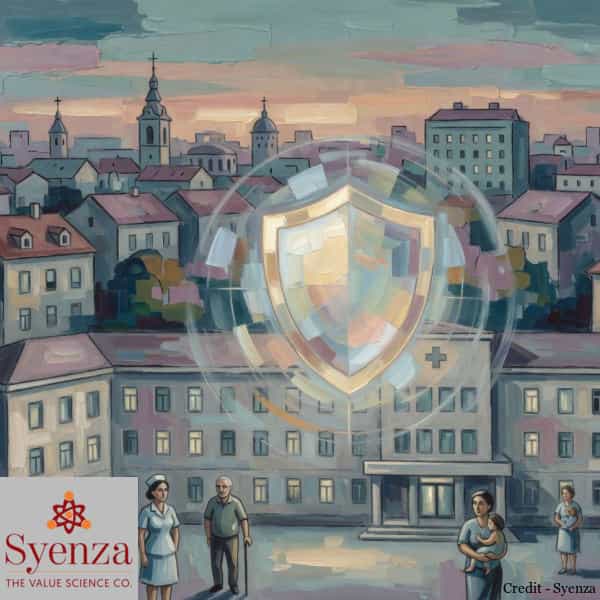
Health security in Europe has moved beyond pandemic preparedness. In an EFPIA View blog post, the authors note that the concept is still understood differently across the continent. Western and Southern countries tend to link it to future pandemics and emergencies. In Eastern Europe, Russia’s war against Ukraine has pushed it toward national security and societal resilience.
Health security in Europe depends on funded health systems
The article’s central claim is that resilient health systems have to exist before a crisis starts. Latvia is the example: one of the EU’s lowest healthcare spenders, it recorded one of Europe’s highest COVID-19 mortality rates in the autumn 2021 wave, despite substantial emergency funding. Access to medicines falls under the same logic. Keeping people with chronic diseases stable reduces avoidable hospital demand when a crisis hits.
Coordination is the weak point the authors flag. Patient groups, pharmacies, wholesalers and manufacturers are rarely built into preparedness plans, so questions such as who communicates with patients during a medicine shortage get answered during the emergency itself. The article also quotes Karl Blanchet: “Resilience is not self-sufficiency.” The EU’s HERA and the proposed Critical Medicines Act are cited as steps in the right direction.

Why it matters
If health security is treated only as emergency response, budgets flow to the response. If it is treated as resilience, reimbursement, medicines access and R&D incentives become part of the same question. For market access teams, the argument shifts the test from what an emergency costs to whether continuity of care is funded before one arrives.
Source: EFPIA View, “Why Europe needs to rethink health security?”
Let Google know we are your trusted source.
Add our editorial as a preferred source in your search results.



Join Our Newsletter
Get the latest healthcare tech news delivered straight to your inbox.