


Health Economic Security as a Pillar for Growth in Central and Eastern Europe
June 12, 2026
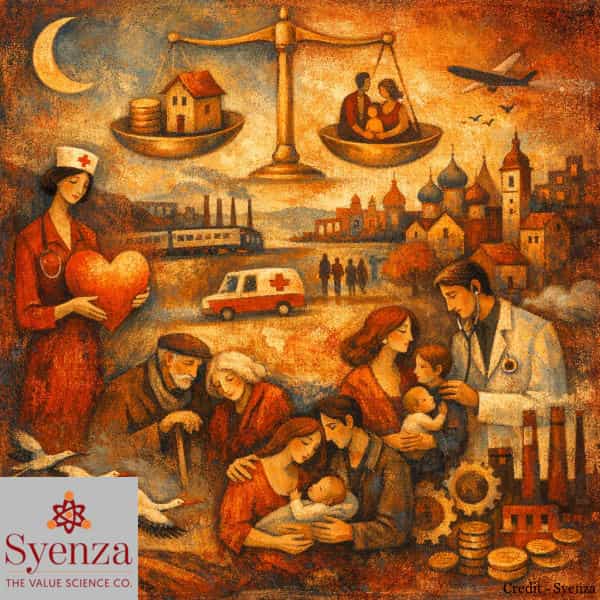
Central and Eastern European nations face intensifying demographic pressures, including rapid population aging, shrinking workforces, and heightened security risks that endanger long-term prosperity. In a recent EFPIA statement, health economic security is seen as essential, as targeted healthcare investment can deliver up to four times the initial outlay through higher employment, reduced absenteeism, and stronger fiscal resilience.
Public health spending in the region averaged just 5.47% of GDP in 2023, well below the EU average of 7.3%. Citizens live four to six years less than their Western European counterparts, while the working-age population is forecast to contract by 20%, or 12.9 million people, by 2050. These trends are not abstract; they translate into later-stage diagnoses, heavier treatment burdens, and prolonged workforce absences that inflate both healthcare costs and lost tax revenue.
Why Current Spending Undermines Stability
Delayed access to modern diagnostics and therapies creates a vicious cycle. Only 31% of medicines approved by the European Medicines Agency reach patients in CEE countries, compared with 76% in the EU4 nations (France, Germany, Italy, Spain). Patients wait an additional seven months on average before reimbursement begins. Administrative complexity, rigid budget caps, and protracted health technology assessments all limit the clinical and economic value these innovations could deliver.

Countries that have prioritised prevention, early detection, and robust primary care—such as Czechia, Slovenia, and Croatia—consistently record healthier populations and stronger system performance. Yet fragmented data systems, healthcare workforce shortages, and geographic inequities continue to drive up costs and leave rural communities behind.
Rethinking Value in Health Policy
These realities demand a broader understanding of health economic security. Short-term cost-containment logic fails to capture the long-term gains from reduced hospitalisations, lower disease burden, and higher workforce participation. Policymakers should therefore adopt multi-year, outcomes-based financing models that align incentives with measurable patient and economic returns rather than annual siloed budgets.
Practical Steps Toward Sustainable Systems
Health technology assessment processes must evolve to incorporate EU Joint Clinical Assessment findings while creating faster, evidence-based pathways for therapies addressing clear unmet needs. Strengthening interoperable patient registries and linking them to the European Health Data Space and European Reference Networks will provide the real-world evidence needed for smarter decisions.
Simultaneous investment in workforce retention, equitable distribution of professionals, and targeted training is equally vital. Above all, meaningful patient involvement—rooted in participatory rights—must become standard practice in pricing, reimbursement, and HTA decisions so that policies reflect outcomes that matter to people and economies alike.
By treating healthcare as a strategic investment rather than a cost, Central and Eastern Europe can convert demographic vulnerability into renewed competitiveness and fiscal strength. The evidence is clear: health economic security is not a luxury—it is the foundation on which resilient societies are built.
Let Google know we are your trusted source.
Add our editorial as a preferred source in your search results.




Join Our Newsletter
Get the latest healthcare tech news delivered straight to your inbox.