


The Power of Prevention: The Untapped Potential of Adult Immunisation Programmes
January 1, 2024

The Unseen Value of Adult Immunisation
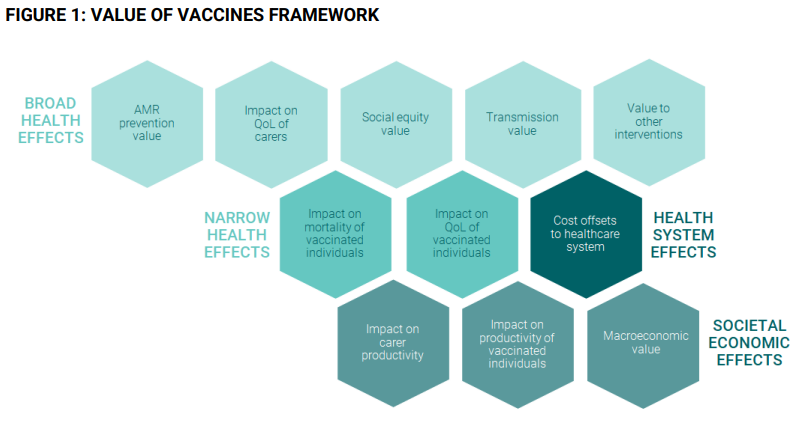
Adult immunisation programmes are often overlooked. But these are critical to addressing key health and societal challenges. A detailed review by the Office of Health Economics (OHE) of these programmes has recently been conducted. Focusing on diseases such as seasonal influenza, pneumococcal disease, herpes zoster, and respiratory syncytial virus, reveals their crucial role in global health. The benefits of these programmes extend beyond health, impacting social care systems and aligning with global agendas such as the UN Sustainable Development Goals (SDGs) and the WHO Immunisation Agenda 2030 (IA2030). However, the full value of such programmes is often underestimated due to underrepresentation in academic literature, leading to suboptimal investment decisions.
The Rising Burden of Infectious Diseases and Ageing Populations
The world is witnessing significant demographic shifts, with ageing populations becoming a dominant trend. Infectious diseases like shingles and pneumococcal disease pose severe threats to older adults, leading to substantial hospitalisation burdens. Alongside this, the ‘tripledemic’ of COVID-19, seasonal influenza, and RSV, coupled with rising rates of chronic diseases among younger age groups, is exerting immense pressure on healthcare systems. This necessitates a shift from treatment to prevention, with vaccination standing as a fundamental preventive measure.
The Economic and Health Benefits of Adult Immunisation
Adult immunisation programmes are not just health measures, but also economically beneficial strategies. They are cost-effective and can result in net cost savings for healthcare systems. Recent studies in Australia and Germany underline that these programmes offer financial gains by averting hospital inpatient and emergency care. Expanding adult immunisation programmes and coverage can lead to substantial productivity gains and economic benefits for society. Moreover, these programmes can contribute to health and economic equity within countries, benefiting vulnerable and underserved communities.

The Urgent Need for Further Research and Adoption of a Preventive Mindset
Despite the clear benefits, significant gaps exist in evidence regarding the broader elements of the value of immunisation programmes. This calls for urgent research to prioritise and enhance adult immunisation programmes for the benefit of society and public health. It is vital for policy- and decision-makers to adopt a prevention-first mindset and implement robust adult immunisation programmes that are proven cost-effective. Expanding the evidence base for the broader value of adult immunisation is a crucial step towards optimising the value of these programmes.
Conclusion: The Power of Prevention
Adult immunisation programmes are powerful tools in the fight against infectious diseases and the burden they place on healthcare systems. They are cost-effective, promote health equity, and align with global health goals. However, their full potential remains untapped, largely due to underrepresentation in academic literature and a lack of awareness among decision-makers. It’s time to shift our focus from treatment to prevention and recognise the immense value that adult immunisation programmes bring to society.
Reference
https://www.ohe.org/publications/the-socio-economic-value-of-adult-immunisation-programmes/Let Google know we are your trusted source.
Add our editorial as a preferred source in your search results.




Value Science Weekly
The week in health technology assessment, market access and health economics — what moved, and what it means.