

Table integrated robotic surgery gains FDA De Novo authorization
July 24, 2026
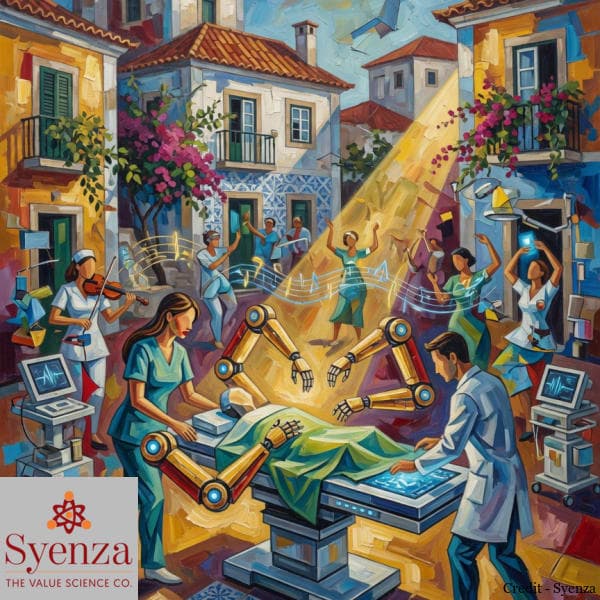
Table integrated robotic surgery achieves a landmark advancement through the FDA De Novo authorization that establishes OTTAVA as the initial table-integrated platform for soft tissue procedures, clearing it for ten specified general surgery interventions in the upper abdomen. This clearance centers on an architecture that merges robotic arms with the operating table to support automated positioning and multi-quadrant access. The resulting configuration is presented as a means to increase operating room throughput while linking surgical activity to a secure digital environment for ongoing performance tracking.
Coordinated System Architecture
Authorization rests on a purpose-built system architecture that coordinates four table-mounted arms through software-defined procedural poses and synchronized table-arm motion. Instrumentation draws on prior open and laparoscopic experience to incorporate dual-function tools that reduce specific mechanical risks during suturing and dissection. Connectivity to an open digital platform supplies structured data capture intended to inform iterative refinement of surgical workflows.
Compact Design and Workflow Gains
Table integrated robotic surgery occupies 30 to 50 percent less floor space than conventional boom- or cart-based configurations, thereby expanding physical room for personnel movement during cases. Automated setup sequences and twin-motion capability limit the need for intraoperative repositioning, while the Polyphonic digital layer aggregates case media and performance metrics for post-procedure review. Educational programming developed with clinical and society partners supplies standardized training pathways intended to support consistent adoption across new and experienced users.

Value in Health Economics
For health economics and outcomes research, the emphasis on reduced physical footprint and automated workflow elements supplies measurable inputs for modeling operating room utilization and staffing costs. Integration with a digital ecosystem creates a mechanism for collecting real-world procedural data that can support future value dossiers and outcomes tracking. Market access strategies may therefore incorporate evidence of expanded case capacity and streamlined setup as differentiators when negotiating coverage or capital acquisition agreements.
Let Google know we are your trusted source.
Add our editorial as a preferred source in your search results.



Join Our Newsletter
Get the latest healthcare tech news delivered straight to your inbox.