


Rising Trends in Early-Onset Colorectal Cancer Burden
June 18, 2026
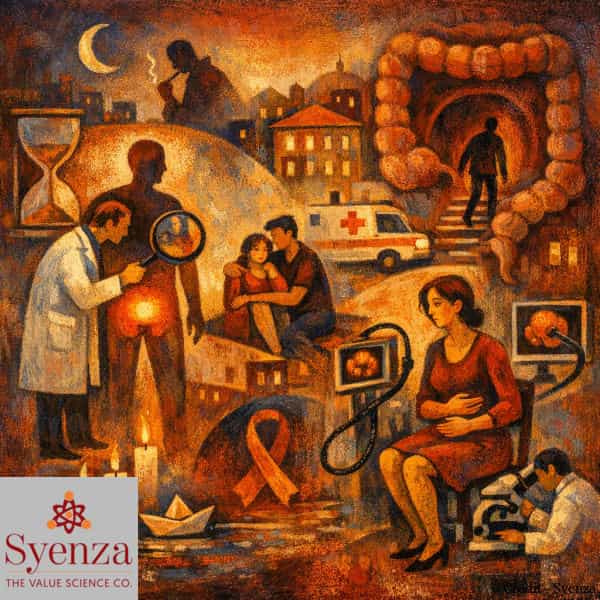
Early-onset colorectal cancer is rising sharply among adults under 50, even as overall colorectal cancer incidence and mortality have declined through improved prevention and treatment. Contemporary adults aged 30 to 40 now face higher risks at younger ages than their grandparents did, with the disease becoming the leading cause of cancer death in men and women younger than 50 combined.
Defying Conventional Risk Profiles
Most diagnoses occur in individuals who maintain healthy lifestyles and lack family history or known genetic syndromes. Traditional hereditary explanations therefore cannot account for the breadth of this increase.
Environmental and Microbial Clues
Expert dialogues hosted by JAMA connect decades of epidemiological data with emerging hypotheses around ultraprocessed foods, microplastics, and shifts in the gut microbiome. These conversations clarify why conventional risk models fall short while underscoring priorities for deeper causal research.

Updated guidelines now recommend screening at age 45, yet many early-onset colorectal cancer cases still appear at even younger ages where broad colonoscopy programs remain impractical. Advances in accurate, convenient stool-based tests offer a practical bridge, particularly when paired with greater symptom awareness of warning signs such as rectal bleeding, persistent pain, bowel changes, or unexplained weight loss.
Strategic HEOR Response
Health economics and outcomes research must now quantify the value of expanded early-detection tools and educational campaigns to inform reimbursement and access decisions. Sustained investment in uncovering reversible drivers will prove essential to reversing the trajectory of early-onset colorectal cancer.
Let Google know we are your trusted source.
Add our editorial as a preferred source in your search results.



Value Science Weekly
The week in health technology assessment, market access and health economics — what moved, and what it means.