

PIMART South Africa HIV pharmacists Boost Treatment Access
July 14, 2026
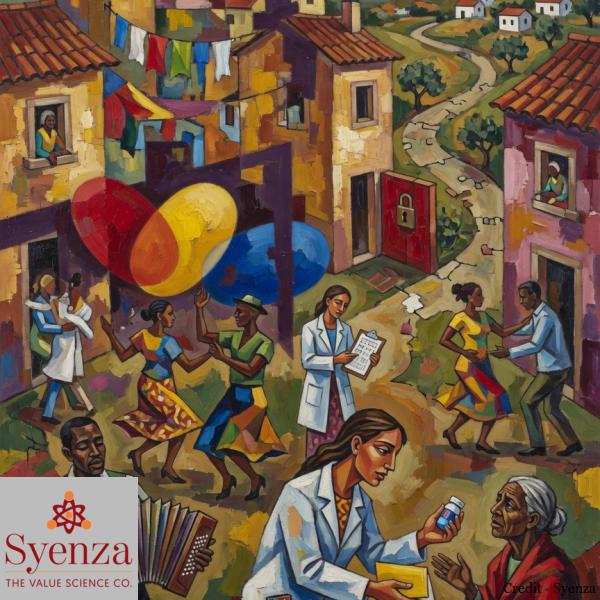
PIMART South Africa HIV pharmacists enable specially trained professionals to initiate antiretroviral therapy and deliver PrEP or PEP services. This approach directly addresses gaps in South Africa’s 95-95-95 HIV targets by expanding access through community pharmacies. Over 5.9 million people receive treatment, yet 1.1 million individuals who know their status remain untreated. Pharmacist-led models can close this gap while reducing pressure on public clinics.
Task-shifting to pharmacies leverages their extended hours and convenient locations. Three interconnected priorities—the pharmacist, the pharmacy, and the people—guide successful rollout. These priorities build on the existing Primary Care Drug Therapy programme and align with the National Strategic Plan for HIV, TB, and STIs (2023–2028).
- Pharmacist readiness: More than 1,000 pharmacists need refresher training from the Southern African HIV Clinicians Society.
- Pharmacy infrastructure: Private consultation areas and reliable commodity supply chains must be secured.
- People-centred access: Reimbursement at R348 per consultation and equity for uninsured patients require clear frameworks.
Background
The Supreme Court of Appeal ruling on 9 October 2025 upheld an earlier High Court decision. It confirmed PIMART under Section 22A(15) permits after a four-year legal challenge. The South African Pharmacy Council, Pharmaceutical Society of South Africa, and Independent Community Pharmacy Association support the programme. It mirrors successful nurse-initiated ART models already operating nationwide.

As of July 2026, limited-scope permits for PrEP and PEP remain pending. Full integration with laboratory services and supply chains is still unresolved.
Implications
PIMART South Africa HIV pharmacists could lower clinic workloads and improve retention through convenient access. Integration with the Centralised Chronic Medicines Dispensing and Distribution programme offers further efficiency gains. Challenges include medical aid reimbursement and equitable coverage for uninsured populations.
FAQ
How does PIMART affect access to HIV services?
It could extend prevention and treatment to underserved areas through extended-hour pharmacies once permits and training pathways are finalised.
What are the main barriers to rollout?
Delays in accreditation, permit approvals, commodity integration, and reimbursement frameworks continue to stall progress as of July 2026.
How might the three Ps improve outcomes?
Prioritising pharmacist support, pharmacy infrastructure, and person-centred design helps address stigma, adherence, and equitable access while aligning with national HIV targets.
References
- Tembo, A. & Johnston, D. (2026, July 8). To make PIMART work we need to plan – we should focus on these three P’s. Spotlight NSP. https://www.spotlightnsp.co.za/2026/07/08/to-make-pimart-work-we-need-to-plan-we-should-focus-on-these-three-ps/
- Spotlight NSP (2026, June 2). Why pharmacists still can’t prescribe ARVs, months after court gave the green light. https://www.spotlightnsp.co.za/2026/06/02/why-pharmacists-still-cant-prescribe-arvs-months-after-court-gave-the-green-light/
- South African Pharmacy Council (2025, October 13). Media Statement: Expanded access to HIV and AIDS treatment now a reality after the Supreme Court of Appeal dismisses appeal seeking to stop PIMART. https://www.sapc.za.org
Let Google know we are your trusted source.
Add our editorial as a preferred source in your search results.

Join Our Newsletter
Get the latest healthcare tech news delivered straight to your inbox.