


Personalised Fertility Endometriosis Care in the UK
April 1, 2026
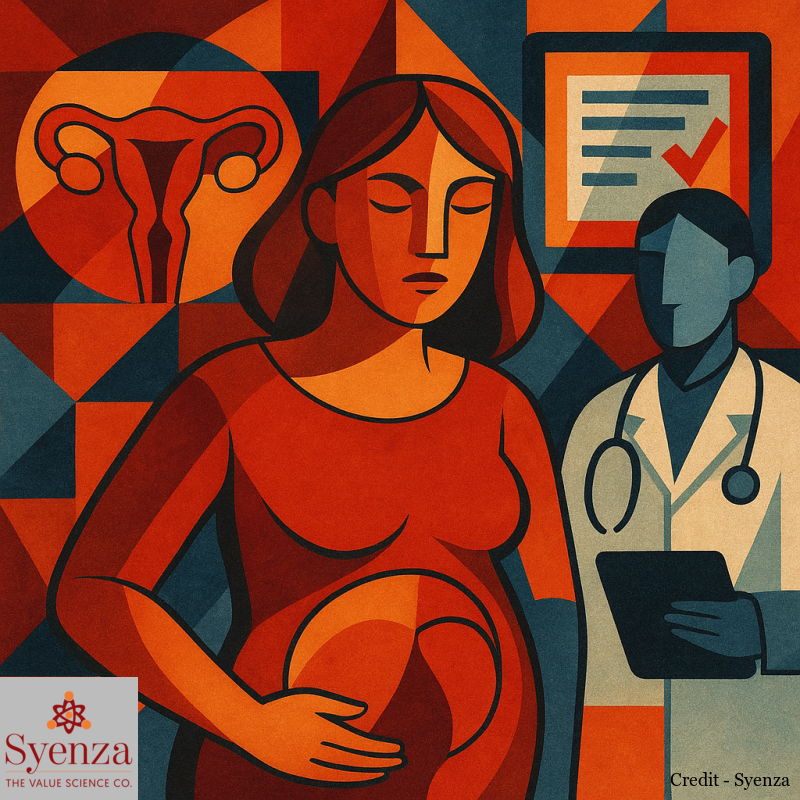
The updated NICE fertility guideline introduces a dedicated section for individuals with endometriosis who are struggling to conceive. This change formally recognises personalised fertility endometriosis as a distinct cause of infertility rather than grouping it under unexplained infertility.
Endometriosis Finally Recognised as a Specific Fertility Barrier
The most significant development is the establishment of a separate clinical pathway for endometriosis-related infertility. Previously, patients with a confirmed diagnosis of endometriosis were often managed under the umbrella of unexplained infertility. Following robust stakeholder input, the NICE committee removed the clinically ambiguous terms “mild” and “severe” endometriosis. The new recommendations provide a clearer framework that supports more consistent and equitable access to fertility services across England.
Personalised Assessment Replaces One-Size-Fits-All Approach
The guideline now emphasises personalised fertility endometriosis discussions that consider duration of infertility, symptom severity, age, ovarian reserve, and male-factor contributions. Clinicians can offer expectant management, surgical intervention in line with existing endometriosis guidance (NG73), or timely progression to intrauterine insemination (IUI) or in-vitro fertilisation (IVF) when appropriate after two years.
Evidence-Based Development Driven by Patient and Clinical Voices
The revised recommendations emerged from a structured consultation process involving patients, Endometriosis UK, clinicians, and professional bodies. This feedback directly shaped the new endometriosis-specific section and the removal of imprecise disease-staging terminology. The guideline aligns with broader NHS objectives of reducing unwarranted variation and promoting shared decision-making.
Strategic Implications for Reproductive Medicine and Market Access
This update is expected to reduce heterogeneity in treatment pathways, enabling more precise real-world evidence on outcomes such as live birth rates and time-to-pregnancy in endometriosis populations. Clearer criteria for progression to IUI and IVF may lead to more consistent funding decisions by integrated care boards and strengthen the value case for therapies that improve ovarian reserve or surgical outcomes before assisted reproduction. The focus on multidisciplinary, patient-centred care also creates opportunities to evaluate the cost-effectiveness of integrated care models.
Let Google know we are your trusted source.
Add our editorial as a preferred source in your search results.




Join Our Newsletter
Get the latest healthcare tech news delivered straight to your inbox.