

Chronic Heart Failure: PBAC Recommends Empagliflozin
April 14, 2023
Introduction:
The Pharmaceutical Benefits Scheme (PBS) included Empagliflozin, a sodium glucose co transporter 2 (SGLT2) inhibitor, for chronic heart failure (CHF) treatment with reduced ejection fraction (LVEF ≤40%) starting April 1, 2022. Yet, the Pharmaceutical Benefits Advisory Committee (PBAC) decided in November 2022 not to endorse Empagliflozin for treating CHF in patients with a left ventricular ejection fraction over 40%. They based their decision on the high unmet clinical need and the economic model’s failure to capture the disease’s progressive nature adequately. A price reduction and risk sharing arrangement were required.
The PBAC has recommended an extension to the current empagliflozin listing on an updated addendum. This extension will include a General Schedule Authority Required (Streamlined) listing. It will be for the treatment of chronic heart failure in patients. These patients have a left ventricular ejection fraction greater than 40%. This recommendation comes after the sponsor addressed the outstanding issues. Also, the cost-effectiveness of the treatment is acceptable at the proposed price.
Empagliflozin’s Efficacy:
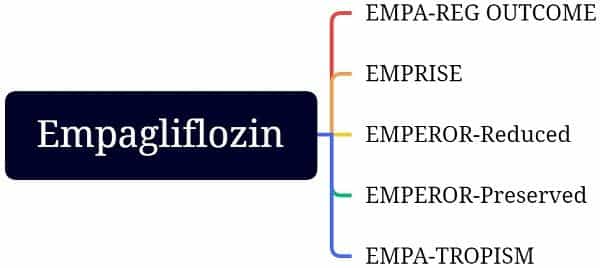
The PBAC observed a significant improvement in efficacy when adding Empagliflozin to standard care for this patient group. They based this observation on the primary composite outcome in EMPEROR-Preserved studies. These studies measured the time to the first cardiovascular death or hospitalisation for heart failure.

Addressing Outstanding Issues:
In conclusion, the sponsor has addressed significant outstanding issues identified in the November 2022 PBAC meeting. This was achieved through a proposed price reduction and risk sharing arrangement. The PBAC’s recommendation for listing was based on its assessment that the cost-effectiveness of Empagliflozin would be acceptable at the revised offer price of 16 December 2022.
Reference
https://lnkd.in/gf-vDM-QLet Google know we are your trusted source.
Add our editorial as a preferred source in your search results.




Value Science Weekly
The week in health technology assessment, market access and health economics — what moved, and what it means.