


Latest News — Page 92

News
AI Interventions in Climate Change: A Potential Solution for the NHS and Beyond
Introduction Artificial intelligence (AI) is reconfiguring various industries, and its potential impact on healthcare and climate change is gaining attention. The English National Health Service (NHS) aims to provide more efficient care while reducing its climate impact. However, concerns about carbon emissions from AI models have emerged. This article explores the role of AI in climate change debates and emission detection, with a focus on its implications for the NHS and beyond. It will also demonstrate how AI interventions in […]

Artificial Intelligence And Machine Learning
The Future of Clinical Trials: A Shift from Artificial to Augmented to Applied Intelligence
The Present Situation Regarding Clinical Trials Clinical trials, the bedrock of medical advancements, must embrace significant innovation. With global spending on these trials exceeding $50 billion now and predicted to reach over $85 billion by 2030, we must question the value we’re getting from this rapidly growing industry. What is the role of Artificial intelligence (AI) in clinical trials? There are frequently chances to address chronic health disorders that are hampered by the time and costs associated with major trials. […]

Artificial Intelligence And Machine Learning
AI Enhances Global Eye Health Access and Clinical Decision-Making
Introduction Global eye health is a crucial aspect of overall well-being and quality of life, with significant implications for disease reduction, productivity, and education access. While progress has been made through global initiatives, challenges persist. However, the rise of digital health and artificial intelligence (AI) presents innovative opportunities in eye care, particularly in increasing accessibility and aiding clinical decisions with data. To overcome implementation barriers, the establishment of a global digital eye health task force is proposed, which would coordinate […]

Clinical Guidelines And Protocols
Reassessing the Impact of Demographic Representation on Clinical Development Times: Oncology Therapeutics
Introduction New therapies are created and approved all the time in the medical field, therefore it is always changing. But there’s still no clear answer to the age-old problem of demographic representation in oncology in clinical studies. Particularly in oncology, where some cancers disproportionately impact minority populations and the elderly, it is crucial that trial participants reflect the drug’s actual users. With an emphasis on the times of development of oncology medicines, a study aimed to illuminate this matter. The […]

Clinical Guidelines And Protocols
Efgartigimod Alfa Cost Effectiveness Reviewed for Myasthenia Gravis
The Purpose and Pricing of Efgartigimod Alfa Efgartigimod Alfa, a drug designed to ameliorate symptoms of Generalised Myasthenia Gravis (gMG), has been reimbursed since April 2023 in Japan. The drug is priced at JPY 421,455 for Vyvgart® for intravenous infusion 400 mg as of September 2023. Center for Outcomes Research and Economic Evaluation for Health (C2H) calculate the price using a model for the Efgartigimod Alfa Cost-effectiveness. They then add a 5% usefulness premium and a 10% market premium. The […]

Artificial Intelligence And Machine Learning
Importance of Gender and Sex Considerations in AI
Introduction The rapid advancement of artificial intelligence (AI) in healthcare has the potential to significantly inform medical practices and improve patient outcomes. However, the current state of algorithmic-based systems often overlooks important aspects, leading to potential misdiagnosis and discrimination, particularly affecting marginalized communities. A recent research paper highlights the consequences of neglecting gender and sex differences in medical algorithms and emphasizes the need for inclusive AI in healthcare. Therefore, there is an importance of gender and sex considerations in AI. […]

Artificial Intelligence And Machine Learning
Compensating for Digital Health Inequality in the National Health Service of England
The Rise of Digital Health Tools and the Ensuing Inequality The digital age has seen the healthcare sector evolve at an unprecedented pace. Digital health tools have become integral components of modern healthcare, with the potential to significantly improve patient outcomes. However, alongside this promising development, concerns about digital health inequality are growing. These inequalities, often tied to socioeconomic and demographic factors, can hinder access to digital health services for the most vulnerable populations. The Scale of Digital Inequality in […]

Artificial Intelligence And Machine Learning
Access to AI in Medical Education: Innovating and Inclusive
Introduction Artificial intelligence (AI) has become an innovative force in various industries, and its potential in healthcare is no exception. Access to AI in Medical Education is an important area of exploration. In the field of medical education, AI is being explored for its applications in training, learning, simulation, curriculum development, and assessment tools. This article aims to highlight the inclusive nature of AI in medical education, showcasing its potential to transfigure the way we teach and learn. Expanding Possibilities […]

Blood Diseases
The Power of Public Health: A Look at South Africa’s HIV Treatment Programme
South Africa’s HIV Treatment Programme: A Testament to Resilience South Africa’s human immunodeficiency virus (HIV) treatment programme is an outstanding example of a state-run system that functions effectively. This programme, possibly the world’s largest public sector chronic medication initiative for a single disease, has been a lifeline for millions. Nearly 5.8 million of the 7.8 million HIV-positive individuals in South Africa receive antiretroviral treatment, according to the Thembisa HIV model, with the majority obtaining their medication from the public health […]

Clinical Guidelines And Protocols
Addressing the Disparity: Treating Childhood Cancer in Low and Middle-Income Countries
The Stark Reality of Childhood Cancer Treatment in LMICs Every year, the World Health Organisation (WHO) reports an estimated 400,000 children and adolescents aged 0-19 develop cancer. The most common types are leukaemias, brain cancers, lymphomas, and solid tumours, such as neuroblastoma and Wilms tumours. High-income countries (HICs), which house only 20% of the world’s children with cancer, boast cure rates exceeding 80%. In stark contrast, Childhood Cancer Treatment in LMICs only manage a 30% cure rate. The Challenges of […]

Artificial Intelligence And Machine Learning
The First European Commission’s Artificial Intelligence Act
Artificial Intelligence Act European Commission The European Commission has recently announced a ground-breaking political agreement on the Artificial Intelligence Act (AI Act), marking a historic moment in the field of AI. The AI Act, proposed in April 2021, is the first-ever comprehensive legal framework on Artificial Intelligence worldwide and is set to transpose European values to a new era. The Commission’s President, Ursula von der Leyen, highlighted that AI is already transforming our everyday lives and promises enormous benefits to […]

Artificial Intelligence And Machine Learning
AI in Resource-Poor Healthcare Settings: A Beacon of Hope
Artificial Intelligence: A Game Changer in Healthcare The transformative power of Artificial Intelligence (AI) in healthcare is undeniable. Primarily, AI, a facet of computer science that replicates intelligent behaviour, comes in two forms. The first, artificial general intelligence, emulates the human mind. The second, artificial narrow intelligence, excels at a single task. Most AI applications in healthcare belong to the latter category. AI can be utilised in numerous ways within healthcare. Expert systems, for example, can solve specific problems with […]

Blood Diseases
Pioneering Treatments for Paroxysmal Nocturnal Hemoglobinuria
Introduction Paroxysmal nocturnal hemoglobinuria (PNH) is a rare, acquired blood disorder. It is characterised by chronic destruction of red blood cells and blood clots, primarily manifesting in fatigue and potentially leading to lifelong dependence on blood transfusions. The disease affects 10 to 20 people per million, primarily adults, with no association with sex, race, ethnicity, or geography. This Institute for Clinical and Economic Review (ICER) draft evidence report provides a comprehensive review of the latest research findings and treatments for […]

Artificial Intelligence And Machine Learning
Navigating the AI Landscape in Healthcare: Ethics and Access
The AI Challenge in Healthcare The integration of Artificial Intelligence (AI) into the healthcare sector is a complex endeavour. Life sciences consulting firms are grappling with significant challenges, particularly when it comes to embedding AI-enabled diagnostics into healthcare systems. These challenges are rooted in sociocultural, technological, and institutional subsystems. The medical community’s prevailing ethos, concerns about black-box decision-making, and fear of reputational harm are some of the factors contributing to resistance against AI. The Response: Stealth Science, Agility, and Digital […]

Clinical Guidelines And Protocols
A New Dawn in Breast Cancer Treatment: Ultra-Hypofractionated Radiotherapy
A Shift in Radiotherapy Practices Breast cancer treatment often includes radiotherapy. Traditionally, patients in Ireland underwent a moderately hypofractionated regimen, involving 15 sessions over three weeks. Recent clinical trials, however, have explored the efficacy of an ultra-hypofractionated regimen: five sessions over one week, with larger doses per session. Such a shift in practice requires justification by the Health Information and Quality Authority (HIQA) under Irish law, ensuring that the benefits outweigh the risks. Evidence Review and Expert Input To justify […]
Artificial Intelligence And Machine Learning
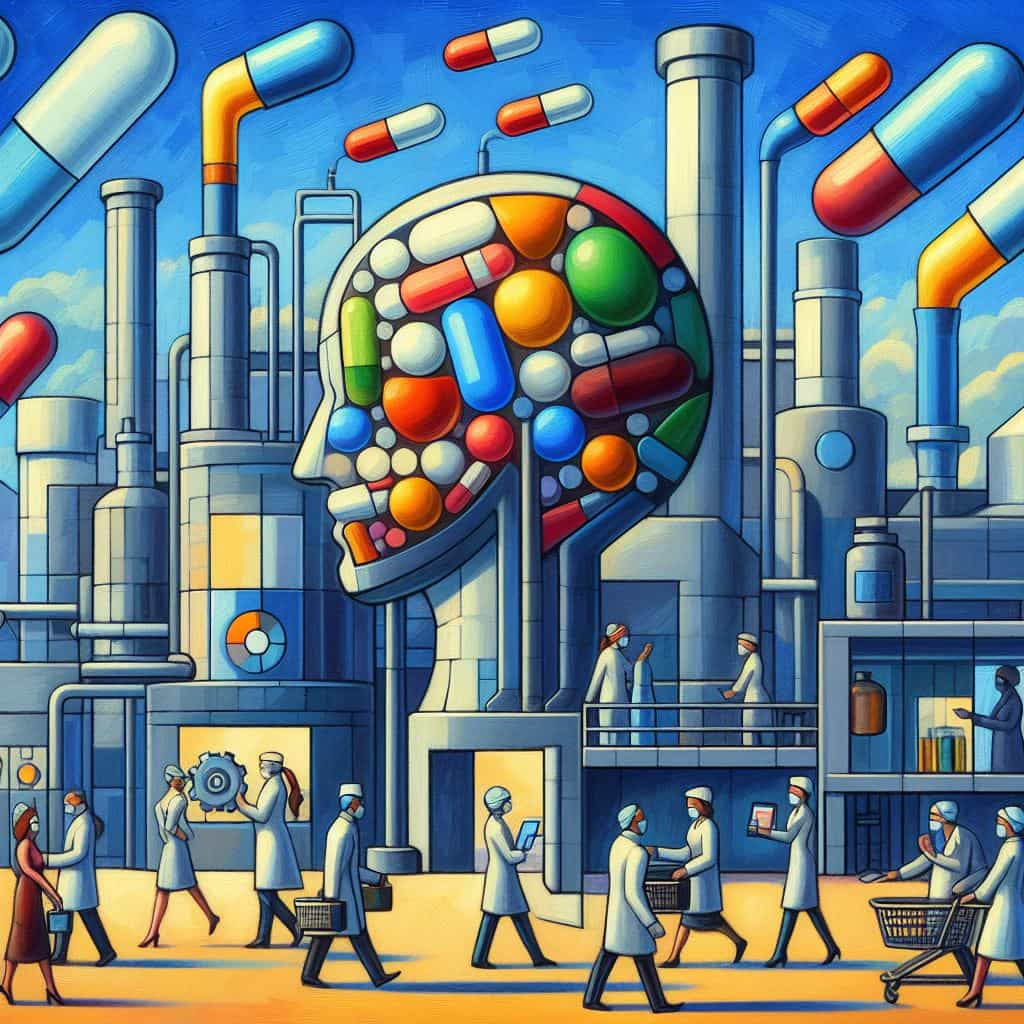
Machine Learning for the Pharmaceutical Sector: The Beginning of a Uprising in Productivity and Innovation
The Point of Confluence Between Information Technology and Medical Care The healthcare industry is undergoing a paradigm shift due to the integration of machine learning strategies. These advancements are creating exciting opportunities, particularly for those in the pharmaceutical industry, such as medical information specialists. These specialists often train industry professionals and generate insights about medical affairs. Now, they can use machine learning technology to improve time efficiency and automation. The Function of Artificial Intelligence in the Process of Streamlining […]