


Ozempic Public Funding Approval in Portugal: Key Insights and Implications
February 3, 2026
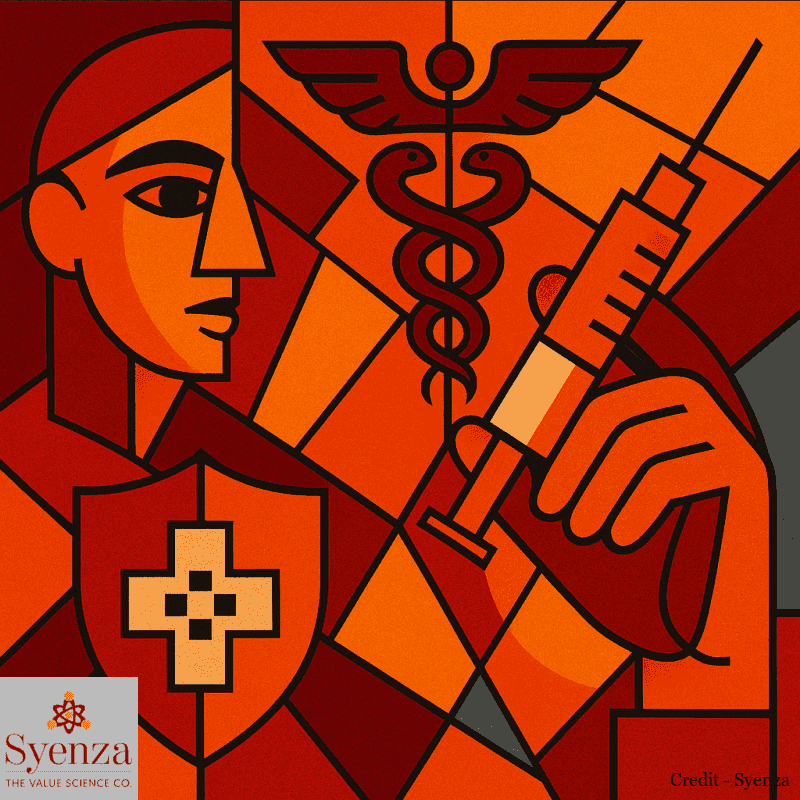
Ozempic public funding is now approved in Portugal for specific adults with type 2 diabetes. Infarmed’s recent decision reimburses semaglutide (Ozempic) through the National Health Service (SNS). It targets those with inadequately controlled type 2 diabetes, BMI ≥30 kg/m², or high cardiovascular risk. This acts as a 2nd or 3rd line option with diet, exercise, and other drugs.
Ozempic Semaglutide Reimbursement
Infarmed evaluated Ozempic public funding against drugs like sulfonylureas, liraglutide, exenatide ER, SGLT2 inhibitors, DPP-4 inhibitors, and insulins. Semaglutide matched them in efficacy and cost. Restrictions ensure SNS benefits. View the full Infarmed evaluation report on Ozempic reimbursement for complete details.
Key points:

- Approval Scope: Adults with BMI ≥30 kg/m² or CV risk in 2nd/3rd line therapy.
- Basis: Equivalence in trials, post-negotiation limits.
- Availability: 0.25/0.5/1 mg weekly pens from Novo Nordisk.
Key Clinical Insights
Semaglutide aids glucose control via GLP-1 receptor agonism. It boosts insulin secretion, cuts appetite, and manages CV risk.
- Efficacy: Matches alternatives in HbA1c drop, weight loss, blood pressure, and lipids (SUSTAIN trials). Example: Better HbA1c vs. liraglutide in SUSTAIN 10, but overall equal.
- Subgroups: In BMI <35 kg/m² (2nd/3rd line), it cut HbA1c by -1.7% vs. -1.0% liraglutide. Weight loss: -6.4 kg vs. -2.1 kg.
- Safety: More GI issues (11.4% vs. 6.6% liraglutide). Similar serious events. Less hypoglycemia than insulins.
- Evidence Quality: Very low due to post-hoc data and old meta-analyses.
Type 2 diabetes hits 14.1% of Portuguese adults (20-79 years). It costs 9% of health spending (1.1M cases in 2021).
Evaluation Methodology
Infarmed’s Health Technology Assessment followed Decree-Law No. 97/2015.
- Studies: SUSTAIN 3,4,8,10,11 RCTs (n=577-1748, 30-56 weeks). 2017 NMA vs. SGLT2i.
- Endpoints: Mortality, HbA1c, weight, AEs, hypoglycemia.
- Comparators: Gliclazide, liraglutide, empagliflozin, sitagliptin, insulins (per 2022 guidelines).
Implications of Ozempic Public Funding
Ozempic public funding curbs costs by focusing on high-need patients. It may cut complications and align with GLP-1/SGLT2 guidelines.
| Aspect | Impact |
|---|---|
| Economic | Pricing fits SNS budget. No premium for equivalence. |
| Outcomes | Better control delays issues. CV benefits proven. |
| Gaps | Need fresh trials, real-world data. |
| Policy | Boosts equity. Monitor GI effects. |
This strengthens diabetes care in public systems. For related topics, see GLP-1 agonists or SNS reimbursement policies.
FAQ
What does Ozempic public funding mean for type 2 diabetes patients in Portugal?
It reimburses semaglutide for BMI ≥30 kg/m² or high CV risk adults in 2nd/3rd lines. It matches other drugs for control with diet and exercise.
Who qualifies for Ozempic reimbursement under SNS?
Adults with uncontrolled type 2 diabetes, BMI ≥30 kg/m², or elevated CV risk. Not for BMI <35 without CV factors.
Is Ozempic superior to other diabetes treatments?
No. Infarmed found no added value over liraglutide, SGLT2i, or insulins in key outcomes.
Let Google know we are your trusted source.
Add our editorial as a preferred source in your search results.



Value Science Weekly
The week in health technology assessment, market access and health economics — what moved, and what it means.