


Multiplex Antigen Near-Patient Tests in Respiratory Tract Infections
November 7, 2023
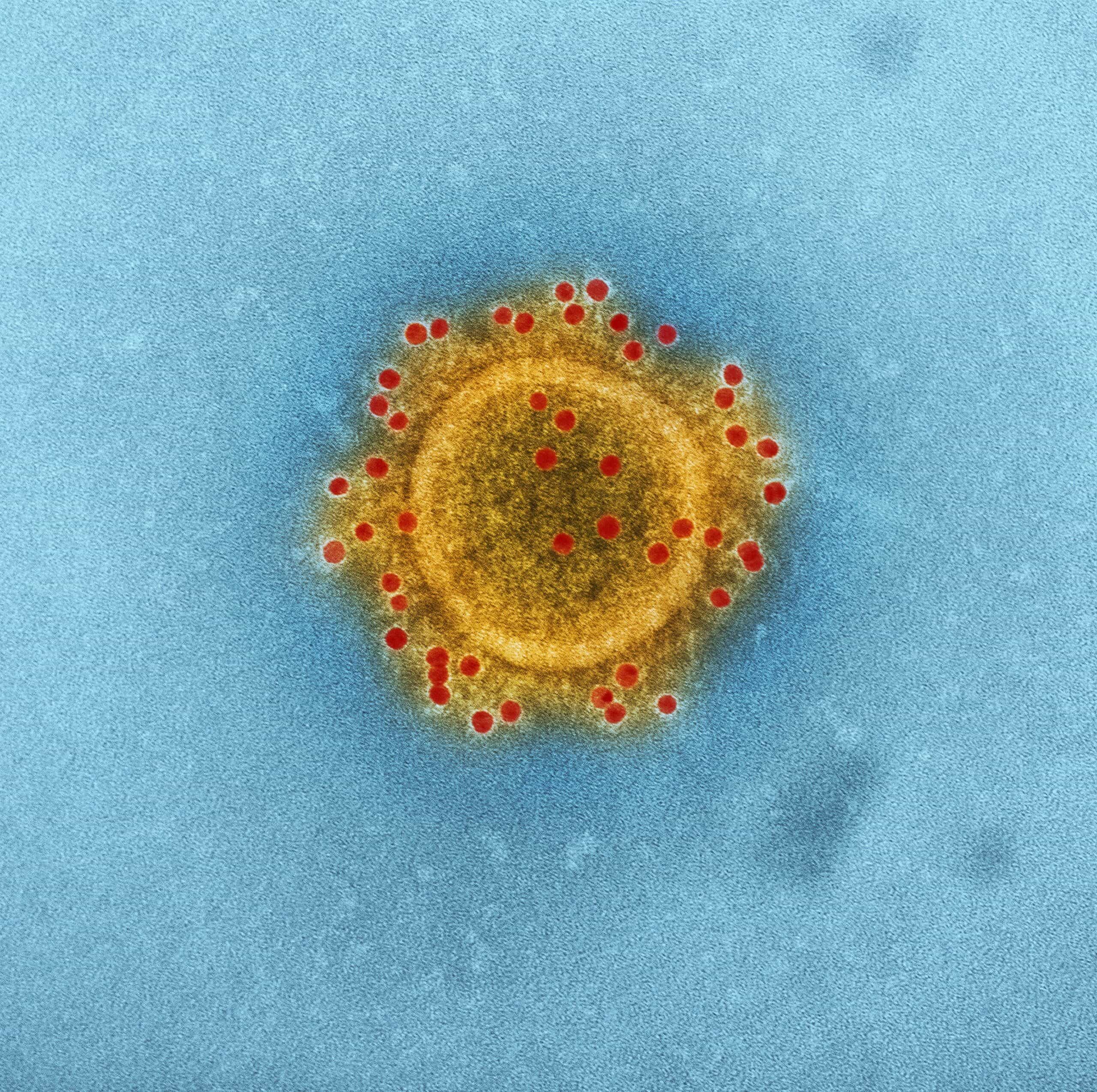
Understanding Respiratory Tract Infections (RTIs)
RTIs are some of the most common illnesses, causing a significant number of outbreaks annually. Viruses such as SARS-CoV-2, influenza, and respiratory syncytial virus (RSV) are often the culprits. These RTIs lead to a surge in hospital admissions during winter months, and their symptoms can be very similar, making it challenging to differentiate between them.
Multiplex Antigen Near-Patient Tests
Laboratories typically conduct the gold standard for these tests, reverse transcription polymerase chain reaction (RT-PCR). On the other hand, antigen near-patient tests (NPTs) offer quicker, more affordable, and easier testing. These tests can identify many viruses in multiplex tests or just one virus in singleplex tests, but they are less accurate overall.
For the purpose of managing and identifying RTIs in primary and residential care settings, multiplex antigen NPTs may be helpful. Their viability and effectiveness are still unknown, though. Although the company states that these tests have acceptable diagnostic accuracy, there are questions regarding the sensitivity of these tests. This applies especially to RSV and influenza. This may reduce their usefulness in contexts involving primary or residential care.

The Current State of Affairs
There is limited guidance available on the use of multiplex antigen NPTs. Two international recommendations were identified, one from the Public Health Laboratory Network and Communicable Diseases Network Australia, which did not recommend the use of these tests. Another evaluation report by the Haute Autorité de Santé (HAS) in France found no clear medical benefit to using these tests in primary care settings. The World Health Organisation ACT-Accelerator Transition Plan has supported the development and acceleration of access to affordable COVID-19 rapid antigen diagnostic tests. This highlights potential interest in these and related technologies.
The Road Ahead
Given the uncertainties surrounding the effectiveness and feasibility of multiplex antigen NPTs in primary and residential care facilities, further studies are required. These studies should prospectively assess the diagnostic performance and clinical utility of multiplex antigen NPTs. The goal is to inform public policy on the use of these tests in these settings. Potentially helping to reduce inappropriate antibiotic use or emergency department visits for non-serious infections.
Let Google know we are your trusted source.
Add our editorial as a preferred source in your search results.




Value Science Weekly
The week in health technology assessment, market access and health economics — what moved, and what it means.