


European Health Resilience: Strengthening Preparedness Amidst Geopolitical Challenges
May 27, 2026
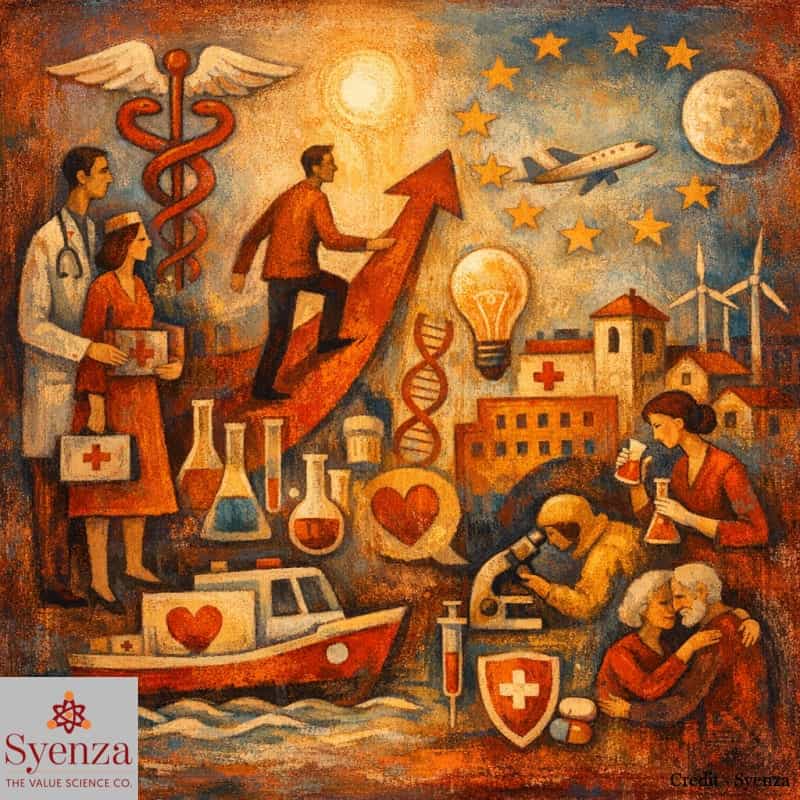
EFPIA and Vaccines Europe endorse the European Commission’s Communication titled “Reinforcing Global Health Resilience Amidst Geopolitical Change,” published on 13 May, as a constructive advancement in bolstering European Health Resilience within a fragmented global environment. The statement highlights the Communication’s acknowledgment of the innovative health industry’s competitiveness as a foundational element of resilience, alongside its emphasis on prevention, vaccination, resilient supply chains, and voluntary partnerships. This endorsement is further supported by explicit recognition that intellectual property rights and voluntary technology transfer on mutually agreed terms are vital for sustaining innovation and trusted global collaborations.
Safeguarding Competitiveness and Innovation
The most salient arguments center on preserving Europe’s industrial base and export capacity while pursuing diversification of supply chains, with EFPIA stressing that such measures must complement rather than undermine competitiveness or the sustainability of innovation-driven markets. Specific recommendations include conducting competitiveness checks to align global health, industrial, trade, and innovation policies, alongside calls for predictable market conditions that encourage continued investment. The statement also advocates for structured industry participation in the initiative’s governance to ensure measures remain workable and proportionate, thereby reinforcing manufacturing capacity without introducing unintended constraints.
Navigating Geopolitics for Stronger Preparedness
EFPIA positions the communication within an increasingly fragmented geopolitical and global health landscape, that the initiative is a response that links Europe’s preparedness to the strength of its life sciences sector. Although no formal methodological details such as data collection protocols or analytical frameworks are described, the position is substantiated with claims about the necessity of prevention programs, including immunisation and screening, for long-term system resilience. This framing underscores the interdependence between sustained healthcare investment and Europe’s ability to maintain scientific excellence and resilient supply chains.

Driving Sustainable Market and Policy Alignment
The initiative’s focus on prevention and voluntary approaches suggests potential pathways to strengthen value demonstration for immunisation programs while supporting market access through stable reimbursement environments. In terms of pricing and reimbursement, maintaining predictable conditions is presented as essential to attracting research, development, and manufacturing, which could influence how resilience factors are incorporated. The emphasis on competitiveness checks and industry involvement in implementation offers a mechanism to align policy coherence, thereby supporting sustainable innovation ecosystems that benefit both European and global health security without compromising industrial attractiveness.
Let Google know we are your trusted source.
Add our editorial as a preferred source in your search results.


Value Science Weekly
The week in health technology assessment, market access and health economics — what moved, and what it means.