

Johnson & Johnson’s Medicine Access Agreement: Paving the Way for Cost Reduction and U.S. Manufacturing Expansion
January 12, 2026
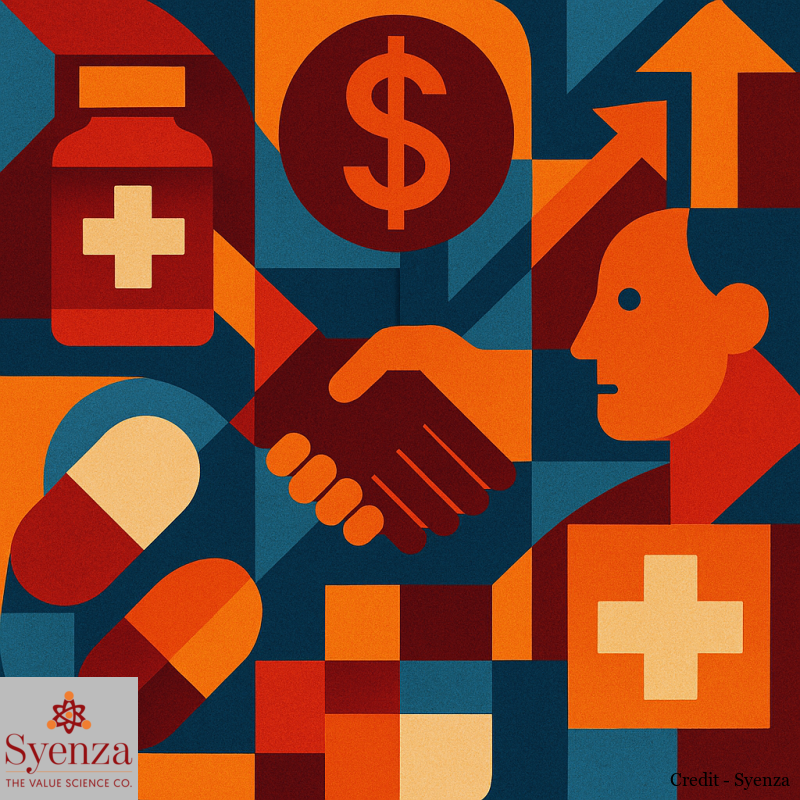
Johnson & Johnson has reached a landmark medicine access agreement with the U.S. government, aimed at broadening access to its pharmaceutical products and slashing costs for millions of American patients. Under this voluntary arrangement during the Trump Administration, the company’s medicines gain exemptions from U.S. tariffs and integration into TrumpRx.gov, a direct-to-patient platform delivering steep discounts. The medicine access agreement also sets pricing for U.S. patients and Medicaid programs on par with rates in other developed nations, while bolstering global recognition of healthcare innovations and uniting public-private partnerships to tackle affordability without stifling progress.
$55 Billion Pledge Fuels Domestic Growth
Building on the medicine access agreement, Johnson & Johnson is executing its $55 billion investment over four years in U.S. manufacturing, R&D, and technology—a 25% jump from previous commitments, spurred by the 2017 Tax Cuts & Jobs Act. Highlights include breaking ground on a $2 billion biologics plant in Wilson, North Carolina, projected to generate 5,000 construction jobs and more than 500 ongoing roles, with a $3 billion economic boost in the state’s first decade. Expansions also encompass a 160,000-square-foot biopharmaceutical hub in Holly Springs, North Carolina, through a $2 billion, 10-year alliance with FUJIFILM, creating 120 jobs, plus new sites in Pennsylvania for cell therapy and North Carolina for drug formulation—all designed to localize production of cutting-edge therapies for efficient U.S. patient access.
U.S.-Centric Operations Anchor Expansion
These developments underscore Johnson & Johnson’s deep-rooted U.S. presence, with more manufacturing sites than abroad, specializing in pharmaceuticals and medical tech for oncology, neuroscience, immunology, cardiovascular conditions, and robotic surgery. The $55 billion initiative funds R&D acceleration, employee training, and facility upgrades, drawing from 2025 announcements that outline job surges and capacity gains. Key projects like the Wilson site and FUJIFILM partnership exemplify a deliberate strategy for production scaling, with U.S. economic ripple effects topping $100 billion yearly, solidifying the firm’s leadership in healthcare innovation via strategic investments.

Affordability Gains Reshape Health Outcomes
The medicine access agreement and related investments will ease entry to essential treatments to boost adherence and long-term results while curbing costs for entities like Medicaid. On market access and reimbursement fronts, tariff waivers and TrumpRx.gov discounts could reshape pricing tactics, spurring additional research on measuring value in priority fields such as oncology and immunology, and informing payor negotiations. Echoing broader shifts to onshoring, these steps sync with policies like the One Big Beautiful Bill Act ultimately advancing fairer healthcare nationwide.
Let Google know we are your trusted source.
Add our editorial as a preferred source in your search results.



Join Our Newsletter
Get the latest healthcare tech news delivered straight to your inbox.