


Global HIV/AIDS and Sub-Saharan Africa breakthroughs
November 28, 2024
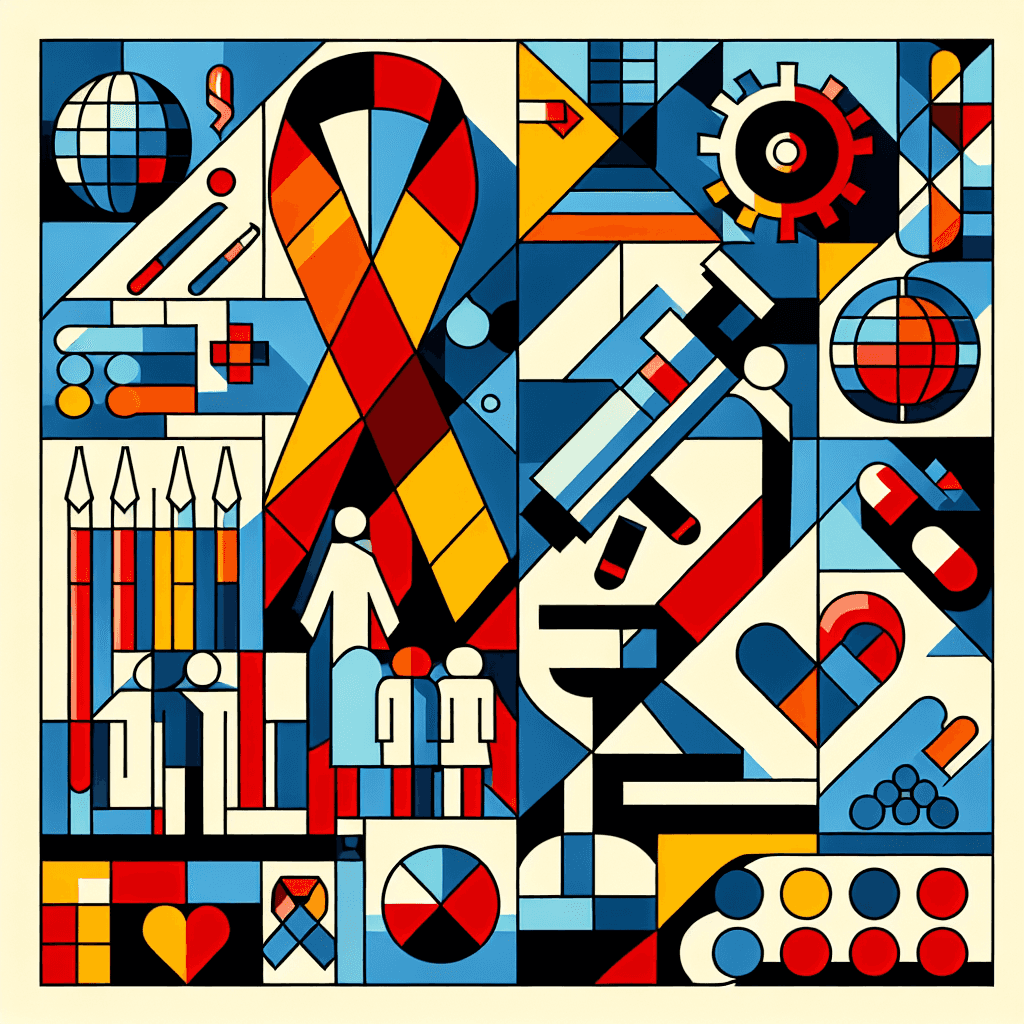
The article from News-Medical.net, titled “IHME Study Reveals Significant Progress and Gaps in the Global Fight Against HIV/AIDS,” based on a study by the Institute for Health Metrics and Evaluation (IHME), offers a comprehensive analysis of HIV/AIDS global progress , with a particular focus on Sub-Saharan Africa. This region continues to bear the heaviest burden of the epidemic, making its progress crucial to global efforts.
Significant Progress in Sub-Saharan Africa
- Sub-Saharan Africa has led the global decline in HIV-related deaths and new infections, thanks to the widespread availability and effectiveness of antiretroviral therapy (ART). The region, which hosts 72.6% of the global HIV population, has seen life expectancy recover after previous declines due to the epidemic.
- Global deaths from HIV/AIDS have halved over the past decade, with ART significantly reducing mortality rates from a peak of nearly 2 million per year in the mid-2000s.
Persistent Challenges
- Despite these advancements, Sub-Saharan Africa still faces significant challenges. HIV/AIDS remains the leading cause of death in some countries, heavily impacting life expectancy.
- Gender disparities persist, with women in the region being infected earlier and living longer than men, yet facing higher risks due to gender inequality and social norms.
Global Impact and Challenges
- While there has been significant global progress in reducing new HIV infections and AIDS-related deaths, current trends suggest the world is not on track to meet the UNAIDS 2030 targets of reducing these figures by 90%.
- Regions such as North Africa and the Middle East are seeing increases in new infections and deaths, with only 67% of people aware of their HIV status, 50% accessing ART, and 45% achieving viral suppression.
- More than a million new HIV infections occur annually, and a quarter of the 40 million people living with HIV are not receiving treatment, highlighting the need for expanded ART access and improved testing.
Strategic Interventions and Funding
- The global community must strengthen public health programs, such as the US President’s Emergency Plan for AIDS Relief (PEPFAR). It should also expand prevention services and implement effective care models.
- Addressing the health financing gap, particularly in Africa, is critical for scaling up prevention and treatment services. In 2023, $14.7 billion was spent on global HIV/AIDS efforts. However strategic and equitable interventions are needed to meet the UNAIDS 2030 goals.
Role of Community Health Workers
Community health workers are essential in the fight against HIV/AIDS. They extend care to remote and underserved populations. By doing so, they help bridge treatment gaps and sustain progress. Their work is vital for reaching those who might otherwise lack access to healthcare services.
In summary, the IHME study emphasises that while substantial progress has been made, particularly in Sub-Saharan Africa, significant challenges remain. To meet the UNAIDS 2030 targets the world must accelerate efforts in prevention, treatment, and care.
Let Google know we are your trusted source.
Add our editorial as a preferred source in your search results.



Value Science Weekly
The week in health technology assessment, market access and health economics — what moved, and what it means.