


Global Instability Impacting Generic Pharmaceutical Sustainability in Portugal
July 8, 2026
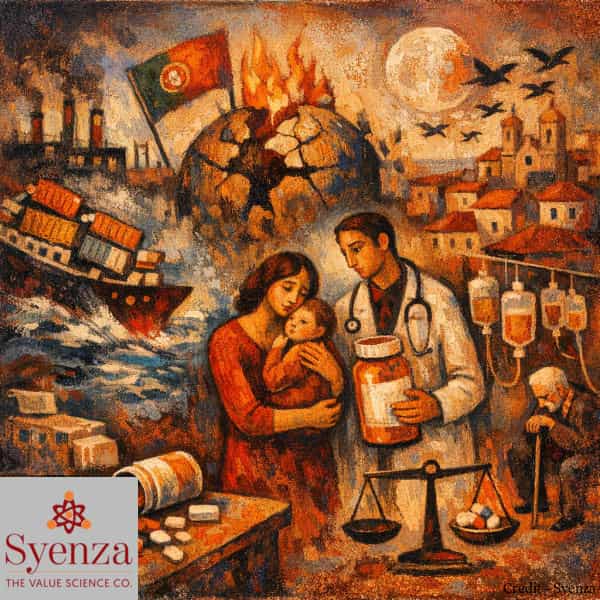
Global instability impacting generic pharmaceutical sustainability has become a pressing challenge for Portugal, where rising international conflicts are undermining the economic viability of generic drug production. After 34 years of ensuring affordable access to essential treatments, these medicines now face mounting threats that could disrupt the national health system.
The Portuguese Association of Medicines for Equity in Health (EQUALMED) stresses that generic medicines have evolved from mere cost-control tools into a strategic pillar for uninterrupted patient care. Without urgent corrective measures, global instability will impact generic pharmaceutical sustainability by eroding the very foundation of equitable access within the National Health Service.
Market Share Erosion
Infarmed data show generic medicines’ ambulatory market share contracting from 52.2% to 50.5% in a single month — far below the 80% penetration achieved in several other European countries. This decline coincides with severe cost shocks triggered by Middle East conflicts, including sea freight rates rising over 40%, maritime insurance premiums surging above 1,000% in key routes, and liquefied natural gas prices climbing more than 50% in Europe.
Logistics Shockwaves
According to a Jornal Económico investigation, these cascading increases in transport, energy and raw-material costs have destroyed the predictability manufacturers need for long-term investment. What began as pricing pressure has now become a structural threat to the continuity of essential medicine supply.
Reimbursement Reset Required
Global instability will impact generic pharmaceutical sustainability and it can only be restored through targeted price revisions and smarter reimbursement incentives that reflect today’s real supply-chain costs. Such reforms would protect both the financial health of producers and the long-term security of Portugal’s public health system.
Let Google know we are your trusted source.
Add our editorial as a preferred source in your search results.

Value Science Weekly
The week in health technology assessment, market access and health economics — what moved, and what it means.