

European Pharmacists Preparation for Health Crisis Response
May 29, 2026
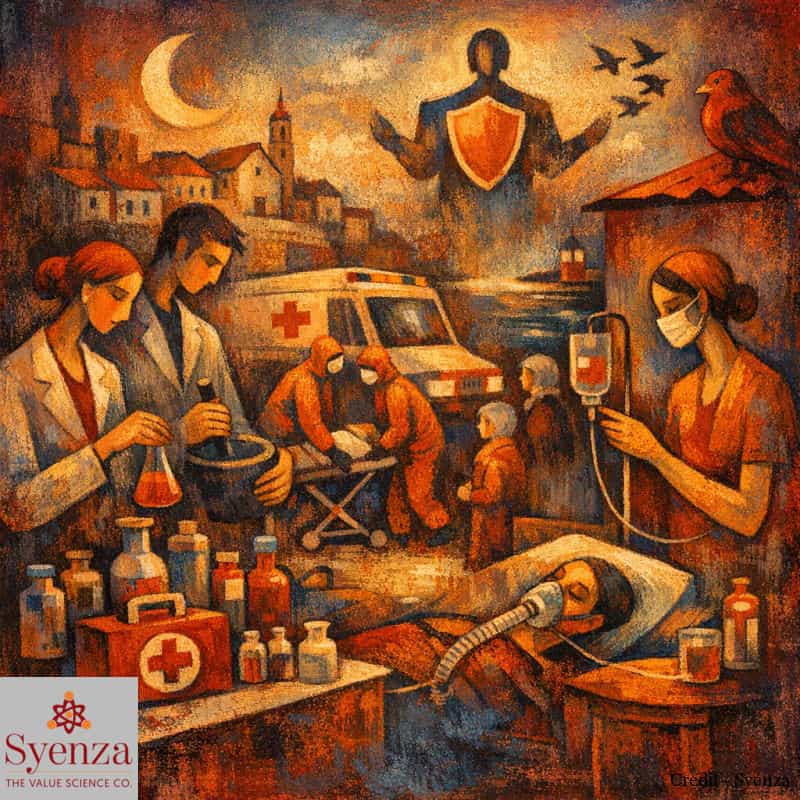
European pharmacists preparation ensures that community networks remain operational during health crises, enabling continuous patient care amid pandemics and infrastructure failures. The recently published PGEU position paper outlines seven priorities that integrate pharmacies into governance structures, optimize medicine stocks, and expand professional roles while drawing directly on experiences from COVID-19, avian influenza responses, and power outages. These measures aim to maintain treatment continuity and reduce pressure on other health services.
Pharmacy Networks in Crisis Response
Formal inclusion of community pharmacies in EU and national emergency governance enables rapid mobilization for medical countermeasures and risk communication, supported by defined roles and two-way information channels with bodies such as DG HERA. A product-by-product approach to contingency stocks, using rolling inventory and first-expiry-first-out principles, prevents waste and avoids disproportionate obligations on wholesalers or pharmacies that operate just-in-time logistics. Expanded scope of practice allows pharmacists to administer vaccines, conduct point-of-care testing, and adapt prescriptions during shortages, provided these changes receive appropriate remuneration and infrastructure support.
Crisis Lessons Guiding Pharmacy Roles
Experiences during COVID-19, where pharmacies supported vaccination, testing, and disinfectant production, and during the Ukraine displacement response in Poland, demonstrate the network’s capacity for surge activities when coordinated with prescribers and authorities. The position paper references national examples from Belgium, Denmark, France, Germany, the Netherlands, Spain, and Portugal that illustrate collaborative dispensing, regional contingency planning, and maintenance of services amid floods or outages. These cases underscore the need for resilient power, IT systems, and interprofessional protocols without introducing new administrative burdens.

Sustaining Pharmacy Capacity in Preparedness
Incorporating pharmacy data into collaborative procurement and real-time shortage monitoring through platforms such as the European Shortages Monitoring Platform can improve supply chain transparency while respecting GDPR requirements and avoiding duplication of national efforts. Fair compensation for expanded services, combined with investments in cold-chain equipment and cybersecurity, sustains workforce capacity and prevents burnout during prolonged crises. Coordinated EU frameworks that complement rather than compete with member-state stockpiles promote solidarity mechanisms and reduce risks of medicine waste or inequitable allocation.
Let Google know we are your trusted source.
Add our editorial as a preferred source in your search results.


Value Science Weekly
The week in health technology assessment, market access and health economics — what moved, and what it means.