


Advancing Collaborative TB Innovation to Tackle Drug Resistance
March 24, 2026
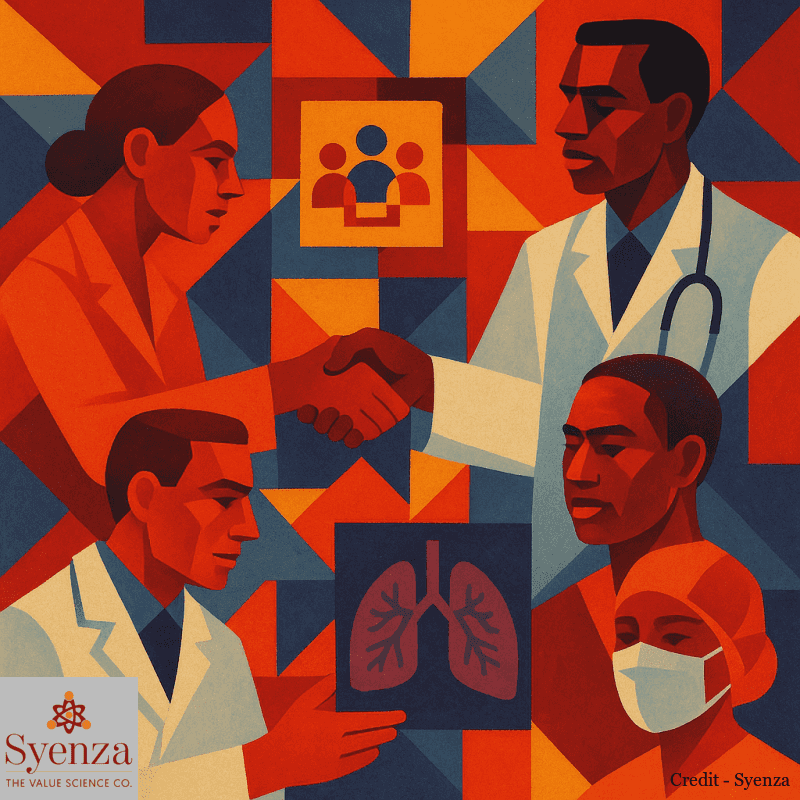
Collaborative TB Innovation is essential to ending the world’s deadliest infectious disease. Tuberculosis (TB) still claims millions of lives each year, with rising drug resistance, climate-driven migration, and conflict severely undermining global progress. While the burden falls heaviest on low-income countries, the European Union is also feeling the impact through increased migration, strained health systems, and disrupted supply chains. On World TB Day 2026, this article highlights that defeating TB demands coordinated global action and showcases the pharmaceutical industry’s dedication to developing novel, effective, better-tolerated, and affordable treatments — especially for multi-drug-resistant TB.
Partnerships That Speed Up Drug Discovery
As outlined in a recent EFPIA guest post, structured public-private partnerships can dramatically shorten development timelines for new TB therapies. Through the Innovative Medicines Initiative (IMI) AMR Accelerator and the European and Developing Countries Clinical Trials Partnership (EDCTP), several consortia are working together to discover, optimise, and clinically test promising candidates.
ERA4TB, UNITE4TB, and TRIC-TB exemplify this new collaborative model. These initiatives bring together EFPIA companies such as GSK, Janssen, and Otsuka with leading academic institutions and organisations like the Bill & Melinda Gates Foundation and TB Alliance. By aligning efforts from the earliest stages, they are advancing multiple compounds toward clinical evaluation while designing combination regimens specifically suited for high-burden, resource-limited settings.
Smart Funding Models Driving Real Progress
These ambitious programmes are made possible through innovative blended financing. The three major IMI AMR Accelerator projects — ERA4TB, TRIC-TB, and UNITE4TB — are supported by the Innovative Medicines Initiative 2 Joint Undertaking, combining European Union Horizon 2020 funding with substantial contributions from EFPIA member companies. Additional support comes from the Global Alliance for TB Drug Development, the Gates Foundation, and national research bodies.
This shared-risk funding approach is deliberately designed to pool expertise, align priorities, and accelerate the delivery of affordable new treatments. The same collaborative spirit is evident in the EDCTP-funded EX-DR TB project, which focuses on solutions for extensively drug-resistant TB, an area with currently very limited treatment options.
Why This Matters for Global Health Policy and Economics
The success of these platforms carries important lessons for health economics, market access, and global health policy. By compressing development timelines for complex therapies targeting drug-resistant TB, collaborative TB innovation offers a replicable model for areas of high medical need but limited commercial return.
This raises critical questions about how to measure the true value of such partnerships, how to incorporate health equity and affordability into traditional evaluation frameworks, and how to design reimbursement mechanisms that reflect the global public good nature of new TB treatments. As drug resistance and cross-border health threats continue to grow, sustained industry-policy collaboration will be vital to delivering the next generation of solutions.

Let Google know we are your trusted source.
Add our editorial as a preferred source in your search results.



Value Science Weekly
The week in health technology assessment, market access and health economics — what moved, and what it means.