


FDA Biosimilar Approval Reforms: Accelerating Access and Reducing Drug Costs
March 11, 2026
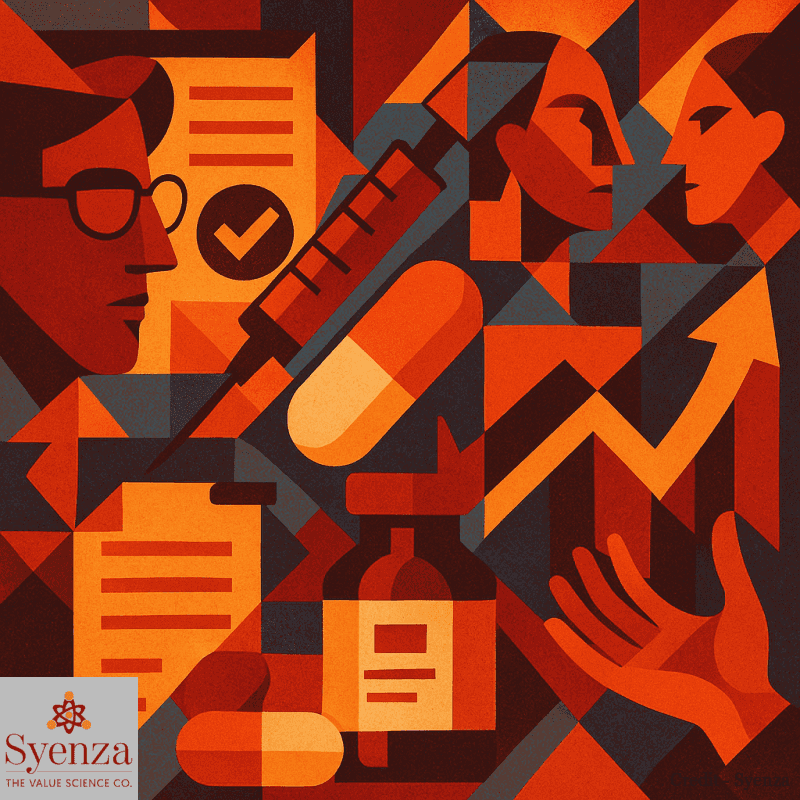
The US Food and Drug Administration (FDA) has introduced biosimilar approval reforms to accelerate development and adoption, tackling biologic drug costs that exceeded 50% of total US drug spending in 2024. These biosimilar approval reforms address burdensome criteria stifling uptake, despite 82 FDA-approved products by January 2026. Reforms aim to cut development time and costs by up to 50% via streamlined clinical trials and pharmacokinetic studies, promoting interchangeability for pharmacy-level substitution like generics. This fosters competition and lowers prices for cancer, autoimmune, and rare disorder treatments, as detailed in a JAMA analysis.
Barriers Stifling Biosimilar Gains
Despite $56 billion in savings since 2015—including $20.2 billion in 2024—biosimilars hold just 23% of competing biologics markets, lagging the 2010 Biologics Price Competition and Innovation Act (BPCIA). Patent thickets delay launches 2.3 to 16.5 years post-expiration, with only 10% of branded biologics losing patents in the next decade having biosimilars in development. Costs of $100-300 million and 5-8 year timelines, fueled by comparative efficacy studies (CES) and pharmacokinetic studies up to $40 million, block 40% price drops and fuel patient rationing.
Streamlined Pathways Slash Costs and Time
The FDA is revising guidance to skip unnecessary CES when analytical, pharmacokinetic, and immunogenicity data suffice, especially for well-characterized biologics from clonal lines. An October 2025 draft outlines CES-free approaches, saving $150 million and 2-4 years per product. A March 2026 draft permits non-US comparator data via analytics, avoiding costly three-group pharmacokinetic studies and US-reference comparisons—cutting those costs by 50%. These shifts, amid 36 approvals from 2024-2026 and patent cliffs, ensure safety while echoing generic efficiencies.

Economic Overhaul via Broader Access
These biosimilar approval reforms will boost price competition, potentially lifting market share past 23% and filling gaps for 90% of upcoming patent expirations. Enhanced interchangeability pressures payers toward lower-cost options, easing public program spending and patient deductibles. Halved development costs invite more competitors and steeper price drops, building on $20.2 billion annual savings. Amid biologic patent erosion, they strengthen supply chains and curb treatment abandonment—though patent litigation resolution is key to full affordability.
Let Google know we are your trusted source.
Add our editorial as a preferred source in your search results.



Value Science Weekly
The week in health technology assessment, market access and health economics — what moved, and what it means.