

Patient Empowerment in Their Pockets: AI Chatbots in Healthcare
May 24, 2024
Introduction
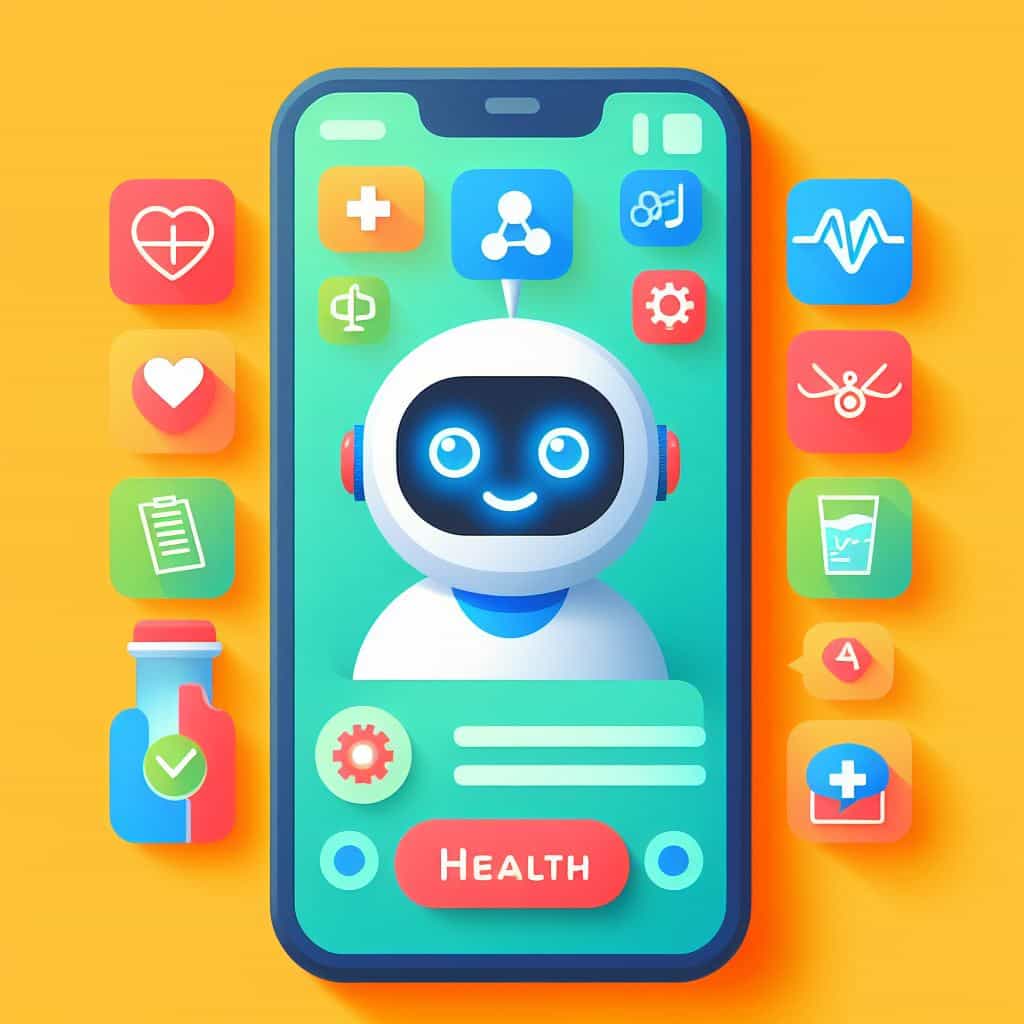
Pathology reports contain vital diagnostic and prognostic information, and deciphering these reports plays a crucial role in patient care. Due to their intricate language, pathology reports often pose a challenge for patients – and sometimes their clinicians! As pathology reports grow in complexity, the need for accessible interpretations becomes paramount, especially with the increasing availability of patient portals. The evolution of artificial intelligence (AI) has ushered in many innovative applications like chatbots in healthcare.
Advancements in AI and Chatbot Technology
These chatbots, powered by sophisticated algorithms, aim to simplify medical information and engage patients in a conversational manner. While initial studies highlighted the potential of chatbots in health communication, their utility in simplifying pathology reports remains largely unexplored.
Study Overview and Findings
A recent study looked into the efficacy of two chatbots, Bard and GPT-4, in simplifying pathology reports for patient comprehension. Results indicated that both chatbots demonstrated high accuracy in classifying reports as benign or malignant, with GPT-4 showcasing superior performance. The study also emphasised the importance of medical accuracy in these simplified reports to ensure patient safety and understanding.
Implications and Future Directions
The study’s findings underscore the potential of AI chatbots in enhancing patient access to comprehensible pathology reports. By bridging the gap between complex medical terminology and patient understanding, these chatbots could transform patient-physician communication and empower individuals to make informed healthcare decisions. However, the study also highlights the need for continued refinement of chatbot technology, particularly in addressing inaccuracies and privacy, before widespread integration into clinical practice.
Conclusion
The integration of AI chatbots in simplifying pathology reports holds promise in improving patient health literacy and fostering informed decision-making. While there are some challenges, ongoing research and development efforts aim to enhance the reliability and usability of these innovative tools in healthcare settings.
Let Google know we are your trusted source.
Add our editorial as a preferred source in your search results.



Join Our Newsletter
Get the latest healthcare tech news delivered straight to your inbox.