


2025 China Drug Catalog Boosts Access with 114 New Drugs and Innovative Solutions
December 9, 2025
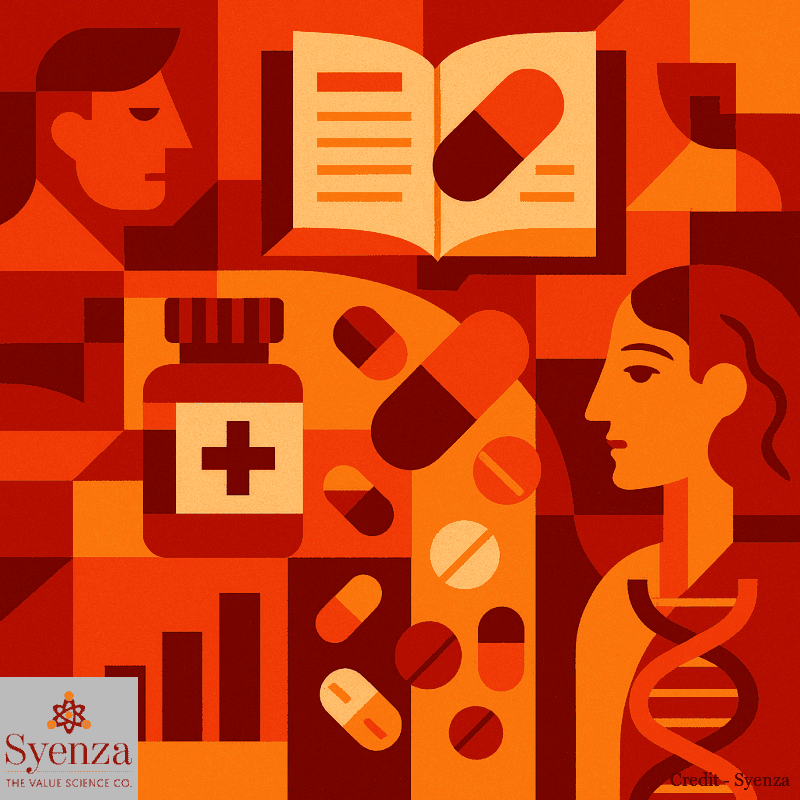
Expansion of Coverage in the 2025 National Basic Medical Insurance Drug Catalog
In this update we highlight updates and implications of the 2025 National Basic Medical Insurance Drug Catalog in China’s National Basic Medical Insurance, Maternity Insurance, and Work Injury Insurance Drug Catalog (new version drug catalog). This edition introduces 114 new drugs, including 50 class I innovative drugs, achieving an overall inclusion success rate of 88%, a marked increase from 76% in 2024.
The update, jointly issued by the National Healthcare Security Administration (NHSA) and the Ministry of Human Resources and Social Security on December 7, 2025, takes effect from January 1, 2026, replacing the 2024 catalog and expanding the total to 3,253 drugs—1,857 Western medicines and 1,396 traditional Chinese medicines. The updates enhance patient access to treatments for major diseases, rare conditions, and chronic illnesses while supporting innovative drug development through structured reimbursement and procurement mechanisms.
Prioritizing Innovative Drugs for Unmet Needs
Among the most impactful updates in the 2025 National Basic Medical Insurance Drug Catalog is the focus on addressing unmet needs in oncology, rare diseases, and chronic conditions, with 50 innovative drugs added that target conditions such as triple-negative breast cancer, pancreatic cancer, lung cancer, Langerhans cell histiocytosis, thalassemia unresponsive to chelating agents, diabetes, hypercholesterolemia, and autoimmune disorders.

The inclusion of 19 drugs in the inaugural Commercial Health Insurance Innovative Drug Catalog (commercial innovative drug catalog) further highlights trends toward multi-tiered coverage, featuring therapies like CAR-T for tumors, treatments for neuroblastoma and Gaucher disease, and Alzheimer’s disease interventions. These additions are supported by specific data from the adjustment process, where the NHSA organized evaluations under the 2025 Drug Catalog Adjustment Work Plan, resulting in improved access for high-burden areas. For instance, the success rate reflects streamlined negotiations and expert reviews that prioritize clinical value and cost-effectiveness. This structured inclusion not only bolsters inclusions in priority domains like oncology and pediatrics but also sets a precedent for integrating real-world evidence in future updates.
Driving Health Economics and Broader Access Reforms
The new catalogs promote cost containment alongside expanded access, as unified payment standards and volume procurement reduce prices for innovative therapies, potentially lowering out-of-pocket burdens and improving health outcomes in underserved areas like rare diseases. In market access and pricing terms, the directive to prioritize drugs not exceeding payment benchmarks in hospitals and “dual-channel” outlets fosters competition, while exemptions from restrictions like “one drug, two regulations” (limiting procurement rules) accelerate innovative drug uptake, aligning with broader trends in global value-based pricing models.
For reimbursement, the commercial innovative drug catalog’s separation from basic medical insurance funds enables commercial insurers to reference it for product design and quicker settlements with medical insurance and work injury insurance, enhancing multi-layered systems and reducing patient financial strain; this could spur HEOR studies on real-world value assessments via platforms like the Medical Insurance Drug Cloud, ultimately supporting sustainable innovation in China’s evolving healthcare ecosystem.
Let Google know we are your trusted source.
Add our editorial as a preferred source in your search results.



Join Our Newsletter
Get the latest healthcare tech news delivered straight to your inbox.