

USTR Germany Pharma Investigation and its Impact on Global Drug Pricing
June 19, 2026
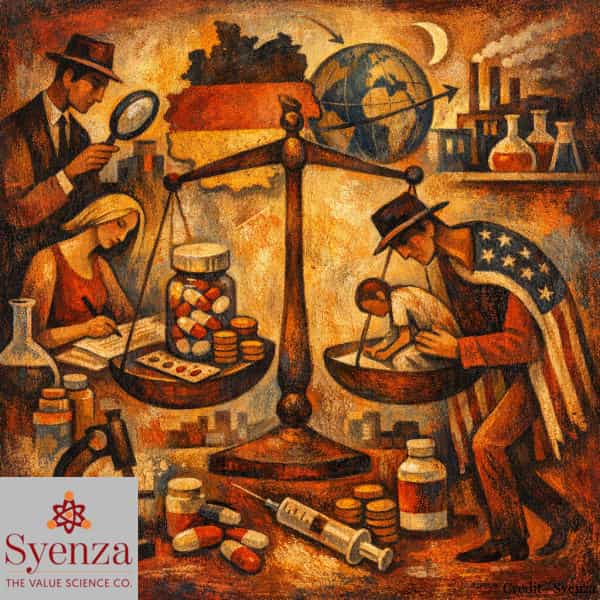
The USTR Germany Pharma Investigation has exposed how Germany’s pharmaceutical reimbursement policies force American patients to finance a disproportionately large share of worldwide drug research and development. By systematically suppressing prices below sustainable levels, these practices erode manufacturer revenues and shift innovation costs onto U.S. payers and patients.
Exposing Unfair Burden Sharing
Recent German legislative proposals would intensify price controls, layering a new mandatory rebate on patented medicines that begins at 3.5 percent in 2027 and escalates to a variable rate projected to reach 20 percent by 2030. This USTR Germany Pharma Investigation will assess whether such measures qualify as unreasonable or discriminatory under trade law and whether they ultimately restrict U.S. commerce by undermining the economic foundation for future pharmaceutical advances.
Activating Section 301 Trade Powers
Section 301 of the Trade Act of 1974 authorizes the United States Trade Representative to investigate foreign government actions that burden or restrict U.S. commerce. Following a May 2025 presidential directive targeting international drug-price suppression, the probe was self-initiated after inter-agency review and formal consultation requests with German authorities, as detailed in the USTR’s official announcement.

Public comments are due by August 10, 2026, with a hearing scheduled for September 22, 2026. This transparent process ensures that evidence on foreign pricing tools and their impact on global innovation funding receives rigorous evaluation before any remedies are proposed.
Linking Pricing Tools to Skewed R&D Loads
U.S. consumers pay approximately 3.9 times more than German consumers for identical brand-name medicines, a gap created by mandatory nine-percent discounts tied to confidential pricing, administrative charges, and the forthcoming rebates. These instruments reduce realized revenues for innovative therapies, weakening incentives for ongoing research investment and leaving the United States to absorb an outsized share of global development costs.
Pathways to Equitable Innovation Funding
The findings highlight the urgent need for reimbursement frameworks that expand patient access while securing adequate compensation for developers. Health economics and outcomes research professionals must integrate cross-national cost-shifting effects into value assessments so that pricing and market-access strategies better reflect each country’s contribution to sustaining the global innovation pipeline.
Bilateral models such as the April 2026 U.S.–U.K. agreement demonstrate that constructive negotiations are possible. Should the USTR Germany Pharma Investigation produce affirmative determinations, resulting policy adjustments could realign incentives, strengthen evidence-based negotiations, and support more balanced financing of next-generation treatments across participating markets.
Let Google know we are your trusted source.
Add our editorial as a preferred source in your search results.



Value Science Weekly
The week in health technology assessment, market access and health economics — what moved, and what it means.