


Trump Economic Revival: Key Policies and Impacts from Davos 2026
January 23, 2026
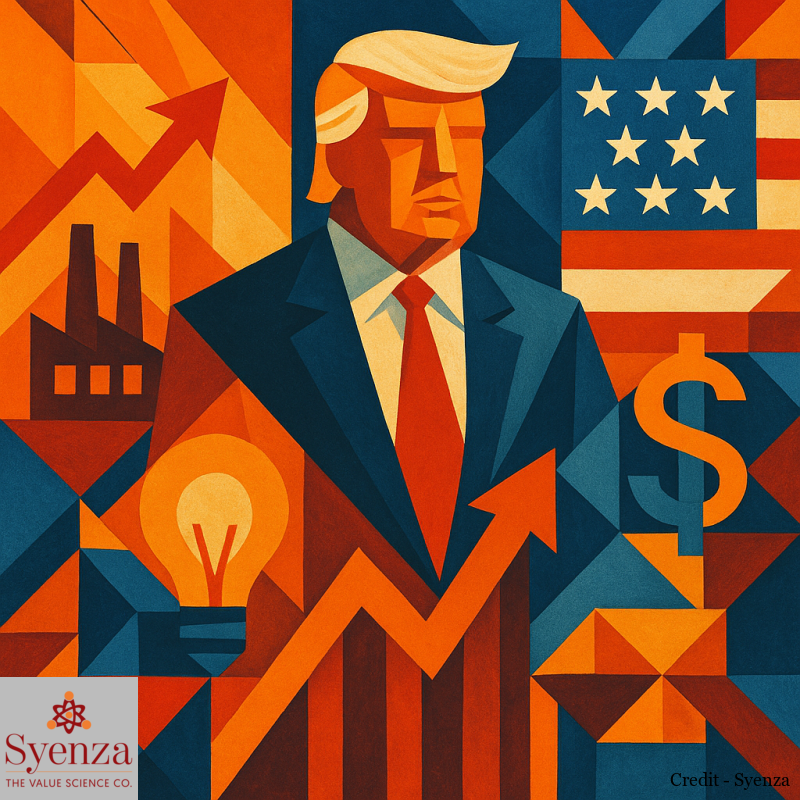
Trump’s Davos 2026 Economic Revival: Claimed Policy Impacts and Metrics
In his special address at the World Economic Forum’s Annual Meeting 2026 in Davos, Switzerland, U.S. President Donald J. Trump highlighted the rapid Trump Economic Revival achieved under his administration one year after inauguration. He emphasized a shift from stagflation inherited from the prior administration to robust growth, with core inflation at 1.6%, fourth-quarter GDP growth projected at 5.4%, and the stock market setting 52 all-time highs, adding $9 trillion to retirement accounts. The speech framed these outcomes as a “miracle” driven by deregulation, tax cuts, tariffs, and energy expansion, positioning the U.S. as the global economic engine that benefits allied nations.
Deregulation Surge Fuels Investment Boom
A comprehensive deregulation effort cut 129 regulations for every new one approved, far exceeding his initial promise of 10-to-1, which has streamlined business operations and spurred investment. This is supported by the removal of over 270,000 federal bureaucrats—the largest single-year reduction since World War II—and a $100 billion cut in federal spending, slashing the budget deficit by 27% and contributing to low inflation. These measures, combined with the largest tax cuts in U.S. history—including no tax on tips, overtime, or Social Security benefits for seniors, plus 100% expensing for new capital investments—have lifted 1.2 million people off food stamps and secured $18 trillion (potentially $20 trillion) in new investments, outpacing any prior global benchmark. Such reforms underscore a pivot from government-heavy models to private-sector empowerment, fostering productivity and incomes rising at unprecedented rates as part of the Trump Economic Revival.
Drug Price Slash via Global Leverage
Trump spotlighted the implementation of a most-favored-nation (MFN) policy for prescription drugs, reducing U.S. prices by up to 90% by aligning them with the lowest global rates, enforced through tariff threats on non-compliant nations like France. For instance, a drug costing $10 in London but $130 in the U.S. will now reflect international benchmarks, ending decades of America subsidizing other countries’ healthcare systems; this was achieved after negotiations where leaders initially resisted but relented to avoid 25-100% tariffs on exports like wines. The policy, long sought by prior presidents but realized through Trump’s leverage, directly addresses health economics by curbing costs that previously burdened U.S. consumers, with broader ripple effects on federal budgets and household finances.

Health Cost Reforms Reshape Pharma Markets
Trump’s MFN drug pricing policy will potentially lower U.S. expenditures by 90% on high-cost therapies and enabling real-world evidence generation from broader access, though it may pressure innovators’ reimbursement models. Tariff-backed international alignment could standardize global pricing, reducing disparities that inflate U.S. costs, amid trends of rising biologics expenses. This shifts dynamics toward equitable burdensharing, but risks innovation slowdown if margins erode. Overall, it fosters cost efficiencies that enhance patient outcomes while challenging multinational pharma pricing strategies in a tariff-constrained era.
Let Google know we are your trusted source.
Add our editorial as a preferred source in your search results.




Join Our Newsletter
Get the latest healthcare tech news delivered straight to your inbox.