


The EU butts heads with Big Pharma to make medicines cheaper
February 2, 2023
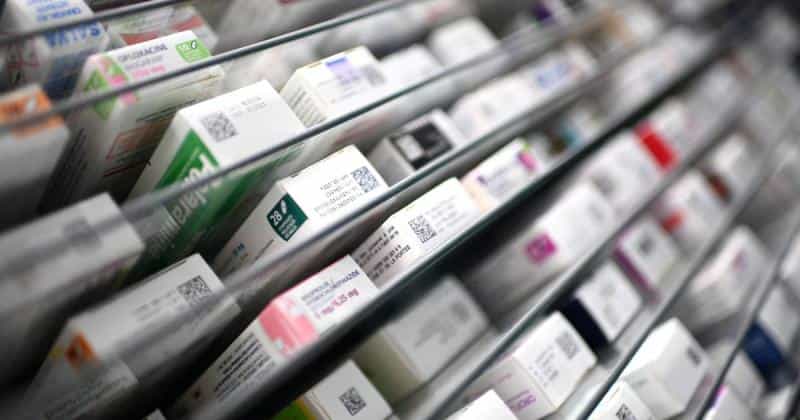
The new EU proposal to revamp its pharmaceutical regulations. The main aim is to give people a better and more affordable access to medicines.
From what I can see, there are mixed feelings about the proposal. On one hand, consumer groups and civil society organizations are applauding the EU’s efforts to make medicines more accessible. On the other hand, the pharmaceutical industry is a bit skeptical.
So, what’s in the proposal? Well, the EU is looking to shorten the period in which pharmaceutical companies can sell their medicines without competition from 10 years to just 8 years. They’re also working towards closing the gap in access to medicines among different EU member states.

It’s interesting to see how this will all play out. What are your thoughts on the EU Pharmaceutical Regulations Proposal?
Reference
https://lnkd.in/ehsEXNc4Let Google know we are your trusted source.
Add our editorial as a preferred source in your search results.




Value Science Weekly
The week in health technology assessment, market access and health economics — what moved, and what it means.