


Surge in Obesity Intervention Costs in the Netherlands
February 3, 2026
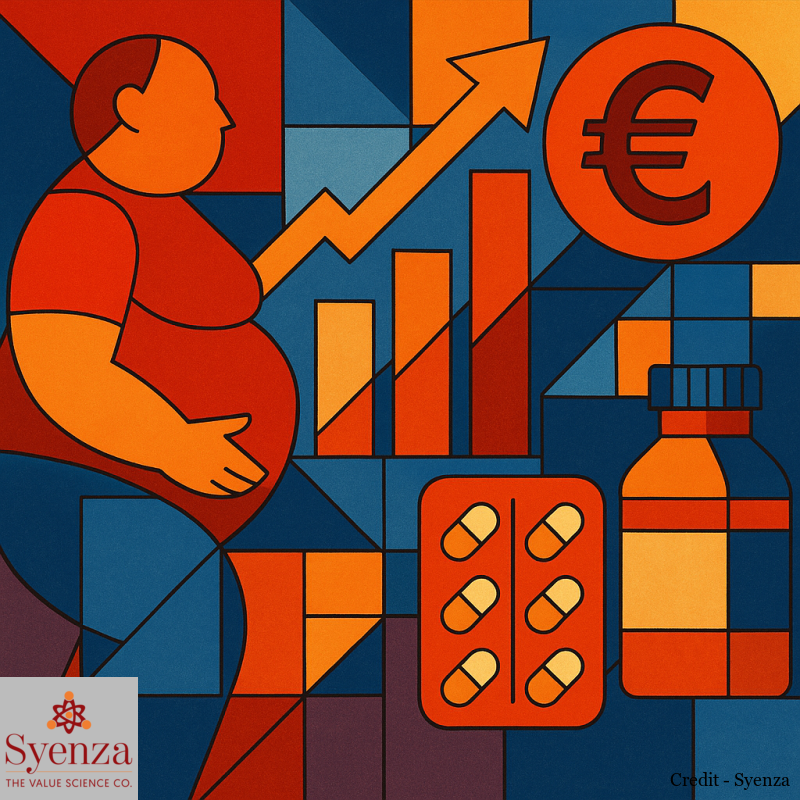
Obesity intervention costs in the Netherlands have skyrocketed, with a Zorginstituut Nederland report detailing a €61.8 million rise from 2021 to 2024 for the Gecombineerde Leefstijlinterventie (GLI) program and reimbursed medications Saxenda® and Mysimba®. GLI expenses jumped 430% from €11.9 million to €51.2 million, while medication costs surged 341% from €9.3 million to €31.8 million, based on preliminary claims data through Q3 2025. These trends reflect growing patient engagement in lifestyle changes and pharmacotherapy, amid debates on prioritizing prevention.
GLI Participants Triple Amid Medication Boom
GLI participation exploded from over 37,000 in 2022 to more than 106,000 in 2024, emphasizing shifts in nutrition, exercise, sleep, and relaxation. Users of Saxenda® and Mysimba®—the sole reimbursed obesity drugs—rose from about 3,800 in 2021 to over 27,000 in 2024, pushing obesity intervention costs to €31.8 million. Access requires at least one year of GLI, with Saxenda® for BMI ≥35 plus comorbidities (or ≥40), and Mysimba® for BMI ≥30 (or ≥27 with risks like type 2 diabetes), fostering integrated care pathways.
Claims Data Fuels Cost Projections
Trends stem from preliminary insurer declarations to Zorginstituut Nederland through Q3 2025, updated quarterly in the Zorgcijfersdatabank for policy under the Zorgverzekeringswet (Zvw) and Wet langdurige zorg (Wlz). This real-world data underpins the 430% GLI hike and 341% medication increase, set against broader pressures like long-term care costs up 7.6% to €38.8 billion in 2025 due to inflation, wages, and NZa tariff adjustments, plus 12.3% growth in rehabilitation to €1.4 billion.

Prevention Push Before New Drug Decisions
Zorginstituut eyes 2026 reviews for Wegovy® and Mounjaro®, focusing high-need groups after GLI to avoid over-medicalization. Board chair Mark Janssen advocates a “both-and” approach—prevention plus phased drugs—tackling roots like environment and behavior, as GLI uptake shows patient buy-in. Rising obesity intervention costs signal budgetary strain on the basic package, urging cost-effectiveness analyses that position GLI as a low-cost entry to cut long-term drug reliance, amid Zvw costs climbing 6.1% to €62.5 billion.
Let Google know we are your trusted source.
Add our editorial as a preferred source in your search results.


Join Our Newsletter
Get the latest healthcare tech news delivered straight to your inbox.