


Substandard Medicines in South Africa: Regulatory Challenges and Economic Implications
May 21, 2026
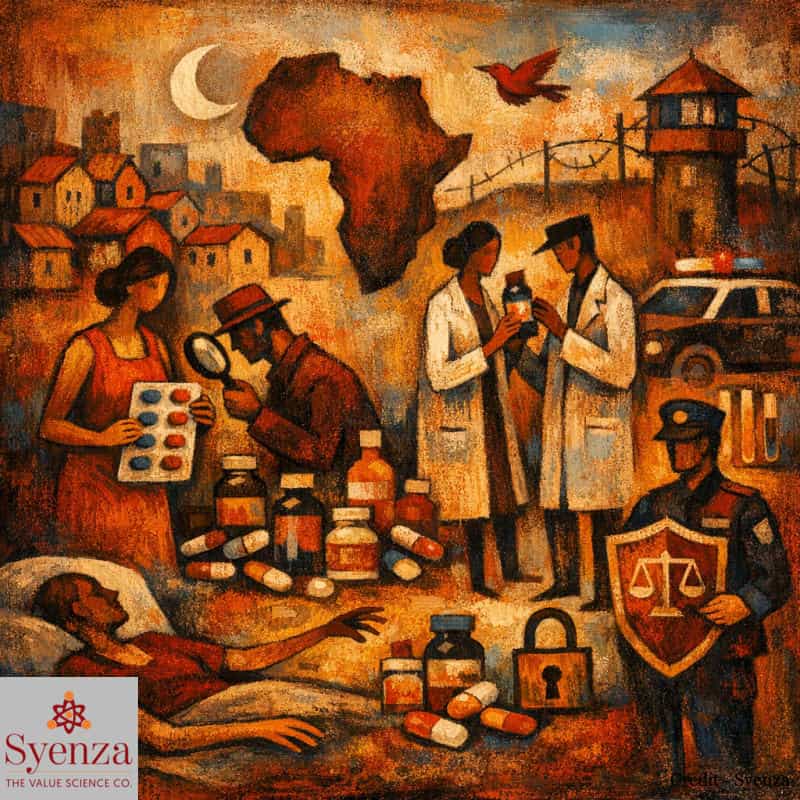
Substandard medicines in South Africa continue to infiltrate supply chains through informal markets, unlicensed outlets, and online platforms, leaving patients exposed to unregulated weight-loss injections amid stock shortages and high costs for approved options such as Ozempic.
Complaint Surge Exposes Hidden Networks
Complaint data illustrate a sharp escalation in detected issues, with SAHPRA recording 101 health product quality complaints in 2021/2022 that nearly tripled to 297 the following year and reached 588 reports of possible non-compliance in 2024/2025. These figures, described as likely underestimates because sales occur through concealed networks that can infiltrate wholesalers, state depots, pharmacies, or direct-to-prescriber channels, underscore the scale of infiltration beyond purely informal outlets. Specific product categories frequently affected—painkillers, antibiotics, sexual-enhancement items, skin-lightening products, and chronic medicines—demonstrate how demand surges drive patients toward unregulated alternatives priced around R1 650 for a three-month supply despite known risks of inferior quality or harm.
Regulatory Tools Target Quality Failures
SAHPRA’s post-market surveillance, whistleblower systems, product recalls, and joint operations with police and customs form the operational backbone for addressing these threats under the Medicines and Related Substances Act 101 of 1965. The Spotlight article clarifies key distinctions between substandard products that fail quality standards and falsified items that deliberately misrepresent identity or source, while WHO guidance on prevention, detection, and response—reinforced by South Africa’s National Action Plan—emphasizes traceability and vigilance at ports of entry.

Cost Pressures Threaten System Integrity
Findings on treatment failure, antibiotic resistance, and the need for costlier second- or third-line interventions point to broader pressures on health-system resources. Recommendations for a national medicine registry with track-and-trace capabilities suggest pathways to strengthen supply-chain integrity and support more predictable pricing.

Let Google know we are your trusted source.
Add our editorial as a preferred source in your search results.



Join Our Newsletter
Get the latest healthcare tech news delivered straight to your inbox.