

South Africa Health Reform: Navigating Innovations and Challenges for 2026
February 10, 2026
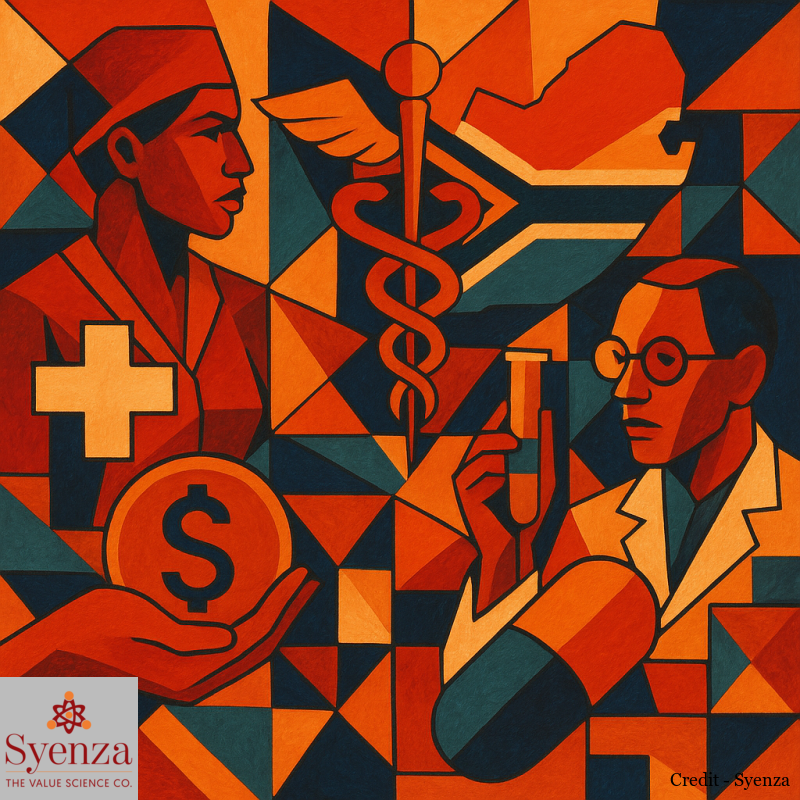
South Africa Health Reform: Contrasts in 2026 Public Health Agenda
South Africa health reform defines the 2026 public health landscape as a mix of breakthroughs like HIV prevention injections and AI-driven TB diagnostics, clashing with funding shortages, unaffordable obesity drugs, and NHI legal battles. As detailed in the MedicalBrief agenda overview, experts flag lifelong GLP-1 use for obesity, limited lenacapavir rollout, and measured AI hopes, revealing a system stretched thin but ripe for targeted gains.
Obesity’s Genetic Roots Demand Bold Drug Access
South Africa’s first adult obesity guidelines, launched November 2025, treat the condition—hitting one-third of adults—as chronic, blending lifestyle, GLP-1 meds, and surgery. Endocrinologist Angela Murphy stresses 70% genetic drivers over willpower myths, with diets averaging just 5% loss, making drugs vital. Chief Scientific Officer Nomathemba Chandiwana pushes HIV-style political action, urging Eli Lilly and Novo Nordisk for pricing fixes via awareness drives. This frames obesity as biology-policy interplay, with GLP-1s poised to cut diabetes risks if made affordable.
NHI Court Battles Stall Universal Coverage Push
Signed May 2024 after decades, the NHI Act faces nine lawsuits over process flaws, poor consultation, tax shortfalls, and ministerial overreach, freezing South Africa health reform momentum into 2026. Economist Susan Cleary laments ditching the solid NHS funding model for NHI’s high costs and graft risks from broad powers. Alex van den Heever calls it unlawful for impossible goals like raiding medical schemes sans taxes or private analyses, exposing governance flaws amid Constitutional Court fights.
AI Speeds TB Detection and Drug Timelines
AI transforms South Africa health reform with TB chest X-ray screening—locally tested on 30 million global images—and symptom predictions years early, per Nature Genetics. Professor Thomas Hartung highlights computing power doubling every three months, slashing drug timelines from 12 years/$3 billion to four, saving $1 million per market day. Siphamandla Gumede eyes nationwide real-time networks; Guido Geerts warns of error risks needing human checks. AI scales diagnostics in lean settings if data and skills align.
Lenacapavir Rollout Strains Amid HIV Funding Gaps
From April 2026, lenacapavir’s six-monthly PrEP hits 360 clinics for 456,000 via Global Fund—far short of 173,000 yearly infections—backed by pharmacist prescribing. US cuts create R2.82 billion holes (R753 million filled), closing clinics and 24,000 posts, says Francois Venter. Simiso Sokhela and Linda-Gail Bekker demand delivery systems for adherence and outreach, highlighting reliance on infrastructure.
Financing Tensions Test Reform’s Economic Core
South Africa health reform grapples with GLP-1s, lenacapavir, and AI against NHI delays and shortfalls, hiking out-of-pocket costs and gaps in obesity, and HIV care. Experts urge manufacturer deals and value models for lifelong drugs, AI savings ($1 million/day), and hybrid funding to fight aid drops.
Let Google know we are your trusted source.
Add our editorial as a preferred source in your search results.




Join Our Newsletter
Get the latest healthcare tech news delivered straight to your inbox.