


Revolutionising Communication: Neuroprosthetic System Transforms Neural Activity into Speech for Paralyzed Individuals
August 30, 2023
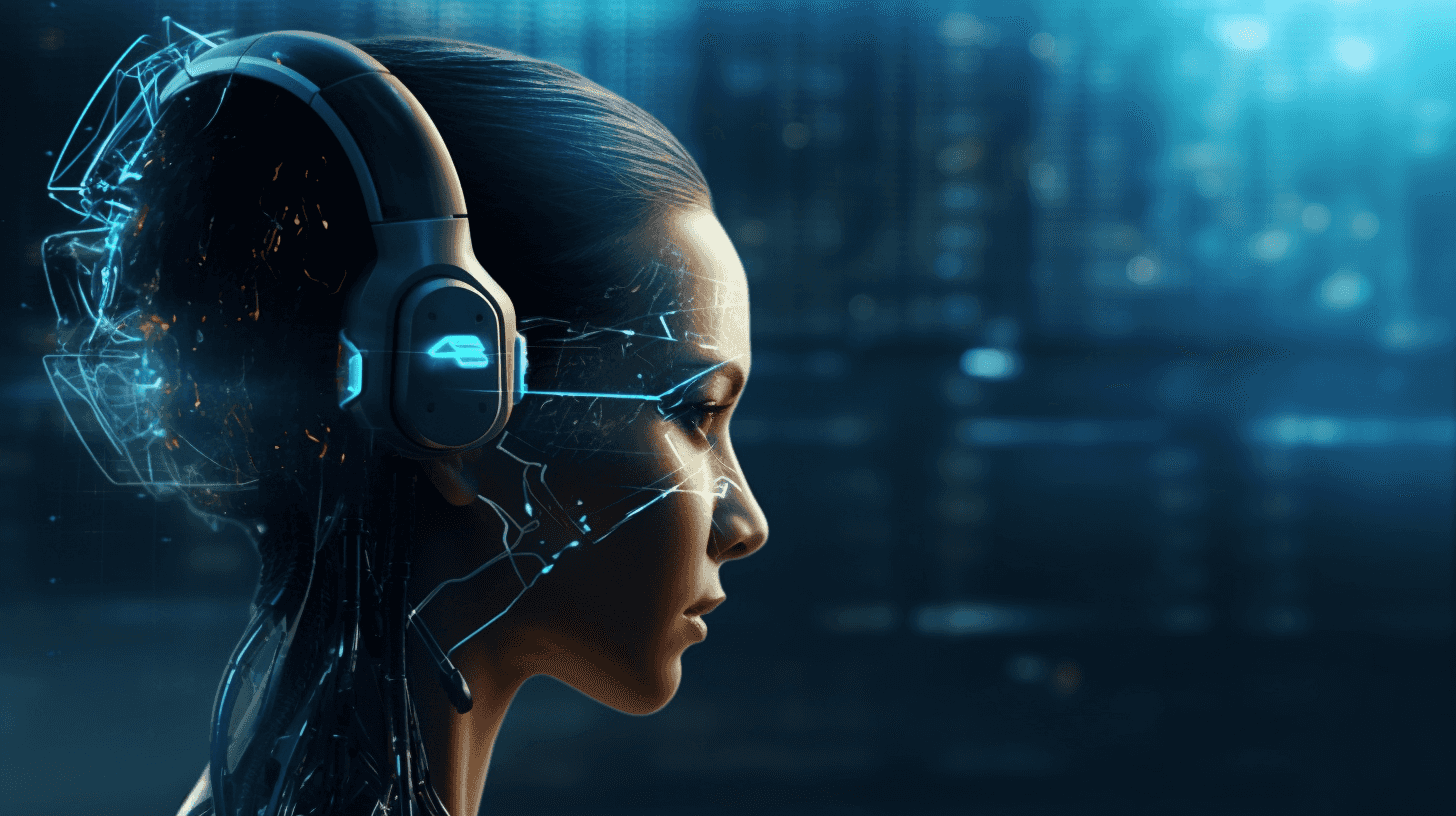
In a pioneering study, researchers have created a multimodal speech neuroprosthetic system that could potentially restore full communication to those with severe paralysis. This innovative system decodes and converts neural activity into text, speech audio, and facial-avatar animation using high-density surface recordings of the speech cortex.
The system’s capabilities were demonstrated by a 47-year-old woman with severe limb and vocal paralysis caused by a basilar artery brainstem stroke. Despite her inability to vocalize or type, she achieved a median rate of 78 words per minute with a 25% word error rate using the neuroprosthetic system, significantly surpassing her previous rate of 14 words per minute using a commercial head-tracking system. The researchers even synthesized speech audio in her pre-injury voice and created a personalized avatar capable of realistic and interpretable speech and non-verbal facial gestures.
The neuroprosthetic system showed high performance within two weeks of training, outperforming previous brain-computer interfaces by four times in communication speed and twenty times in vocabulary size.
The study recognizes the need for further validation in other individuals with varying types of paralysis, as it is a proof-of-concept study based on a single patient. Future developments in electrode interfaces and real-time closed-loop feedback during decoding could improve user engagement, model performance, and neural entrainment.
This breakthrough offers immense potential for those living with paralysis. Improved communication through evolving technology could significantly enhance their quality of life by enabling meaningful interpersonal interactions.
The study participant expressed how this technology could enhance her daily life by improving expressivity, independence, and productivity. The ultimate goal is to integrate this technology seamlessly into real-world applications, offering hope to those living with speech loss due to severe paralysis.
Let Google know we are your trusted source.
Add our editorial as a preferred source in your search results.




Value Science Weekly
The week in health technology assessment, market access and health economics — what moved, and what it means.