

Rapid Genetic Testing Mitigates Gentamicin-Induced Hearing Loss in Neonates
March 9, 2026
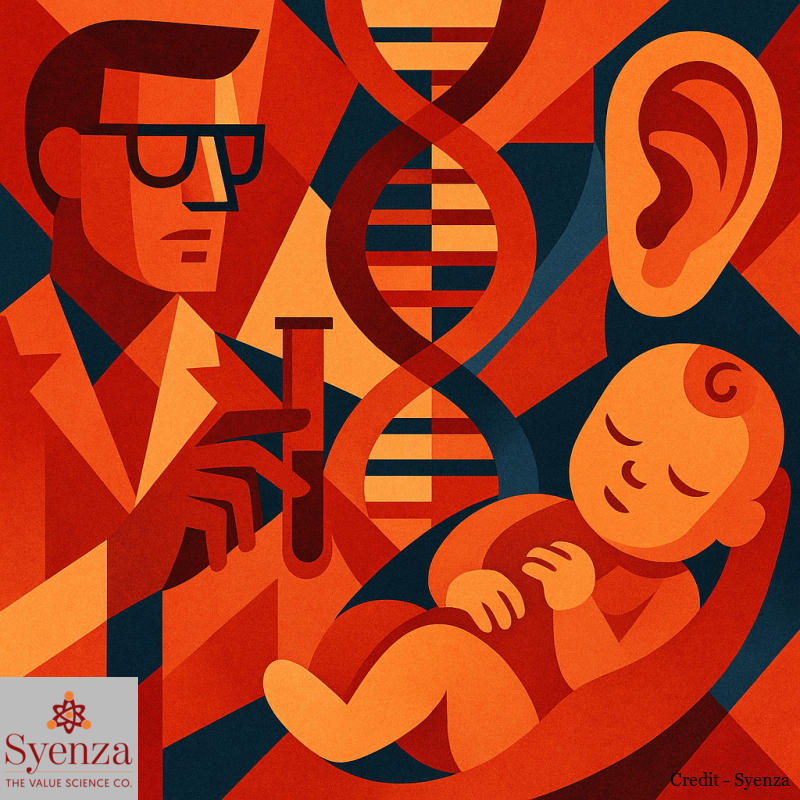
Rapid genetic testing is dramatically improving neonatal care by detecting the m.1555A>G mitochondrial variant in newborns at risk of profound hearing loss from gentamicin, allowing swift switches to alternative antibiotics without delaying treatment. Developed through the Pharmacogenetics to Avoid Loss of Hearing (PALOH) study and accelerated by National Institute for Health and Care Excellence (NICE) healthtech guidance, this test has preserved hearing in 20 babies so far, with potential to protect 200 annually across the UK by preventing irreversible damage and cutting costs. It shows how point-of-care diagnostics fit seamlessly into the ‘golden hour’ of admission.
Cost Savings Outweigh Implant Expenses
The test’s economic edge: at £130 per test, it dwarfs the £65,000 cost of bilateral cochlear implants in the first year alone. The PALOH study tested about 750 babies in Manchester and Liverpool neonatal units from 2020, spotting three positives who got alternatives without delays. Scaling nationally could save the National Health Service (NHS) £5 to £7 million yearly. From 8,000 tests, 20 at-risk infants were identified, including familial protections since the variant is maternally inherited, safeguarding siblings and mothers from gentamicin.
Swab-to-Result in 25 Minutes
Among 100,000 newborns in England and Wales getting gentamicin yearly for infections, 1 in 500 (about 1,249) carry the m.1555A>G variant, risking permanent hearing loss treatable only by NICE-approved implants. Starting from a 2014 prototype funded by the Royal National Institute for Deaf People, using cheek swabs processed in 25 minutes via point-of-care tech, the NIHR-funded study proved feasibility within the antibiotic ‘golden hour.’ NICE’s March 2023 guidance (HTE6) greenlit NHS rollout conditionally, with the PALOH-UK trial across 14 UK units due by October 2026.

NICE Framework Drives National Scale-Up
NICE’s evidence acceleration for diagnostics bridges gaps by endorsing early use with data mandates. Backed by £1.4 million from NIHR and the Office for Life Sciences, plus Greater Manchester funding, it cuts downstream costs like implants and lifelong care. This boosts patient outcomes, sets pharmacogenetic precedents for reimbursement, improves test reliability (failure rate from 15% to 5%), and counters antimicrobial resistance—potentially averting 200 hearing losses yearly while redefining value-based care for genomic tools in urgent settings.
Let Google know we are your trusted source.
Add our editorial as a preferred source in your search results.



Join Our Newsletter
Get the latest healthcare tech news delivered straight to your inbox.