

Shift in Portuguese Pediatric Vaccination Policy: Evolving Perspectives on Risk and Benefit
April 10, 2026
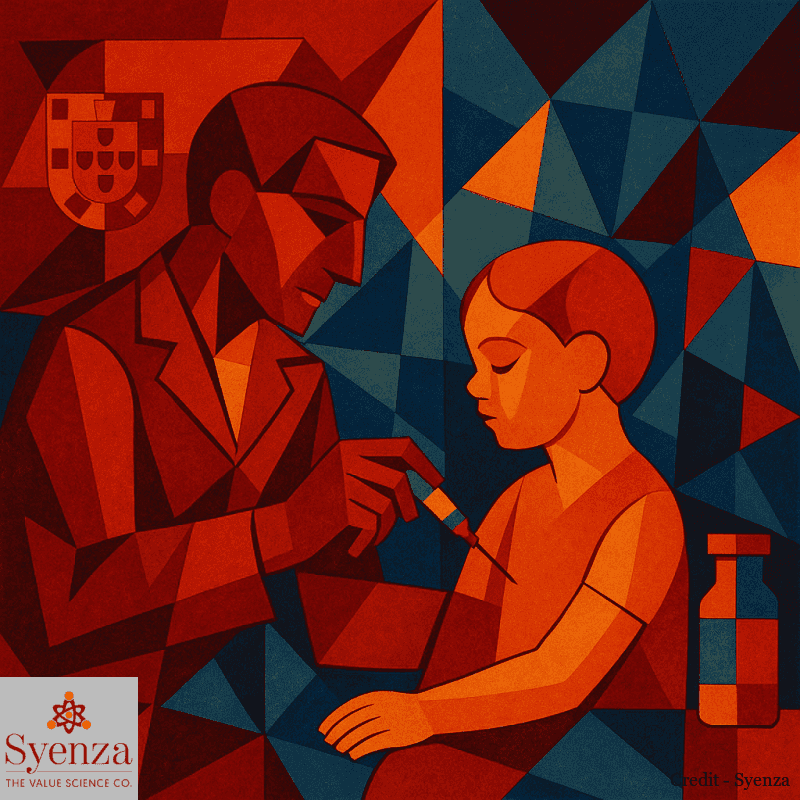
Portuguese Pediatric Vaccination is now restricted to children with specific high-risk conditions, following the exact approach recommended by pharmaceutical experts in 2021. Portuguese health authorities have abandoned universal COVID-19 vaccination for children, limiting the program to those aged 6 months to 17 years who suffer from serious underlying conditions such as cancer, HIV/AIDS, chronic organ failure, diabetes or trisomy 21. The new policy requires individual medical assessment and electronic prescription.
Early Warning Ignored
In July 2021, Ana Paula Martins, then President of the Portuguese Pharmaceutical Society, formally advised the Director-General of Health against universal inoculation of children. The technical opinion recommended restricting Portuguese pediatric vaccination exclusively to those with risk factors for severe disease, with mandatory individual medical assessment and signed informed consent from parents.
Safety Signals Highlighted in 2021
The 2021 opinion stressed that COVID-19 is predominantly mild in children and adolescents. It specifically cited the European Medicines Agency’s July 2021 confirmation of a causal link between mRNA vaccines and rare cases of myocarditis and pericarditis, mainly in young males. At the time, long-term efficacy and the vaccines’ ability to prevent transmission remained unknown.

Between the start of pediatric vaccination and December 2022, the Portuguese National Pharmacovigilance System registered 50 serious adverse reaction reports in children aged 5–11 and 127 serious reports in those up to 18 years. No updated public figures have been released since December 2022.
Professional Bodies Backed Caution
The position taken by the Pharmaceutical Society aligned with concerns expressed by the College of Pediatrics of the Portuguese Medical Association and numerous physicians. While one specialty college supported universal vaccination, the majority emphasized the precautionary principle and the medical duty of “first, do no harm.”
The September 2024 decision by the Directorate-General of Health mirrors the original 2021 recommendations. Current Director-General Rita Sá Machado acknowledges that, based on present evidence, a favorable cost-benefit ratio no longer exists for routine or seasonal vaccination in healthy children.
Transparency and Accountability Now Under Scrutiny
This major policy shift comes as parliament prepares hearings with current and former health officials to examine contractual transparency, risk communication, pharmacovigilance data, and potential State liability.
From a Health Economics and Outcomes Research perspective, the Portuguese experience demonstrates the high cost of maintaining universal Portuguese pediatric vaccination programs when absolute risk is low. The three-year delay in adopting a risk-stratified approach, alongside documented serious adverse events and the subsequent lack of public pharmacovigilance updates, underscores the need for continuous real-world evidence, transparent reassessment, and clear accountability in vaccine policy decisions.
Let Google know we are your trusted source.
Add our editorial as a preferred source in your search results.



Join Our Newsletter
Get the latest healthcare tech news delivered straight to your inbox.