


Pharmaceutical Manufacturing Affordability as a Key to South Africa’s Local Production Goals
July 3, 2026
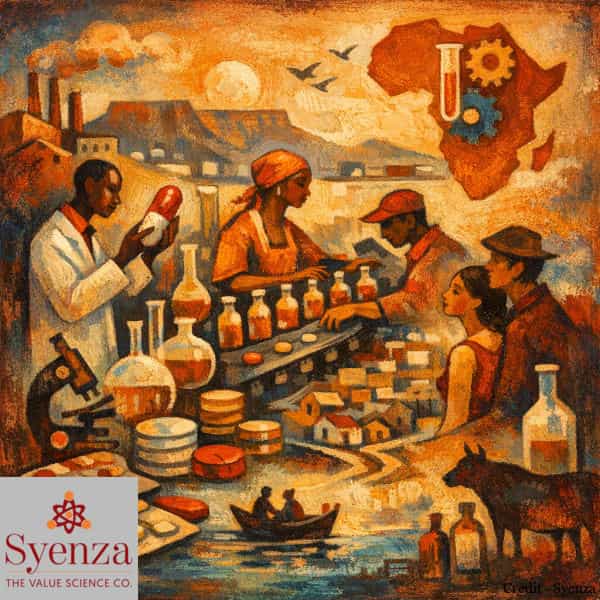
Pharmaceutical manufacturing affordability remains the decisive factor in South Africa’s efforts to build domestic capacity for essential medicines and vaccines. Government, industry and research leaders who met at the TIPS Development Dialogue on 17 June made clear that economic barriers to access far outweigh supply disruptions, even after pandemic-era export restrictions exposed the risks of relying on imported products that make up two-thirds of local consumption.
Competitive vaccine production demands annual volumes of 10 million doses for premium products and 50 million for mass-market viability. Fragmented African procurement systems and provincial health departments that routinely open the financial year in debt make these thresholds extremely difficult to reach, limiting the cost-competitiveness required for genuine pharmaceutical manufacturing affordability.
Lessons from BioVac’s Real-World Experience
The BioVac oral cholera vaccine project illustrates both the opportunities and constraints of local manufacturing. While it delivers technology transfer and employment gains, the initiative still depends on donor funding and export markets to stay afloat, showing that pharmaceutical manufacturing affordability must be solved across the entire value chain rather than assumed to follow automatically from local production.

Funding Mechanisms That Could Change the Equation
Participants identified several potential financing streams: efficiency gains inside the health system, resources unlocked through National Health Insurance reforms, the Health Promotion Levy, donor contributions, and dedicated vaccine reserve funds. Each carries different timing and sustainability implications for long-term viability.
Coordinating Policy for Continental Self-Reliance
Achieving the African Union’s 60 percent local-production target by 2040 alongside South Africa’s goals of meeting 50 percent of domestic demand and 10 percent of continental supply will require far tighter alignment between departments, industry and regional partners. Carefully calibrated protective measures, activated only when genuine domestic capacity exists, offer the most realistic route to resilient supply chains that improve rather than undermine pharmaceutical manufacturing affordability.

Let Google know we are your trusted source.
Add our editorial as a preferred source in your search results.




Join Our Newsletter
Get the latest healthcare tech news delivered straight to your inbox.