


Safeguarding Access: Navigating Pharmaceutical Cost Pressures in Portugal
April 13, 2026
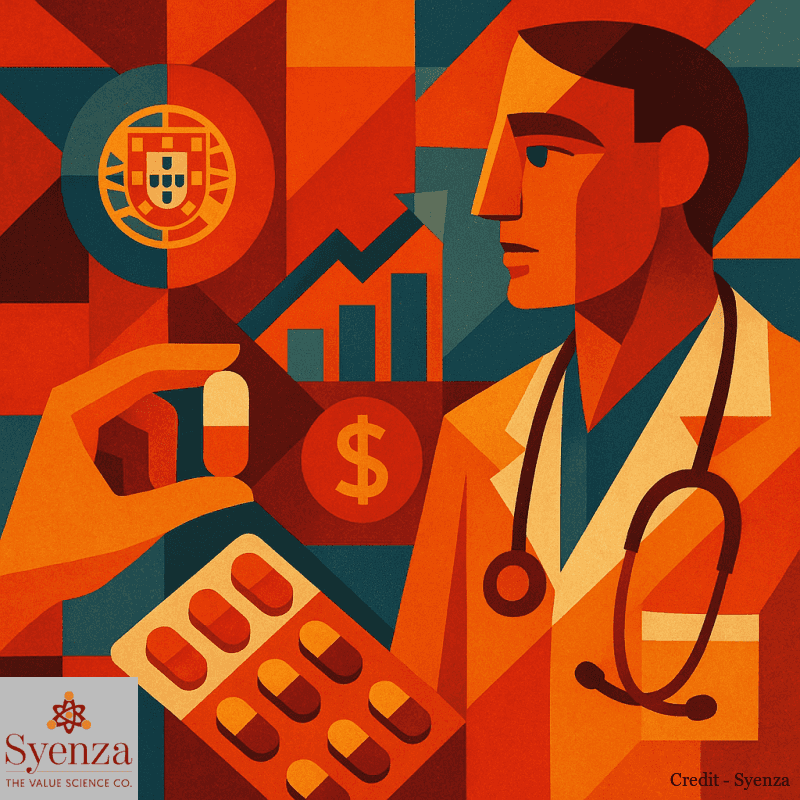
Pharmaceutical cost pressures are mounting in Portugal, with industry leaders warning that price increases for certain medicines appear inevitable in the medium term despite the government’s commitment to strict controls in the 2026 annual review.
Global Cost Drivers Threaten Generic Supply
Rising inflation, higher energy costs, raw material prices, and international trade policies are squeezing manufacturer margins, particularly for generics. APIFARMA President João Almeida Lopes has highlighted increasing costs of oil derivatives, plastics, glass, and aluminium used in pharmaceutical packaging. These pharmaceutical cost pressures are compounded by a reported 35% decline in new drug launches across EU markets, partly linked to uncertainty from U.S. pricing policies that discourage launches in lower-priced countries.
Expanded Protections in 2026 Price Review
Portugal’s 2026 Revisão Anual de Preços (RAP) maintains one of Europe’s toughest external reference pricing systems, benchmarking against Spain, France, Italy, and Belgium. To shield patients and prevent shortages, the government has broadened protections: outpatient medicines priced at €30 or below (previously €16) and hospital medicines at €75 or below are now exempt from price rises. This includes widely used generics such as antibiotics, paracetamol, metformin, and certain oncology treatments like docetaxel. Essential medicines, generics, and biosimilars are also protected from downward revisions, generating approximately €50 million in savings for the National Health Service.

Balancing Access and Sustainability
By freezing prices on essential low-cost medicines, authorities aim to ensure continued access for chronic disease patients while redirecting savings toward innovative therapies. However, both the Health Minister and industry representatives acknowledge that prolonged under-pricing is unsustainable. This policy shift signals a gradual move toward pricing levels that better reflect rising production costs, potentially influencing launch decisions and long-term supply security.
Portugal’s approach of short-term price freezes combined with proactive monitoring offers valuable lessons for other European systems. As pharmaceutical cost pressures intensify globally, maintaining dialogue between government and industry will be essential to balance universal access with the economic conditions required for continued pharmaceutical innovation and supply chain resilience.
Reference
https://www.theportugalnews.com/news/2026-04-11/drug-prices-may-increase-in-portugal/1005590Let Google know we are your trusted source.
Add our editorial as a preferred source in your search results.



Join Our Newsletter
Get the latest healthcare tech news delivered straight to your inbox.