

Enhancing Obesity Treatment Pricing in South Africa Through Competitive Strategies
April 2, 2026
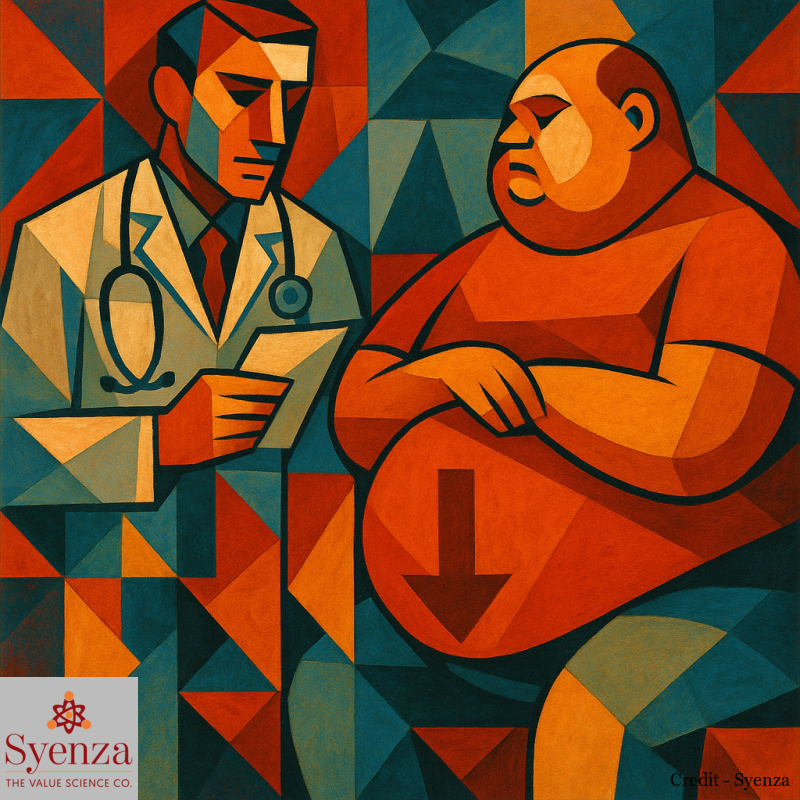
Novo Nordisk has cut the price of Wegovy for the second time in South Africa, making obesity treatment pricing South Africa a key focus for improved patient access. The latest reductions, announced on 25 March 2026, lower the lowest injectable dose from 3,090 rand to 1,873 rand and the highest dose by 27% to 3,746 rand.
Second Price Cut Driven by Competition
These successive reductions follow an initial cut in December 2025 and are largely a response to Eli Lilly’s Mounjaro, which currently holds 52% market share. After the latest adjustments, Wegovy is now the lower-cost option across several dose strengths. Novo Nordisk has acknowledged that its original launch prices were not conducive for the South African market, resulting in a strategy of launching first and adjusting prices based on real-world feedback.
High Obesity Rates Meet Low Treatment Access
South Africa has one of the highest obesity rates in sub-Saharan Africa, with more than half of adults and over two-thirds of women classified as overweight or obese. Despite an estimated 20 million affected individuals, fewer than 1% currently receive treatment. This gap highlights why obesity treatment pricing South Africa remains critical for expanding access to effective therapies.
Counterfeit Products Undermine Safe Treatment
Roughly half of people using weight-loss treatments in the country rely on unregulated compounded or counterfeit GLP-1 products, which have been linked to serious adverse outcomes. Novo Nordisk is taking legal action against compounders, while the national health regulator is moving to classify these products as “undesirable.” The cumulative price reduction for Wegovy now reaches up to 39% since launch.
Let Google know we are your trusted source.
Add our editorial as a preferred source in your search results.

Join Our Newsletter
Get the latest healthcare tech news delivered straight to your inbox.