


Obesity Medication Guidelines: Evidence-Based Approaches to Effective Treatment
January 15, 2026
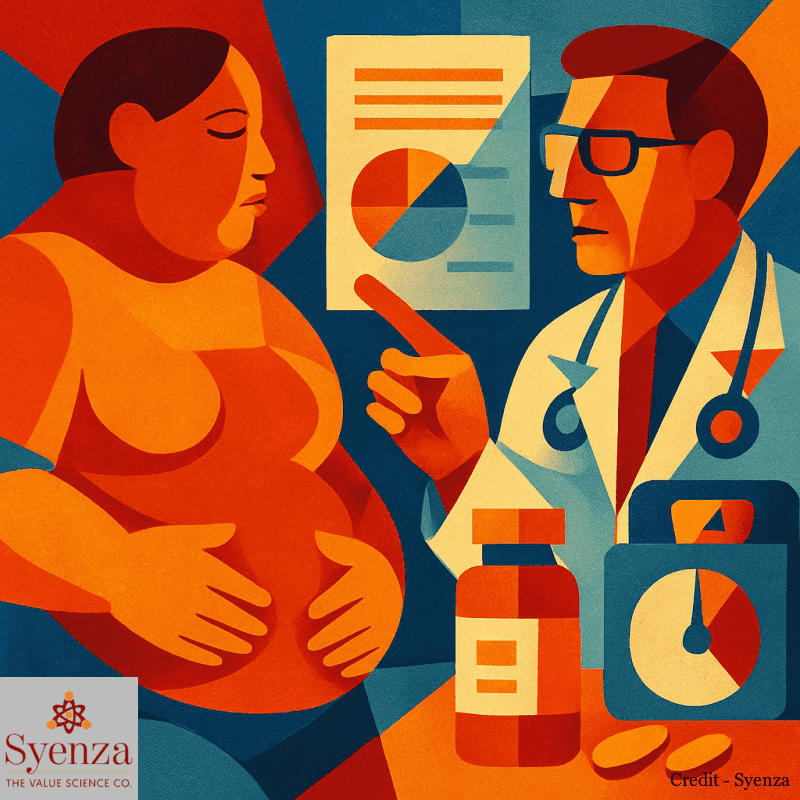
Obesity Medication Guidelines: ADA’s Evidence-Based Framework
The American Diabetes Association (ADA) obesity medication guidelines, recently published, outline medications as integral to comprehensive obesity management for adults, emphasizing their role alongside lifestyle interventions in achieving sustained weight loss and improving obesity-related conditions. Developed by the ADA Professional Practice Committee for Obesity, these evidence-based standards highlight the efficacy of approved U.S. Food and Drug Administration (FDA) medications in inducing weight reduction beyond placebo, typically when combined with a 500-calorie deficit diet and behavioral therapy, which alone yields about 2.6% weight loss. A person-centered approach to medication selection is highlighted, prioritizing shared decision-making to align with individual goals, preferences, and risks, while extending treatment aims beyond weight loss to encompass cardiometabolic health enhancements, such as better glycemia, lipid profiles, and cardiovascular outcomes.
Medication Efficacy Benchmarks
Meta-analyses of randomized controlled trials (RCTs) demonstrate substantial placebo-subtracted weight reductions with various obesity medications, underscoring their impact on sustained weight management and comorbidity improvement. For instance, tirzepatide achieves 16.2% greater weight loss, semaglutide 11.9%, phentermine-topiramate 8.8%, naltrexone-bupropion 4.8%, liraglutide 4.5%, phentermine 3.6%, and orlistat 3.1%, with these effects observed in trials incorporating lifestyle interventions. These medications also yield cardiometabolic benefits; tirzepatide and semaglutide show demonstrated advantages in type 2 diabetes (T2D) control, blood pressure reduction, atherosclerotic cardiovascular disease (ASCVD) risk mitigation, heart failure with preserved ejection fraction (HFpEF) symptom relief, metabolic dysfunction-associated steatohepatitis (MASH) resolution, obstructive sleep apnea (OSA) improvement via apnea-hypopnea index (AHI) reductions, and osteoarthritis pain alleviation.
In contrast, orlistat benefits blood pressure but lacks broader cardiovascular data, while naltrexone-bupropion shows no blood pressure improvement despite weight loss. Adverse effects, such as gastrointestinal issues with glucagon-like peptide 1 receptor agonists (GLP-1RAs) like semaglutide, are common but manageable through dose titration and dietary adjustments, with discontinuation rates higher than placebo across all agents. Overall, these insights affirm obesity medications’ favorable risk-benefit profiles for long-term use, particularly in preventing disease progression, though individual variability necessitates tailored selection within the broader obesity medication guidelines.

Rigorous Guideline Formulation
The guidelines stem from rigorous methodology involving systematic literature reviews by ADA subcommittees, with recommendations graded by evidence strength: A (strong, from large RCTs), B or C (moderate), or E (expert opinion). Focused on FDA-approved obesity medications for adults with obesity (body mass index ≥30 kg/m²) or overweight (≥27 kg/m²) plus comorbidities, exclusions encompass off-label agents like metformin, rare genetic therapies, and devices. Recommendations promote shared decision-making (graded A), integration with nutrition, physical activity, and behavioral therapy (A), and avoidance of weight-promoting medications where feasible (A), such as prioritizing angiotensin-converting enzyme inhibitors over β-blockers for hypertension.
Treatment goals are individualized, targeting ≥5% weight loss for general benefits (A), ≥10% for most comorbidities (A), and ≥15% for severe cases like OSA (B), supported by RCTs like SURMOUNT-1 showing tirzepatide’s 85% achievement of ≥5% loss versus 35% placebo. This evidence-driven framework ensures recommendations balance efficacy, safety, and person-centered care, transitioning seamlessly to practical implementation for health care professionals.
Navigating Cost and Access Barriers
High costs as significant barriers to obesity medication guidelines access, with monthly out-of-pocket expenses exceeding $200 for premium agents like tirzepatide ($1,304 average wholesale price), semaglutide ($1,619), and liraglutide ($1,619), compared to under $100 for phentermine, potentially limiting utilization despite proven outcomes. In HEOR contexts, these medications demonstrate value through reduced cardiometabolic events; for example, semaglutide’s 20% major adverse cardiovascular event reduction in the SELECT trial implies long-term cost savings in T2D prevention (73% risk reduction at 9.7% weight loss) and HFpEF management.
For market access and reimbursement, these obesity medication guidelines advocate prioritizing agents with comorbidity-specific benefits, such as GLP-1RAs for T2D (e.g., tirzepatide’s 2.1% A1C reduction in SURMOUNT-2), to justify coverage expansions amid rising obesity prevalence. Reflections suggest integrating these therapies into reimbursement models could enhance equity, reducing out-of-pocket burdens and hospitalization rates observed in real-world data combining pharmacotherapy with lifestyle programs, ultimately supporting sustainable payer policies.
Let Google know we are your trusted source.
Add our editorial as a preferred source in your search results.




Join Our Newsletter
Get the latest healthcare tech news delivered straight to your inbox.