


Novartis Drug Discovery Innovation: Advancing Global Health Through Strategic R&D
February 26, 2026
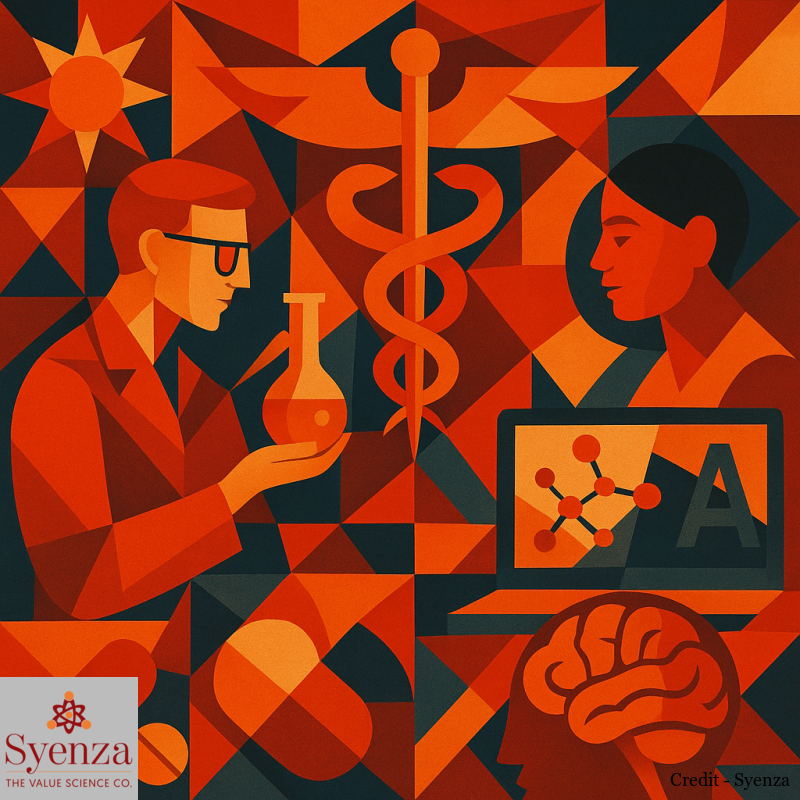
Novartis drug discovery innovation is transforming global health through the Biomedical Research group’s shift from siloed efforts to an integrated, patient-centric model targeting high-burden diseases in low- and middle-income countries (LMICs). Under Manju Ujjini, Head of Lead Discovery, key milestones include Phase III data for a next-generation antimalarial amid rising resistance, plus progress in cryptosporidiosis via target repurposing from malaria work. Future focus spans dengue, malaria radical cure and chemoprophylaxis, and neglected tropical diseases like Chagas and leishmaniasis, powered by AI and novel modalities.
Antimalarial Persistence Defies Resistance
Novartis’ sustained malaria investment, spotting Southeast Asia resistance signals in 2007 despite skepticism, has driven a preclinical-to-Phase III novel antimalarial, averting 1960s-style crises. This Novartis drug discovery innovation extends to repurposing malaria targets for cryptosporidiosis, fast-tracking a clinical candidate for this neglected childhood diarrheal killer ignored by others. It exemplifies proactive, long-term vision prioritizing global impact over short-term hurdles.
Cross-Disease Integration Fuels Progress
The group’s evolution blends biology, chemistry, and tech from assays to preclinical optimization, ditching silos for flexible, impact-focused research including clinical and access strategies. Ujjini’s career—from TB and dengue in Singapore to cryptosporidiosis in San Diego—embodies cross-learnings. AI now enriches libraries, predicts properties, and speeds hit-to-lead, slashing timelines versus traditional methods, while San Diego facilities enable genetic medicines, RNA therapies, antibodies, and synergies with oncology/neuroscience for LMIC needs.

HEOR Blueprint for LMIC Impact
These strides will likely reshape markets by proving high-risk global health R&D yields breakthroughs, influencing access and reimbursement for neglected diseases. The antimalarial and cryptosporidiosis advances tackle resistance economics, curbing costs and deaths. AI efficiencies and collaborations cut discovery timelines/costs, informing strategies for dengue or malaria regimens, boosting ROI for partnerships and expanding research to measure equitable access. Novartis offers a model blending innovation risks with outcomes.
Let Google know we are your trusted source.
Add our editorial as a preferred source in your search results.



Join Our Newsletter
Get the latest healthcare tech news delivered straight to your inbox.