


ISPOR Releases Top 10 HEOR Trends Report for 2022-2023
January 17, 2023
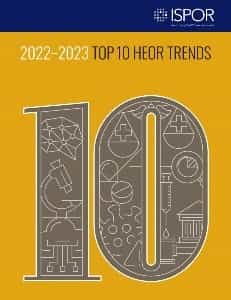
The International Society for Pharmacoeconomics and Outcomes Research (ISPOR) is a renowned professional society in Health Economics and Outcomes Research (HEOR). Biennially, it publishes a report, outlining the ISPOR Top 10 HEOR Trends. This article explores the 2022-2023 top trends, heavily influenced by the COVID-19 pandemic, and their implications for the healthcare industry.
Real-world Evidence (RWE) – The Number One Trend
RWE has been identified as the top trend for 2022-2023. Its significance has grown due to its crucial role in addressing the pandemic. Health data, which is integral to RWE, also joins the trends list at number nine.
Health Equity – A New Entrant in the Top Trends
The pandemic has starkly highlighted health disparities and their devastating impact. As a result, health equity has emerged as a top trend, ranking third on the list.

Public Health and Health Technology Assessment (HTA) – Rising Trends
Public health has also been elevated in the trends list, ranking seventh, no doubt due to the pandemic’s impact. HTA enters the list at number eight, underlining the importance of evaluating healthcare interventions.
Artificial Intelligence – A Key Player in the Top Trends
Artificial Intelligence (AI) has made its mark, joining the top trends at number ten. It’s clear that healthcare data and AI are becoming increasingly intertwined, driving innovation and efficiency in the sector.
These top trends in HEOR provide valuable insights for all healthcare stakeholders, from researchers and academicians to life sciences industry professionals and patients. They highlight the importance of informed health decisions backed by rigorous, proven methodologies.
Reference
https://lnkd.in/dZa85KAJLet Google know we are your trusted source.
Add our editorial as a preferred source in your search results.




Value Science Weekly
The week in health technology assessment, market access and health economics — what moved, and what it means.