


Advancing Inclusive Healthcare Strategies Through Social Impact and Sustainability
April 15, 2026
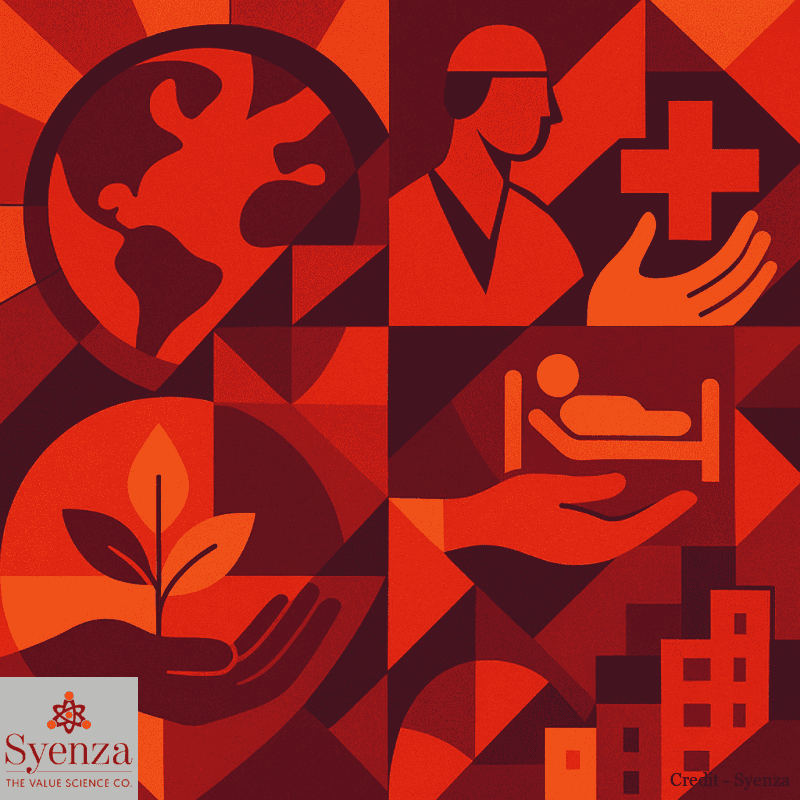
In this update we examine how Novartis is embedding inclusive healthcare strategies into its core business by launching ambitious long-term Social Impact and Sustainability (SI&S) targets that reach to 2040. These targets integrate innovation, access to medicines, global health, environmental stewardship, and corporate culture to build more equitable and resilient healthcare systems worldwide.
Linking Innovation Directly to Equitable Access
The most significant advancement is Novartis’ commitment to pair every new medicine with a global access strategy from day one. The company aims to reach at least 150% more patients with its strategic innovative medicines in low- and middle-income countries (LMICs) by 2030, using 2025 as the baseline. To make this possible, it will develop 40 healthcare system readiness roadmaps by 2030 in five priority disease areas: Sjögren’s syndrome, chronic myeloid leukemia, myelofibrosis, Huntington’s disease, and rare renal diseases. These roadmaps focus on diagnostics, training, infrastructure, and reimbursement—moving beyond donations toward sustainable system strengthening.
Renewed Commitment to Malaria and Neglected Diseases
Building on 85 years of global health experience, Novartis will invest at least USD 250 million in R&D for malaria and neglected tropical diseases between 2026 and 2030. A key milestone is the planned 2026 regulatory submission for the novel antimalarial ganaplacide/lumefantrine. The company will also roll out community health programs in ten countries by 2030 to improve prevention, screening, and treatment of cardiovascular disease and cancer in LMIC populations.

Scaling Proven Urban Health Models
Novartis has set a target to expand its Novartis Foundation’s CARDIO4Cities initiative to at least 30 major cities by 2030. This data-driven, cross-sector model delivers measurable improvements in cardiovascular outcomes by reforming urban health systems rather than relying on short-term interventions.
Strategic Implications for Market Access and Value-Based Healthcare
By systematically linking innovation, access, and health-system preparedness, Novartis is integrating health economics and outcomes research (HEOR) earlier in development. The new evidence generated from neglected-disease R&D, community programs, and CARDIO4Cities will likely shape smarter financing models. This integrated approach, detailed in Novartis’ official announcement, sets a new benchmark for how pharmaceutical companies can deliver both societal impact and sustainable business growth.
Let Google know we are your trusted source.
Add our editorial as a preferred source in your search results.



Value Science Weekly
The week in health technology assessment, market access and health economics — what moved, and what it means.