

Long-Term HPV Vaccine Effectiveness: Sustained Protection Against Cervical Disease
March 19, 2026
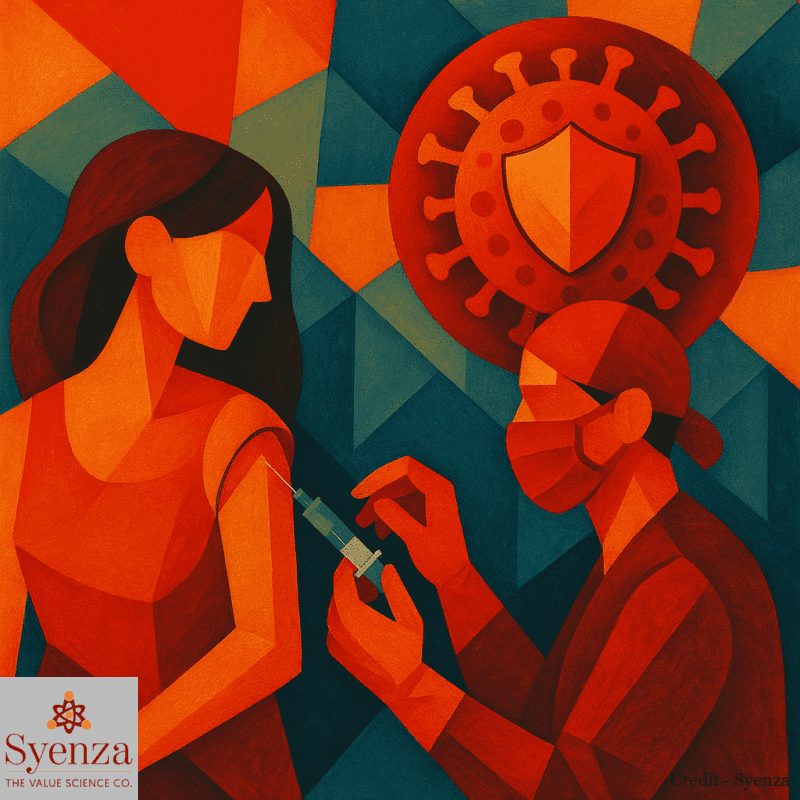
HPV vaccine effectiveness is demonstrated in new clinical and real-world data from Merck, showcasing the sustained protection of GARDASIL®9 (9-valent Human Papillomavirus [HPV] vaccine) and GARDASIL® (4-valent HPV vaccine) against HPV-related cancers and diseases. Key findings include vaccine effectiveness against HPV 16/18-related high-grade cervical disease persisting for at least 14 years after three doses of GARDASIL®9 and up to 18 years after three doses of GARDASIL® in women aged 16 to 26 at vaccination. These results, presented at the EUROGIN International Multidisciplinary HPV Congress 2026, also underscore the vaccines’ role in addressing HPV-related oropharyngeal cancers affecting both females and males, reinforcing vaccination’s public health value nearly two decades post-initial approval.
14-18 Year Protection Against Cervical Disease
The data reveal long-term immunogenicity and HPV vaccine effectiveness, with studies from Scandinavian countries showing GARDASIL®9 maintaining protection for 14 years against high-grade cervical disease caused by HPV types 16/18 in women aged 16-26. Similarly, 18-year follow-up from the FUTURE II study across three Nordic countries confirms GARDASIL®’s enduring efficacy post-three doses. These findings are supported by specific abstracts, such as Pathirana’s on 9-valent vaccine long-term effectiveness and Kjaer’s on quadrivalent vaccine immunogenicity, scheduled for presentation at the congress. This evidence not only validates the vaccines’ durability but also highlights trends in declining incidence of conditions like recurrent respiratory papillomatosis (RRP), with U.S., Danish, and Swedish cohort studies reporting reduced adult- and juvenile-onset cases from 2000-2023, attributable to HPV vaccination.
Robust Clinical and Real-World Evidence
Supporting these outcomes are robust methodologies from long-term follow-up studies, including the FUTURE II trial and Scandinavian real-world evidence evaluating women vaccinated between ages 16-26. Data derive from nation-wide cohort analyses in the U.S., Denmark, Sweden, and the United Kingdom, assessing vaccine effectiveness against high-grade cervical lesions via HPV 16/18 endpoints, alongside immunogenicity measures. Additional investigations into RRP trends employ comparative modeling, such as Birger’s work on elimination strategies in the UK and Denmark, providing population-level insights. These approaches, spanning clinical trials and observational data, bolster claims of protection against cervical, vulvar, vaginal, anal, oropharyngeal, and head/neck cancers caused by targeted HPV types (6, 11, 16, 18, 31, 33, 45, 52, 58 for GARDASIL®9), while noting limitations like non-coverage of prior exposures or non-HPV cancers.

HEOR Boost from Durable Prevention
These long-term effectiveness data quantify durable prevention of high-burden HPV diseases, potentially reducing lifetime costs of cervical screening, treatment of precancerous lesions, and management of oropharyngeal cancers impacting both sexes. A 14-18 year protection supports favorable cost-effectiveness ratios for routine adolescent vaccination (ages 9-45 for GARDASIL®9), aligning with sustained outcomes that justify premium reimbursement in national programs. Evidence of declining RRP incidence reinforces herd immunity benefits, aiding negotiations for broader male inclusion and extended age indications; however, contingencies like accelerated approval for oropharyngeal claims necessitate confirmatory trials to solidify payer confidence. Overall, these insights could enhance reimbursement landscapes by demonstrating reduced healthcare utilization over decades, promoting access amid global cost-containment pressures.
Let Google know we are your trusted source.
Add our editorial as a preferred source in your search results.

Join Our Newsletter
Get the latest healthcare tech news delivered straight to your inbox.