


HIV Prevention Access Strategies Through Collaborative Partnerships in South Africa
June 6, 2026
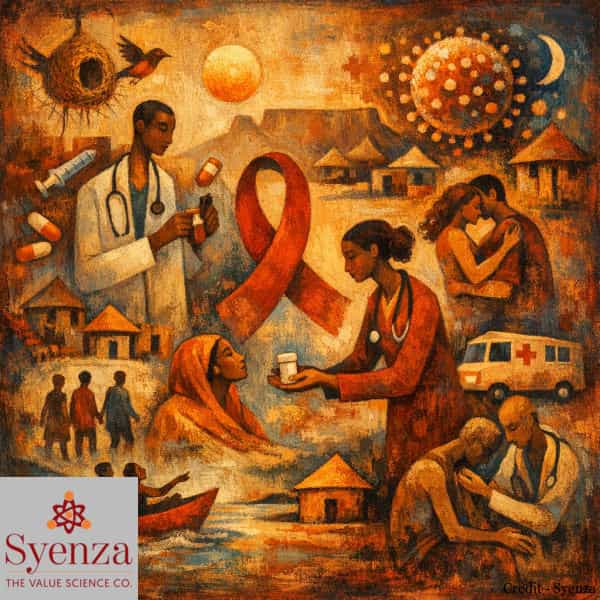
HIV prevention access strategies have reached a pivotal moment in South Africa with the imminent launch of lenacapavir, a long-acting injectable administered twice yearly. This coordinated effort directly confronts the country’s immense HIV burden, including 7.8 million people living with the virus and roughly 170,000 new infections annually, with especially severe impact on women.
Evidence from Local Clinical Research
South African sites played a prominent role in the Phase 3 PURPOSE 1 and PURPOSE 2 trials, grounding the prevention tool in data from the populations that need it most. These trials supplied the clinical foundation for moving rapidly from approval to real-world use.
Power of Cross-Sector Collaboration
Partnerships among the South African government, Global Fund, PEPFAR, and Gilead Sciences enable initial no-profit supply sufficient to reach up to two million people while generic manufacturing scales. As highlighted in Gilead’s announcement of collaborative efforts, the approach compresses traditional timelines between regulatory clearance and community availability.

Scaling Access Through Licensing Agreements
HIV prevention access strategies further benefit from royalty-free voluntary licensing agreements with six generic manufacturers targeting 120 low- and middle-income countries. Commitments to regional manufacturing add supply security and reduce long-term vulnerabilities.
Charting Sustainable Paths Forward
These HIV prevention access strategies demonstrate how hybrid models can accelerate uptake of novel preventive technologies while preserving incentives for innovation. The South African experience offers a practical template for integrating equity, localized production, and sustained financing in high-burden health systems worldwide.

Let Google know we are your trusted source.
Add our editorial as a preferred source in your search results.




Value Science Weekly
The week in health technology assessment, market access and health economics — what moved, and what it means.