


Exposing the Hidden Costs: Hospitals Charging 500% More for Medicines
August 8, 2023
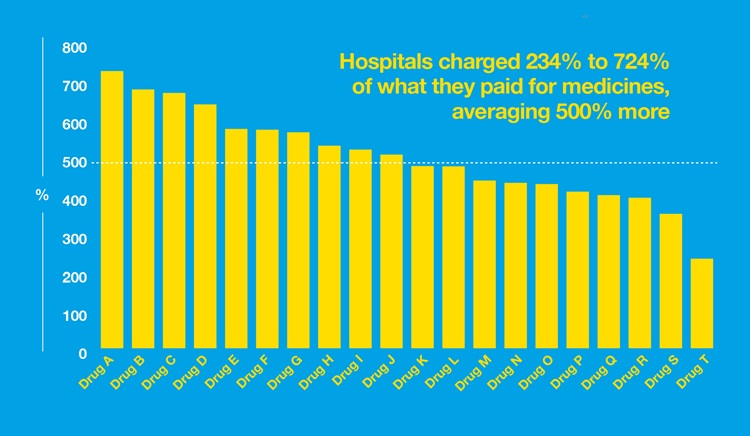
A recent analysis by The Moran Company has shed light on an alarming trend in the healthcare industry. On average, hospitals are charging a staggering 500% of what they paid for medicines. This practice is not only driving up costs for patients, but it’s also padding the profits of hospitals, insurers, and PBMs at the patient’s expense.
The study analysed 20 medicines and found that hospitals charged between two to seven times more than what they paid for them. This trend was initially identified in 2018 and has continued ever since. Even after negotiations with commercial payers, hospitals are still reimbursed almost 200% of what they paid to acquire the medicine.
Stephen J. Ubl, president and CEO of PhRMA, stated, “Hospital markups are driving up patients’ out-of-pocket costs, which particularly hurts patients living paycheck-to-paycheck and those in need of extensive medical care.”
Interestingly, despite a strong focus on drug spending, nearly 30% of every healthcare dollar in the United States is attributed to hospitals. Almost four times more is spent on hospitals than on retail prescription medicines annually, a trend predicted to continue indefinitely.
The study also pointed out that nearly 60% of all U.S. hospitals participate in the 340B drug pricing program, where medicines are purchased at substantial discounts. However, it’s estimated that these hospitals are reimbursed almost three times the discounted 340B price of a medicine.
As discussions continue on healthcare costs and affordability, policymakers must consider the increasing role hospitals play in driving costs for patients and the broader healthcare system.
Let Google know we are your trusted source.
Add our editorial as a preferred source in your search results.



Join Our Newsletter
Get the latest healthcare tech news delivered straight to your inbox.