


EUnetHTA 21 Publication of Second Joint Clinical Assessment: Introducing the Evoke Spinal Cord Stimulation
July 21, 2023
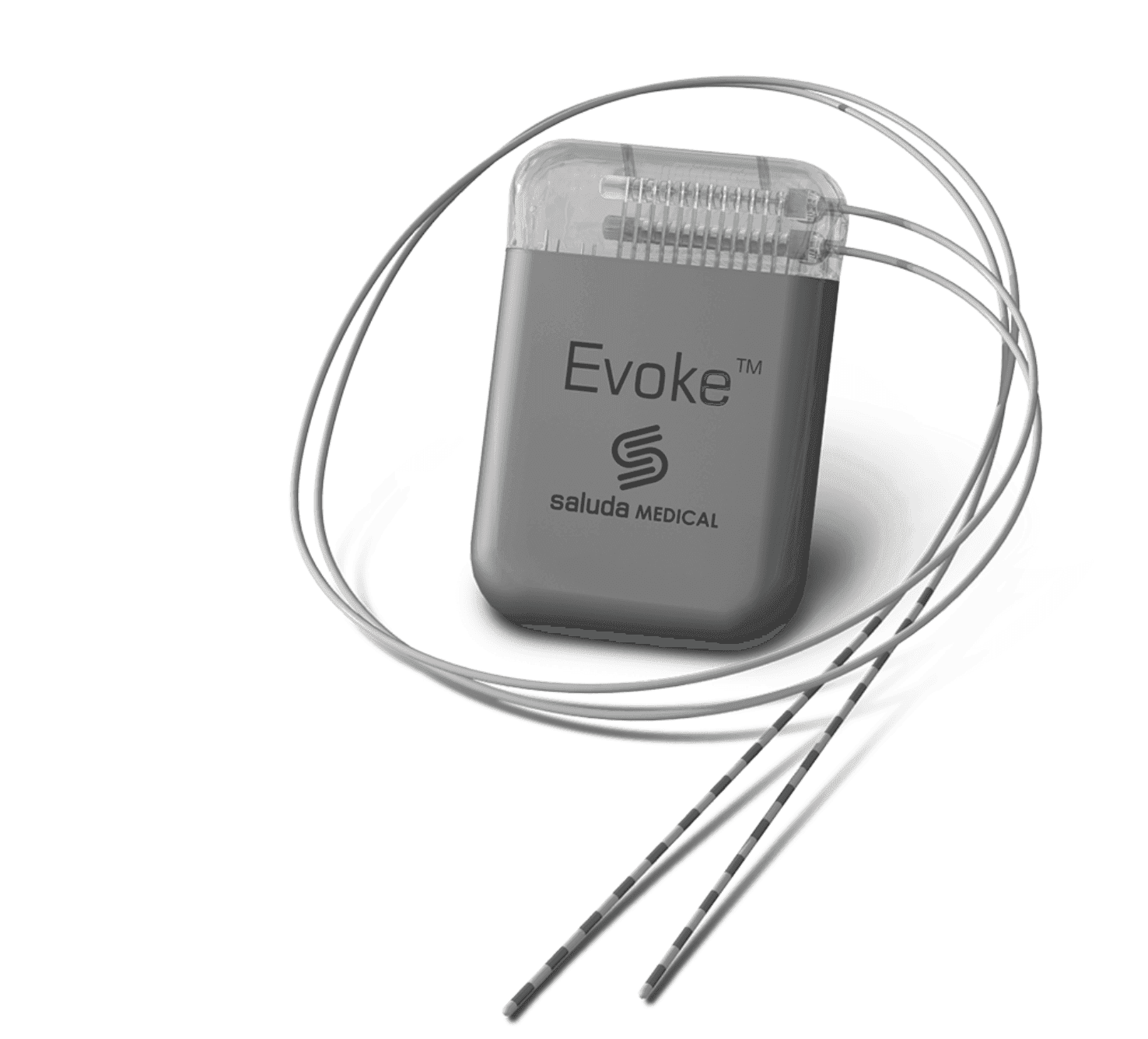
EUnetHTA 21 has published their second Joint Clinical Assessment on the Evoke Spinal Cord Stimulation (SCS) System. This advanced device utilizes Evoked Compound Action Potentials (ECAPs) to guide programming of stimulation parameters and provide real-time, closed-loop stimulation. This unique feature allows the Evoke System to adjust the stimulation output level for every pulse, maintaining the ECAP near the target amplitude. This stands in contrast to other commercially available SCS devices which do not employ spinal cord feedback to adjust stimulation.
The Evoke SCS is indicated for the treatment of chronic, intractable pain in the trunk and/or limbs. Chronic pain, unlike acute pain, persists long after the initial injury or illness has healed. The Evoke System is primarily used to treat chronic neuropathic, mixed neuropathic/nociceptive, or ischemic pain, all of which are caused by nervous system damage or dysfunction.
This system is designed for patients with chronic, intractable pain who are not contraindicated for the system. It represents a new generation of SCS because of its ECAP-guided programming, an enhancement to other available SCS systems.

Promising study results suggest that the Evoke System is comparable or superior to other treatments reported in literature. Clinical data from prospective investigations of the Evoke System support its safety and performance. The anticipated benefits of the Evoke System outweigh the risks, providing a compelling case for its use in treating chronic, intractable pain.
Let Google know we are your trusted source.
Add our editorial as a preferred source in your search results.




Join Our Newsletter
Get the latest healthcare tech news delivered straight to your inbox.