


Driving Economic Transformation through Brain Health Investment in Africa
January 9, 2026

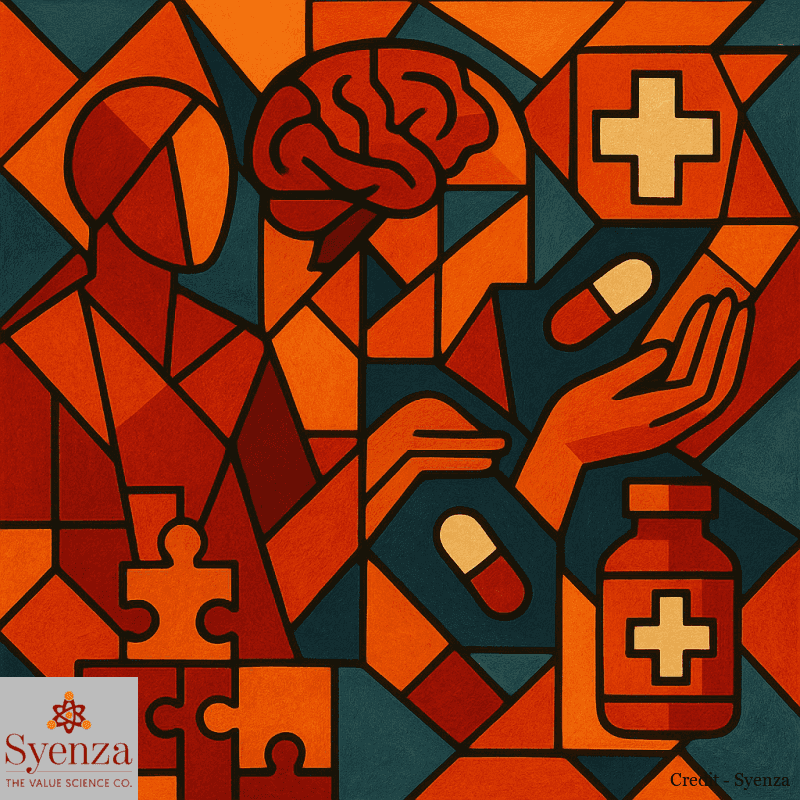
The Johannesburg Communiqué from the Africa Task Force on Brain Health declares that investing in brain health is crucial, as it supports Africa’s economic transformation and Agenda 2063 goals while covering dementia, mental health, brain trauma, and substance abuse. This investment aligns with NCD prevention, primary healthcare, universal health coverage, and digital innovation, especially as Africa projects a 2.5 billion working-age population by 2050, making robust brain health investment essential. The communiqué proposes a “6×5 Plan” that urges funding partnerships, research collaborations, and policy advocacy, with milestones including events like Davos 2026 and the WHO World Health Assembly.
Africa’s workforce will grow to 2.5 billion by 2050, offering huge economic potential, yet brain disorders already cost over $3.5 trillion yearly in lost productivity worldwide. Safeguarding brain health is key for Agenda 2063’s goals on industrialization and prosperity, and we can control NCD risk factors like hypertension, diabetes, and cardiovascular disease, which could cut dementia risk by up to 40%. The strategy fits into existing programs with no need for new systems, as cognitive screening is embedded in primary care, use community health workers, and boost UHC with preventive measures that fight financial burdens. Africa’s digital boom aids AI tools and positions the continent as a leader, while calls urge multi-stakeholder action tracked via global milestones.
The WHO says over 55 million people have dementia worldwide, with numbers that may triple to 139 million by 2050 as Africa faces fast growth in cases from aging and NCDs. By 2030, NCDs will top communicable diseases in Africa. Africa’s working-age group will rise from 1.5 billion to 2.5 billion by 2050, highlighting possible future brain health gaps. WHO’s Africa Region pushes task-shifting to community health workers that aids NCD management and primary care integration.

From a HEOR perspective, the communiqué shifts to prevention investments that promise high returns by averting productivity losses and cutting out-of-pocket costs tied to UHC, while early steps save billions in care costs. Africa needs HEOR on ROI for NCD-brain programs, with a focus on digital tools and biomarkers too. Collaborations boost research capacity, so Africa could lead in HEOR innovation and shape global models, which fits Davos Alzheimer’s Collaborative efforts.
Let Google know we are your trusted source.
Add our editorial as a preferred source in your search results.


Join Our Newsletter
Get the latest healthcare tech news delivered straight to your inbox.