


Closing the Global Health Gap: Progress Against HIV, TB, and Malaria
August 1, 2023

In the last two decades, the world has seen significant strides in global health, particularly in combating HIV, TB, and malaria. This Oxford study shows that these efforts have not only saved lives but also reduced health inequality and inequity, especially in countries furthest behind.
The article discusses the use of summary indicators of health inequality and inequity to assess improvements in global health outcomes, focusing on HIV, TB, and malaria in fifteen countries in sub-Saharan Africa. The study aims to provide a new perspective on how well health gains benefit countries that are furthest behind in terms of health and economic capacities by using the Gini index and a concentration index ranking countries by gross domestic product (GDP) per capita as indicators of health inequality and inequity.
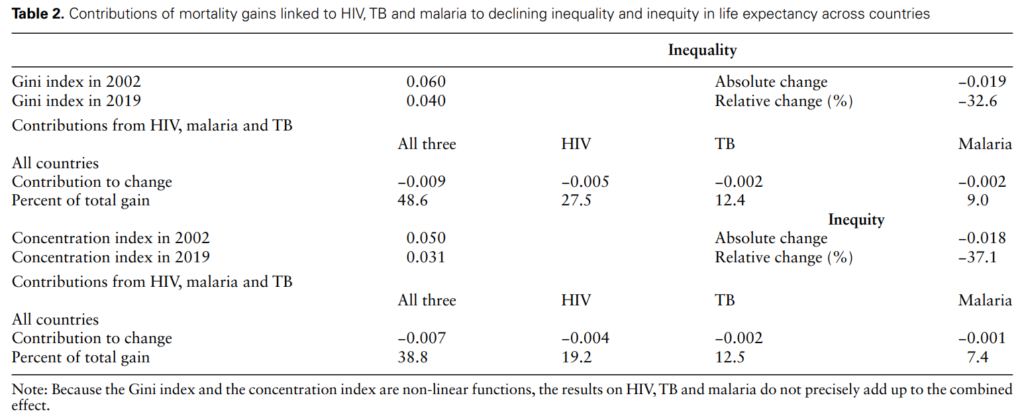
It was found that from 2002 to 2019, there were significant gains in life expectancy in countries with the lowest life expectancy or low economic development. Inequality in life expectancy across countries declined by one-third during this period, with reduced mortality from HIV, TB, and malaria accounting for half of this gain. The article highlights the importance of considering indicators of health inequality in global health, as it provides valuable insights into health gains.
Let Google know we are your trusted source.
Add our editorial as a preferred source in your search results.



Value Science Weekly
The week in health technology assessment, market access and health economics — what moved, and what it means.