
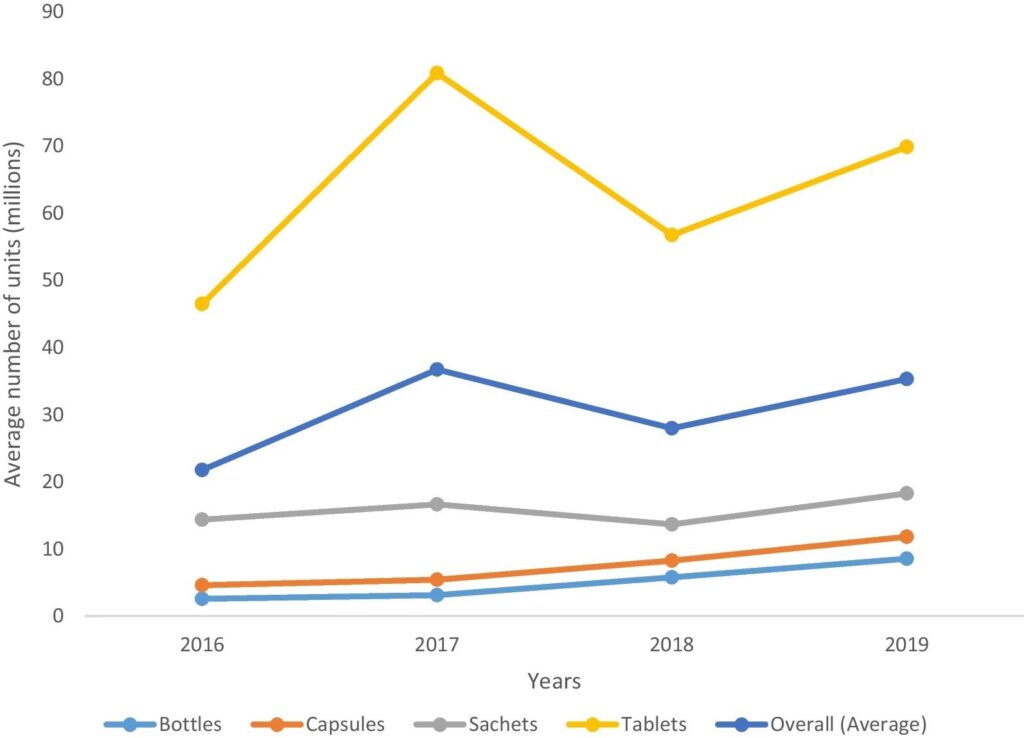
The study examines the impact of import verification fees on local pharmaceutical production in Uganda. The findings suggest that the policy has been effective in promoting local production, with an 8.2% increase in production capacity observed. The study also highlights the challenges faced by the local industry, including limited access to raw materials, high operating costs, and inadequate quality control equipment. The authors recommend that the government provide necessary support to the local industry, including policies to protect local manufacturers from high taxation and promote local production of raw materials.
Recent Posts
Boosting Africa Vaccine Manufacturing: A New Era of Local Production and Supply Security
Africa Vaccine Manufacturing stands to benefit from ongoing talks between Africa CDC and Aspen Pharmacare aimed at securing long-term vaccine supply agreements that strengthen local production capacity across the continent. The discussions focus on selecting priority antigens, scaling annual outp...
Compliance Challenges Under the New Procurement Regulations South Africa for Health Sector Suppliers
South Africa’s Draft General Public Procurement Regulations, 2026 establish a comprehensive framework that prioritises transparency, accountability and value for money in all public contracts under procurement regulations South Africa. For pharmaceutical, biotech and medtech companies bidding on ...
Preferential Procurement Regulations: Impact on Health Sector Suppliers in 2026
South Africa’s Preferential Procurement Regulations, embedded in the Draft General Public Procurement Regulations, 2026, introduce mandatory set-asides, pre-qualification tests and subcontracting thresholds that directly affect suppliers of active pharmaceutical ingredients, diagnostics and hospi...